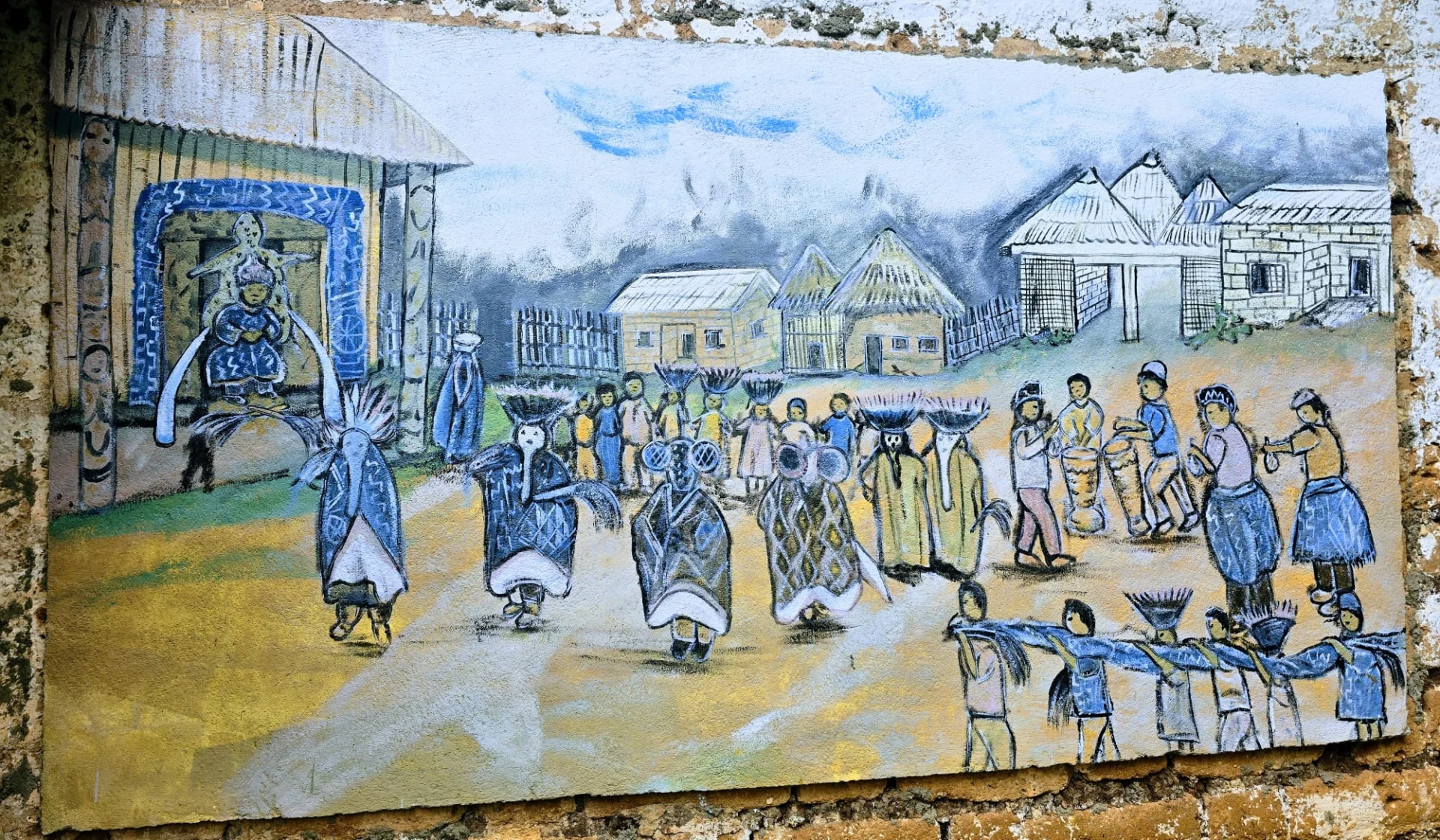
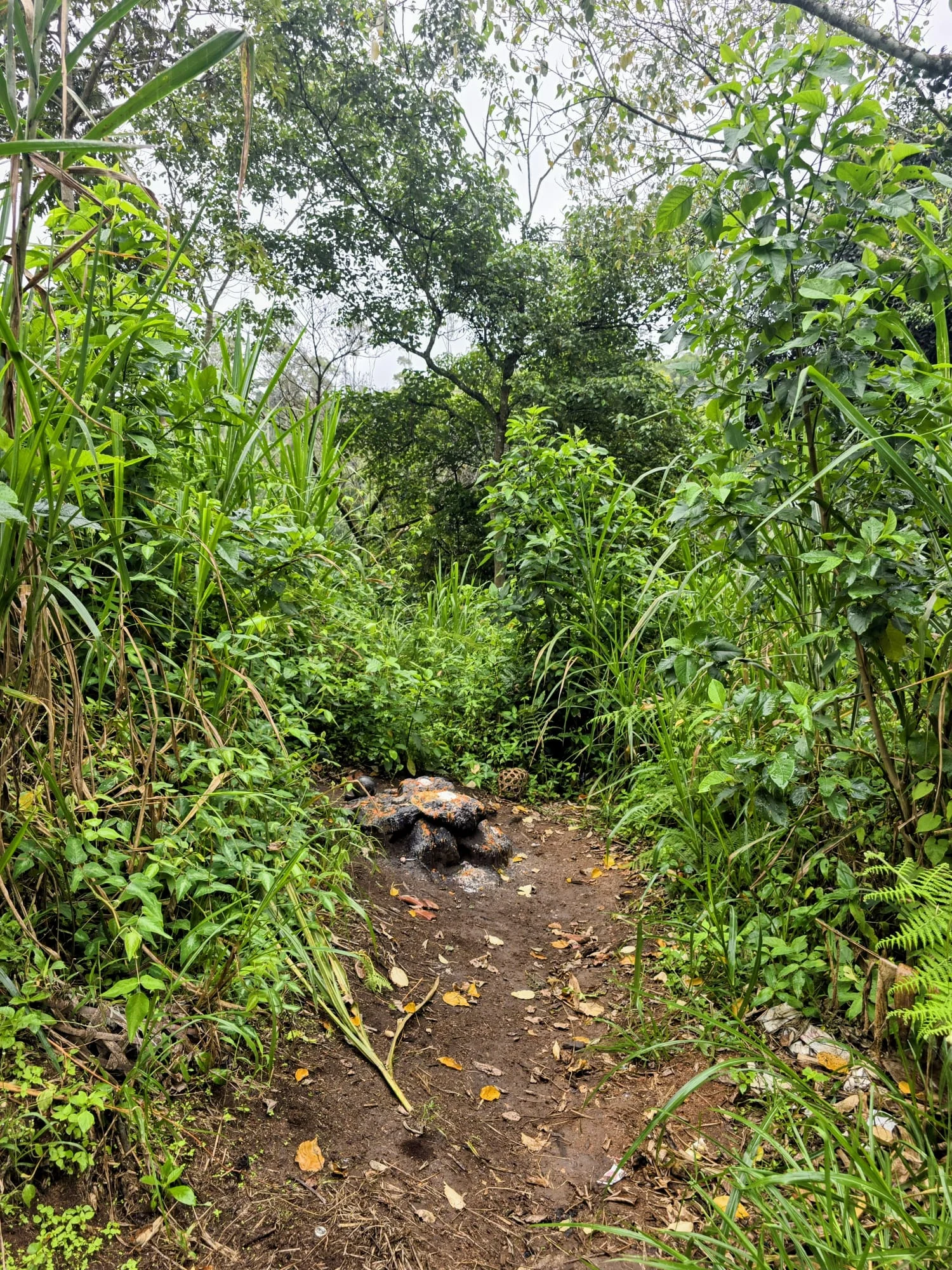
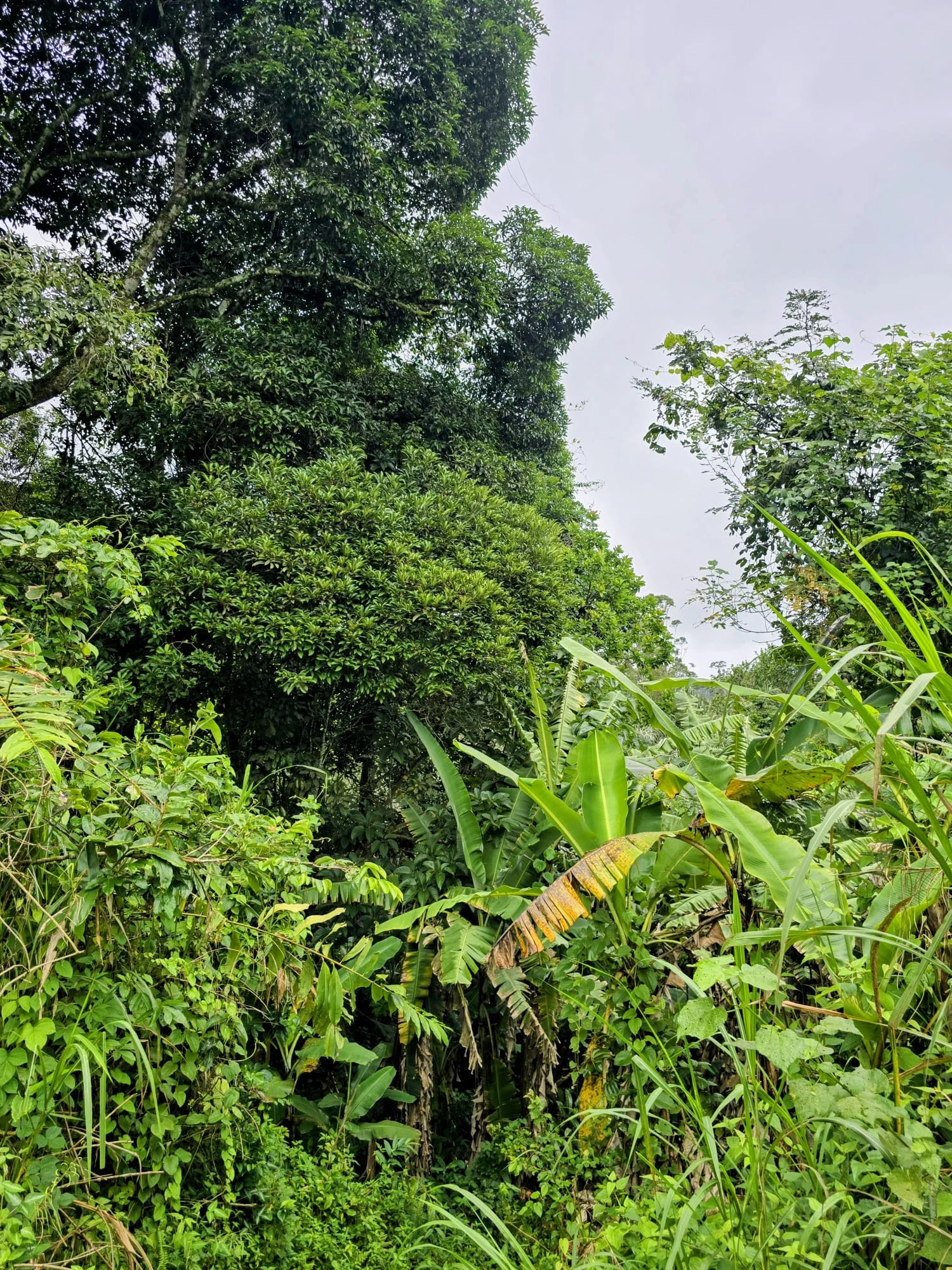
A curse is a punishment inflicted by the ancestors to penalize various breaches of traditional rules and customs. There are two types of curses. The m...
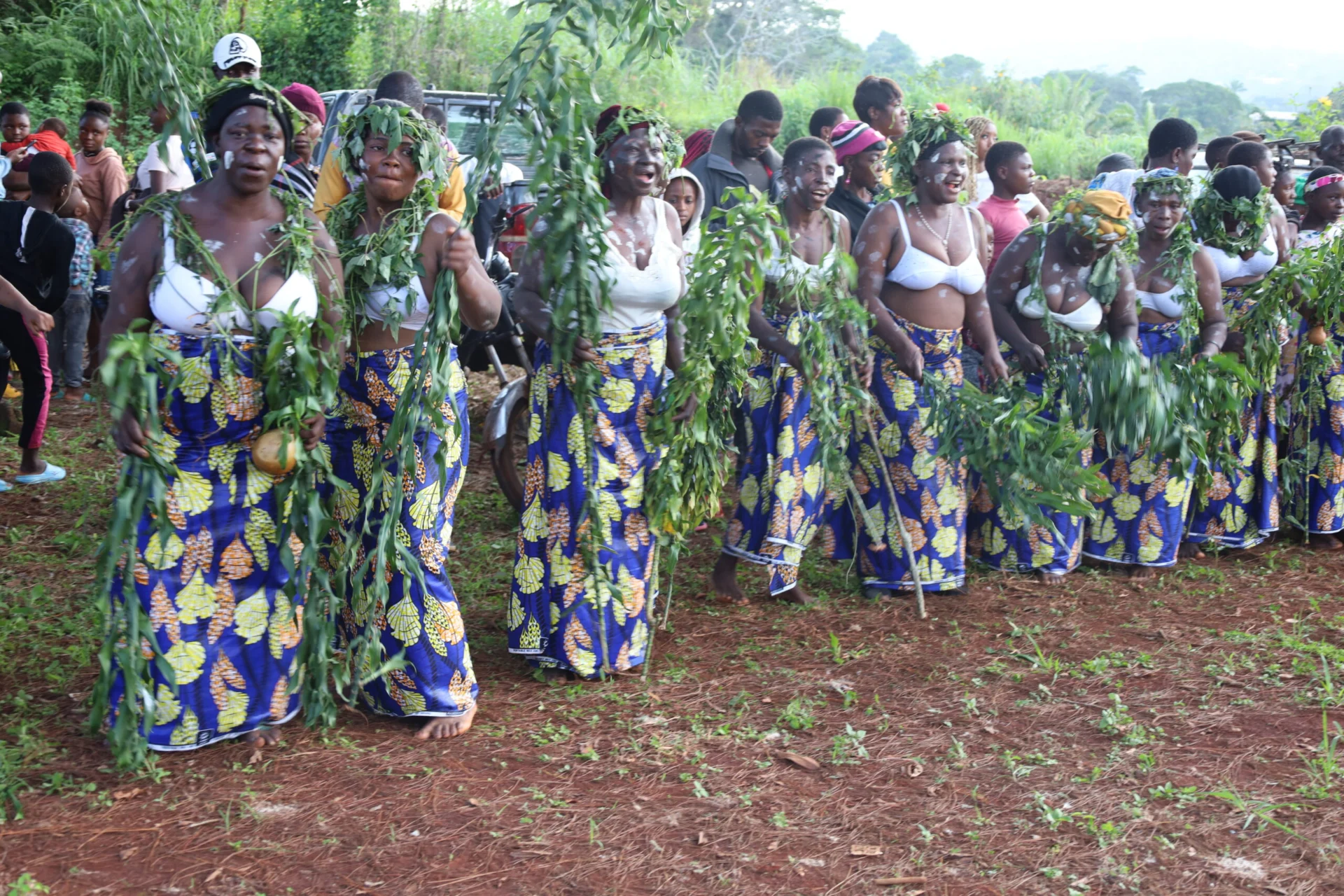
The ultimate ceremony marking the transition from adulthood to wisdom among the Nguemba people. It takes place every nine years and generally involves...
The supreme being of the Grassfields cosmogony. It lives in the afterlife and is master of the visible and invisible worlds.
The words Ndem (emptiness...
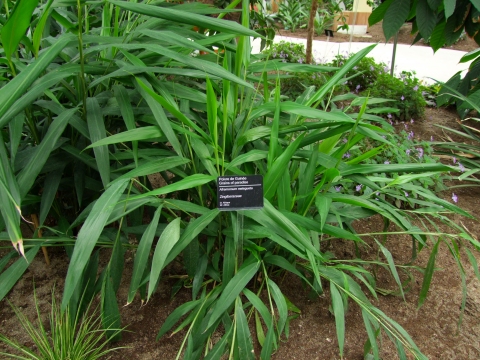
In Bamileke religious beliefs, the ŋdédùm or ŋdidium is one of the plants whose sacredness refers to the myth of origin. It is said to have been given...
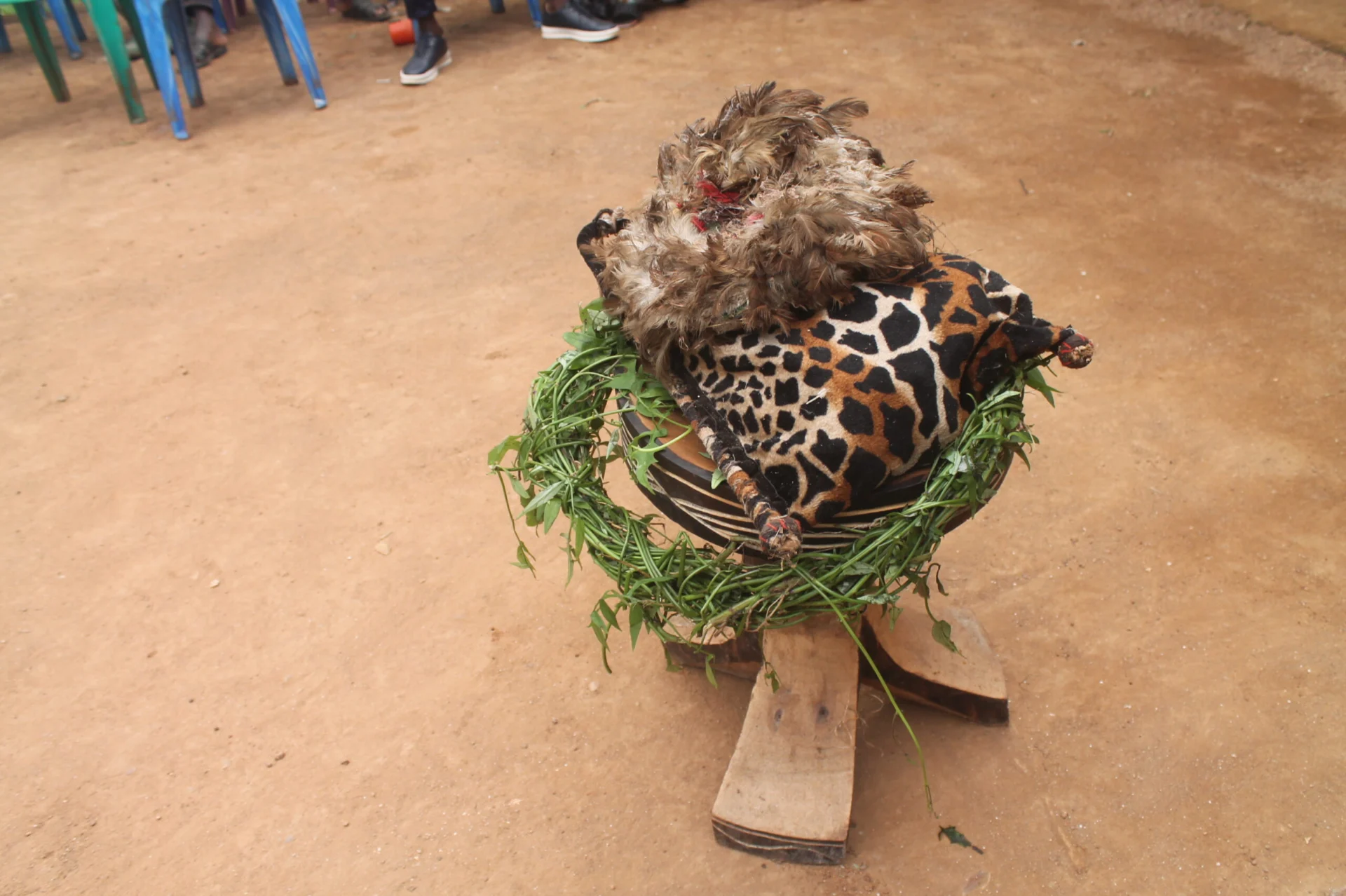
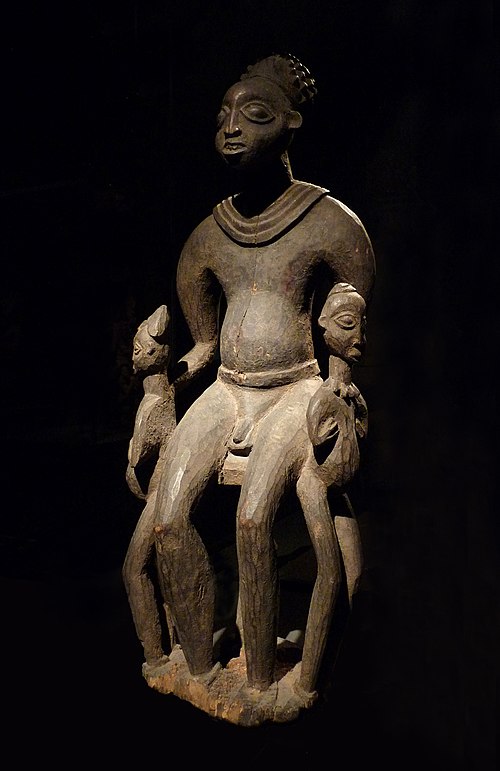
A ceremony in which a man or a woman is officially granted the right to sit on the kwouo, a three-legged chair for mature people and noblemen. This ce...
Also known as Mú Nyĕ (double child) or Pō Sī (children of the earth or of God), Méŋ Lefāk (double child) refers to twins among the Bamiléké people. Th...
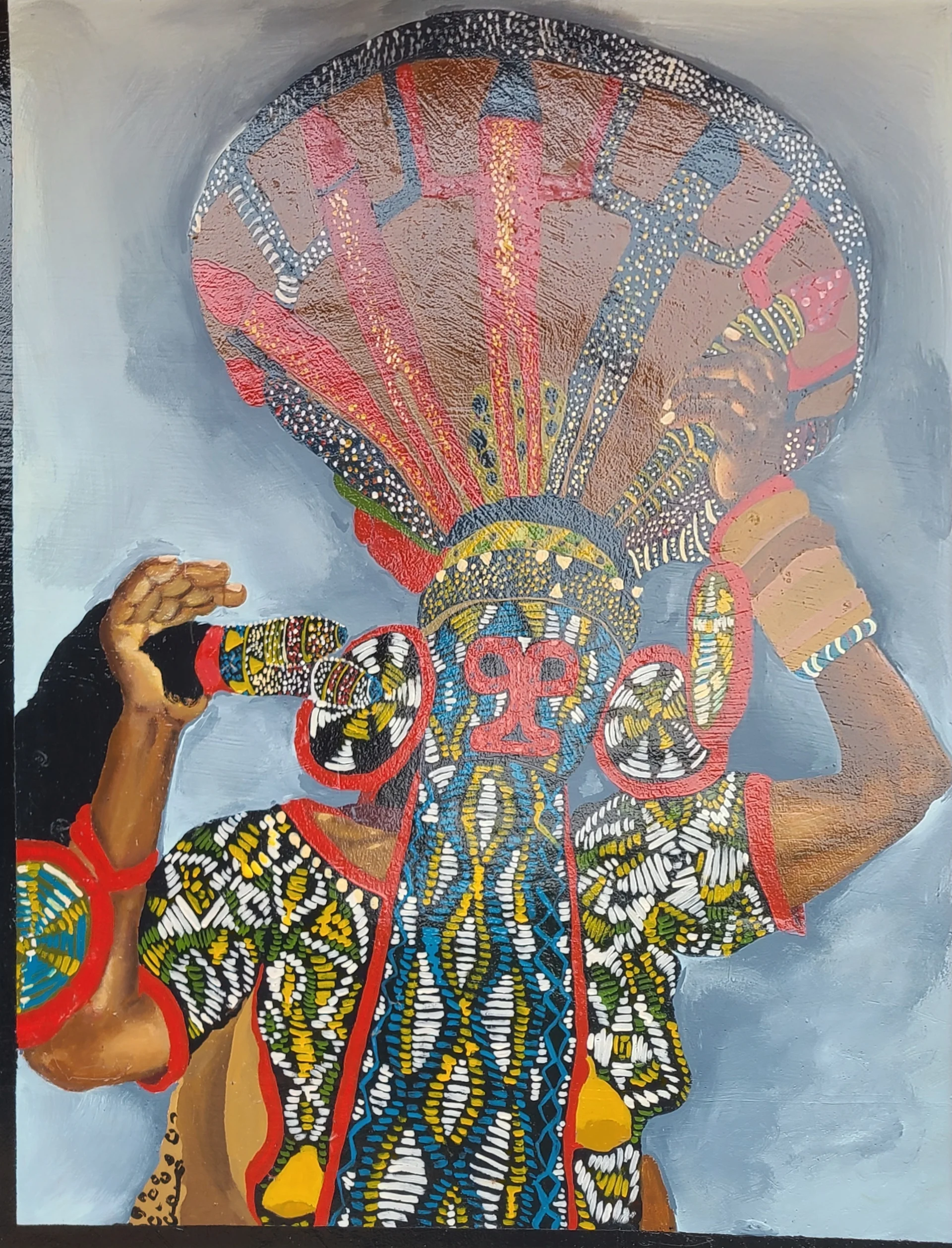
The term Mέŋī Sī, literally defined as mothers of God or of the earth, is a title of nobility. There is a difference between the title Mέŋī and that o...
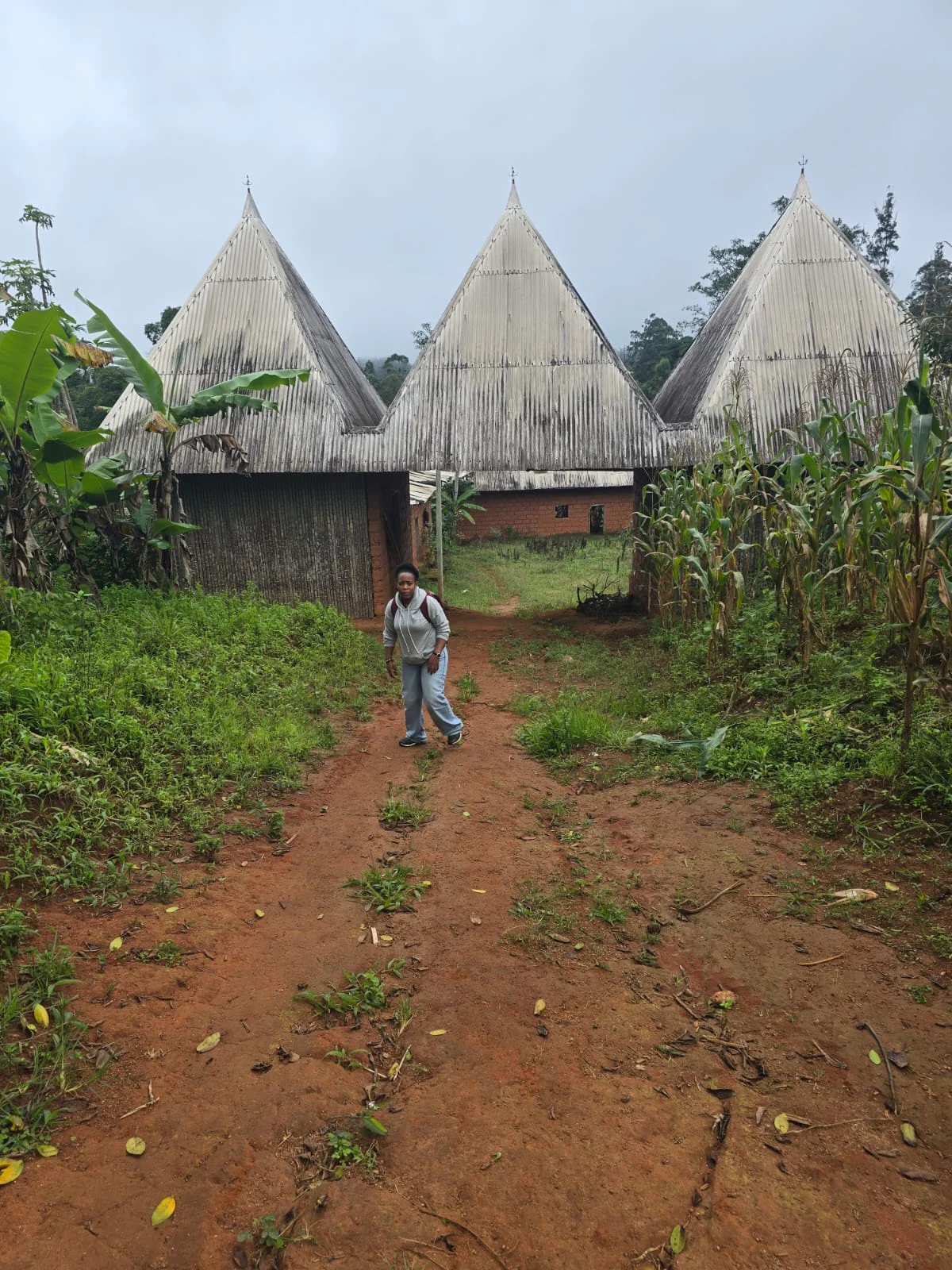
A family estate comprising a meeting place, a paternal house and the women's houses. The compound is the basis of Bamiléké socio-political organizatio...
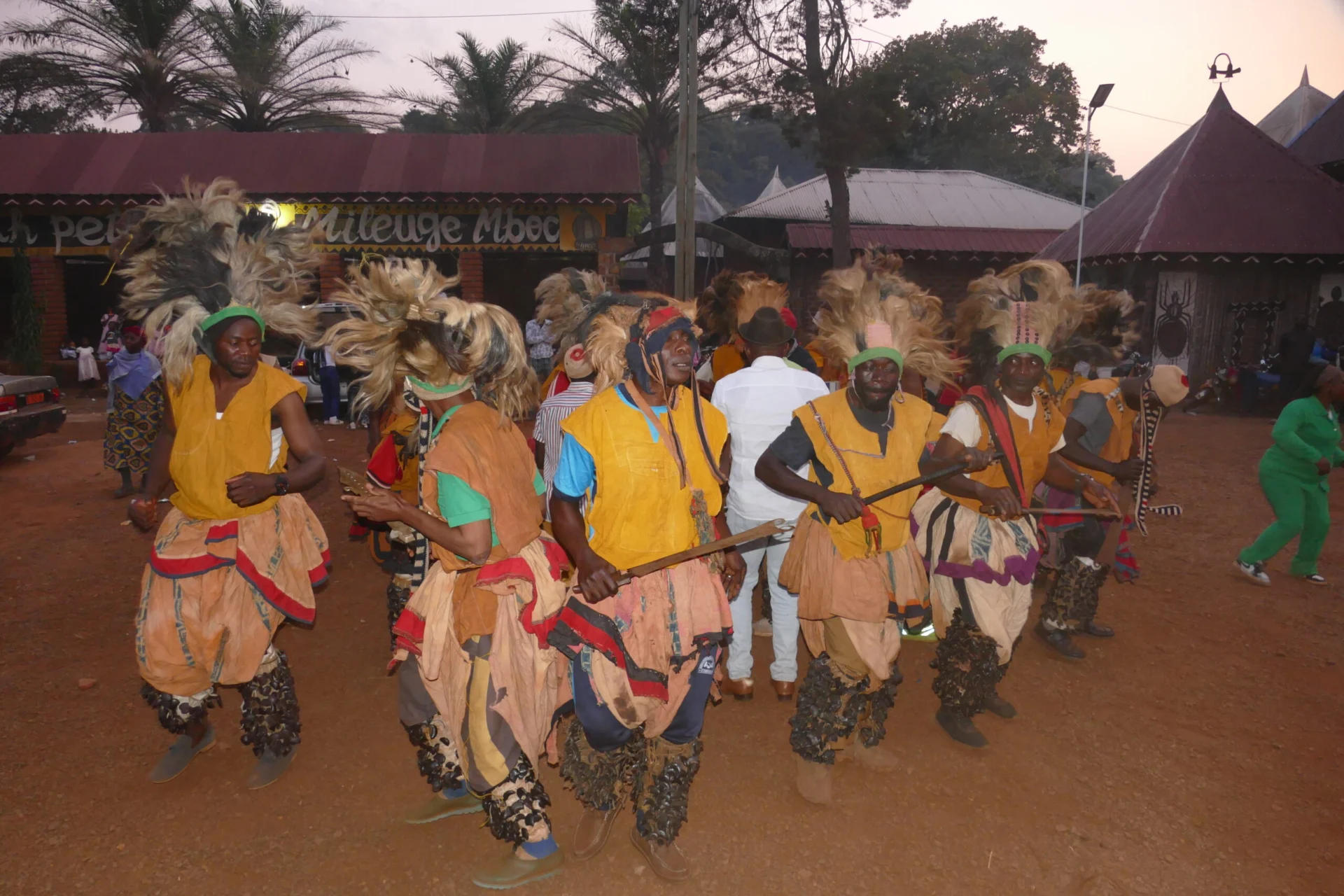
An army of warriors dedicated to protect the Feuh(fœ)/Fôh/Fon/Vū, defend the territorial integrity of a chiefdom (see La’ah (lá’áh) and No’h (nɔ̀’))...
This website uses strictly necessary cookies to function. We would also like to use functional and analytical cookies to improve your experience. You can choose to accept or decline.