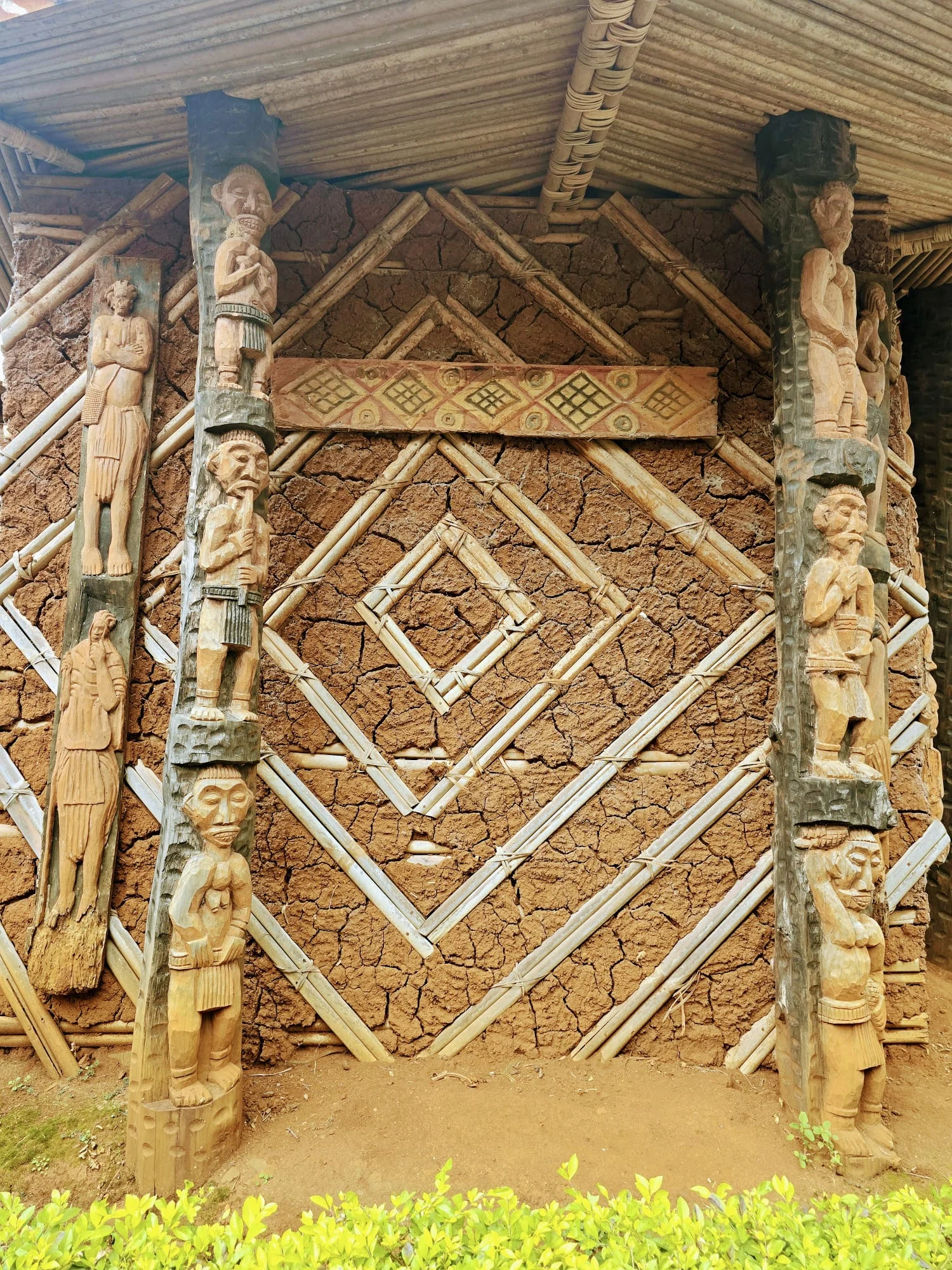
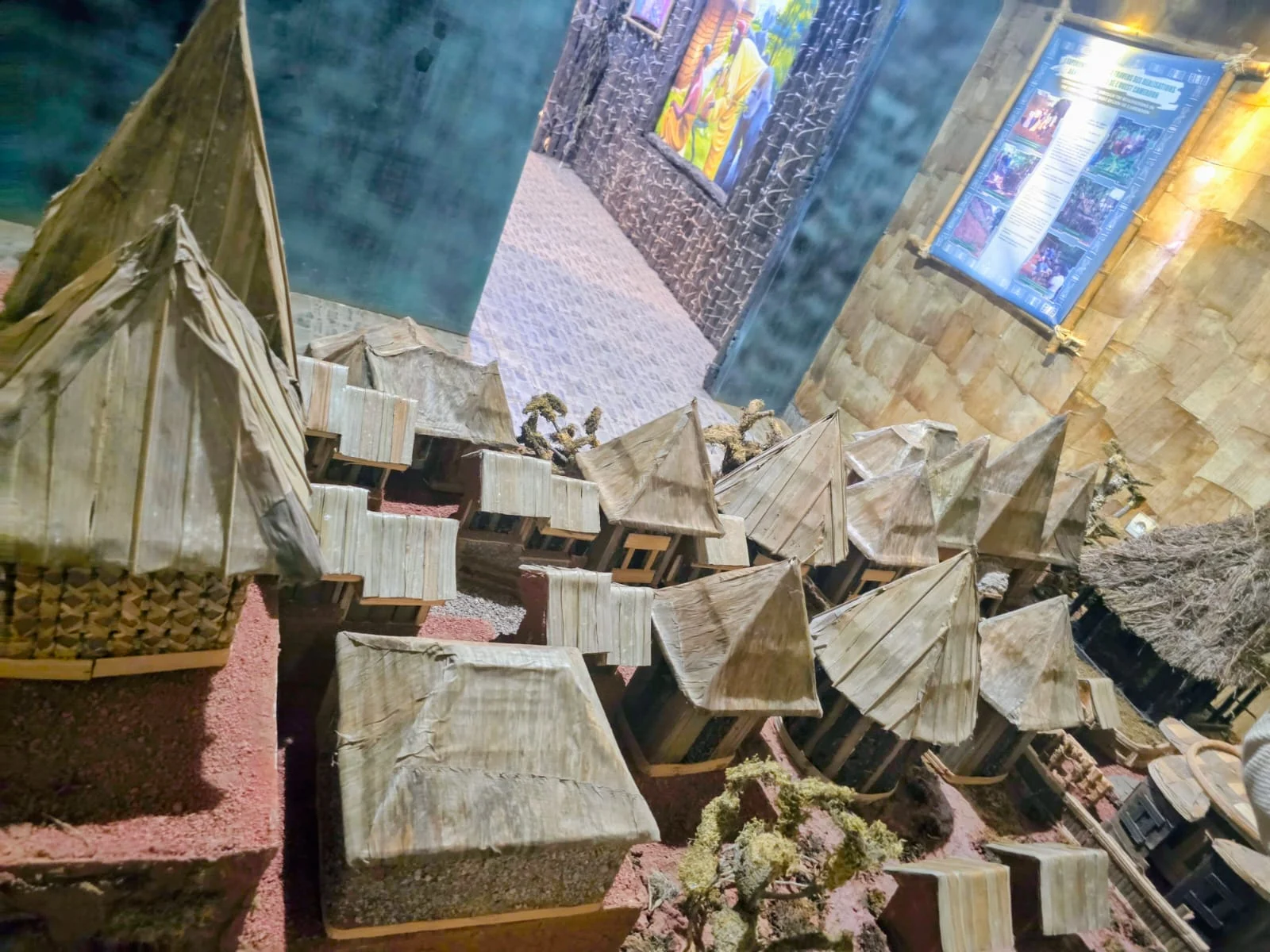
Rectangular in shape, this architectural structure played an essential economic role among the Bamiléké. Its use, however, is less widespread today and, like much traditional architecture, such granaries have almost completely disappeared. In the past, the granary was used to store surplus agricultural produce to guard against famine during the dry season, from November to March. Several types of granary existed at their peak, such as the main granary built of bamboo raffia and installed outside the kitchen, away from any source of humidity, or the drying granary, which was integrated into a kitchen’s architecture. Access was by ladder. The drying granary was sometimes split across two or three levels, with each level containing specific foodstuffs. The highest level contained firewood stored during the dry season to compensate for the lack of dry wood in the rainy season. The lower level was reserved for legumes, meat, and any other foodstuffs requiring short-term preservation.
The granaries as described are the exclusive responsibility of women. Each woman in the concession* is responsible for a plot of land on which she grows staple foods. They are responsible for their own rations, and for maintaining reserves throughout the dry season. Another type of granary is reserved exclusively for men. This is the Ntaŋ*, a storehouse in which objects belonging to the head of the family are kept (Dongmo 1981, 90). The head of the family also keeps food here, which is distributed to women in times of shortage.

The word means hat. There are many different types, from royal headdresses to simple hats, Nkam (ŋkǎm)' hats and headdresses worn by the members of t...
It refers to the offering made to deities during Bamiléké religious ceremonies. The act of making an offering is called ŋgwā' pↄↄ' (throwing the mushr...
Une poutre en bois sur laquelle sont gravées des informations, lesquelles renseignent généralement sur l’importance du lieu, les valeurs ainsi que la ...
It refers to the chiefdom, which is the most important place in the village. The chiefdom has a dual definition. Firstly, it refers to the territorial...
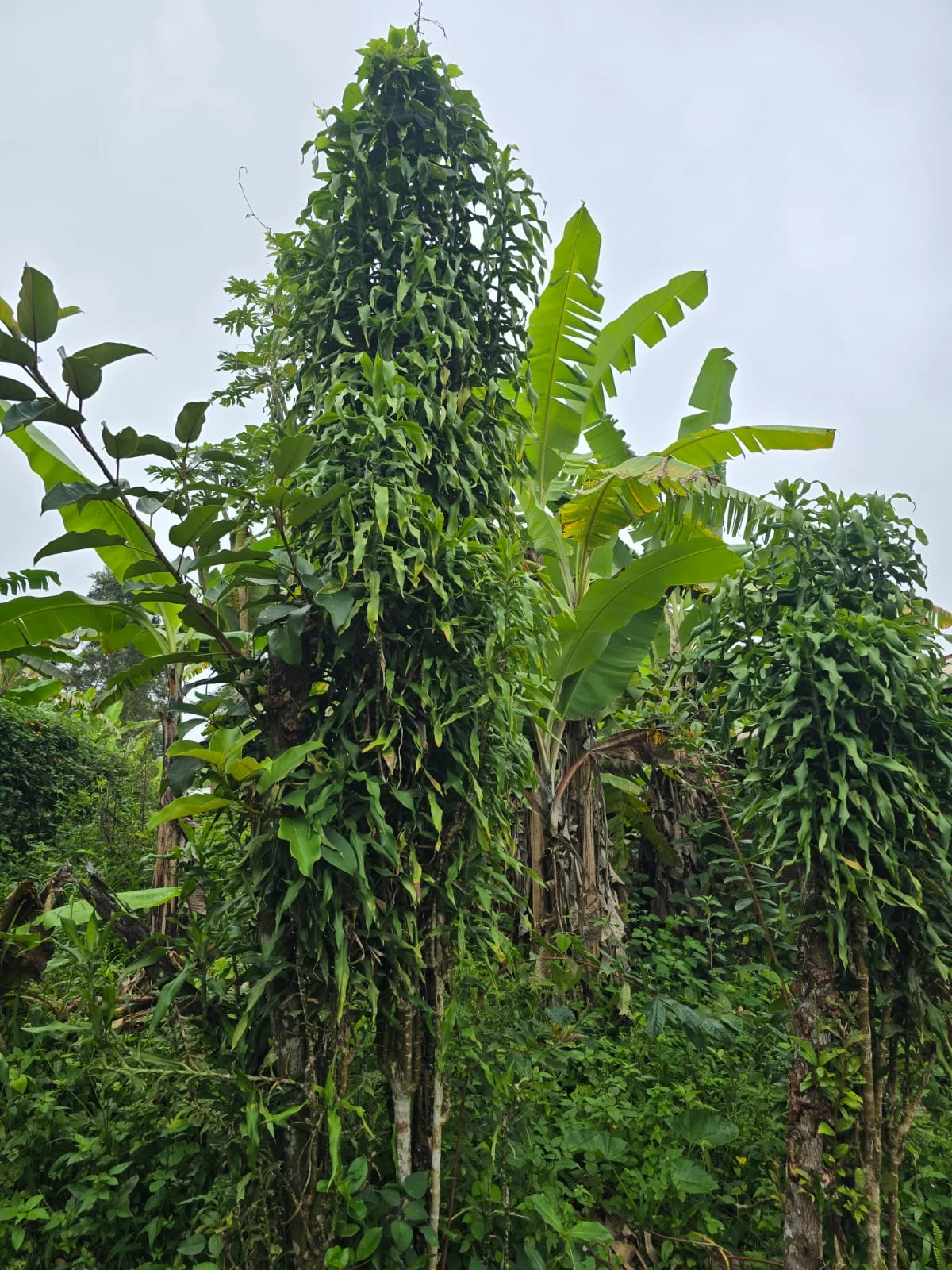
The peace tree is a shrub that can grow up to five meters high. In Bamiléké chiefdoms, it is one of the constituent plants of the bocage*, specific to...
A notable is a person occupying a high rank in a chiefdom (See No’h (nɔ̀’)). A notable acquires his title and rank either by succession or by recognit...
The grouping of people of a certain age category. The gaps between two age groups vary from chiefdom to chiefdom. The gap considered for a generation ...
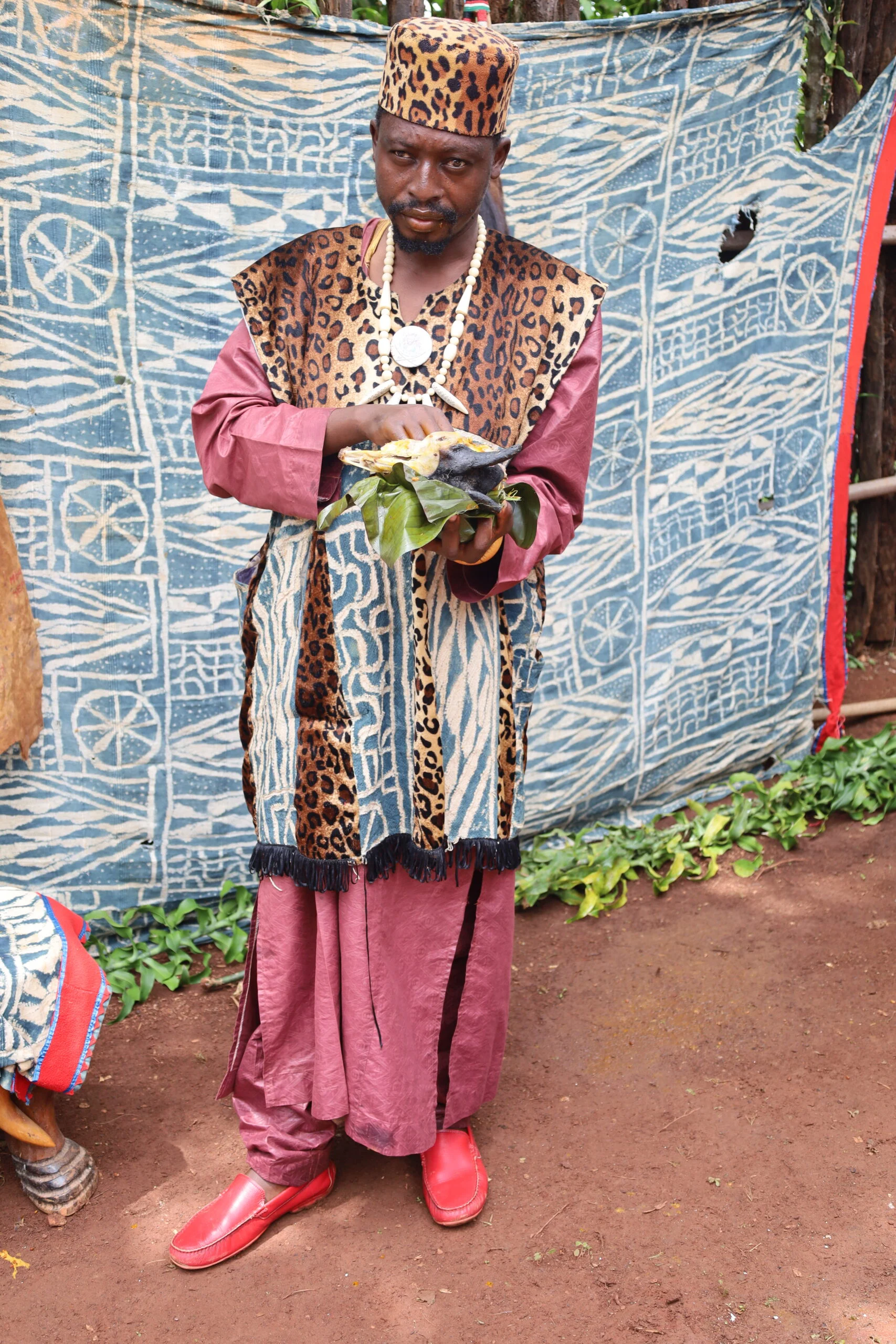
Literally the man of the tarantula, he is a doctor and a diviner. He uses tarantulas or cowrie shells for divination. He also uses plants and sacred w...
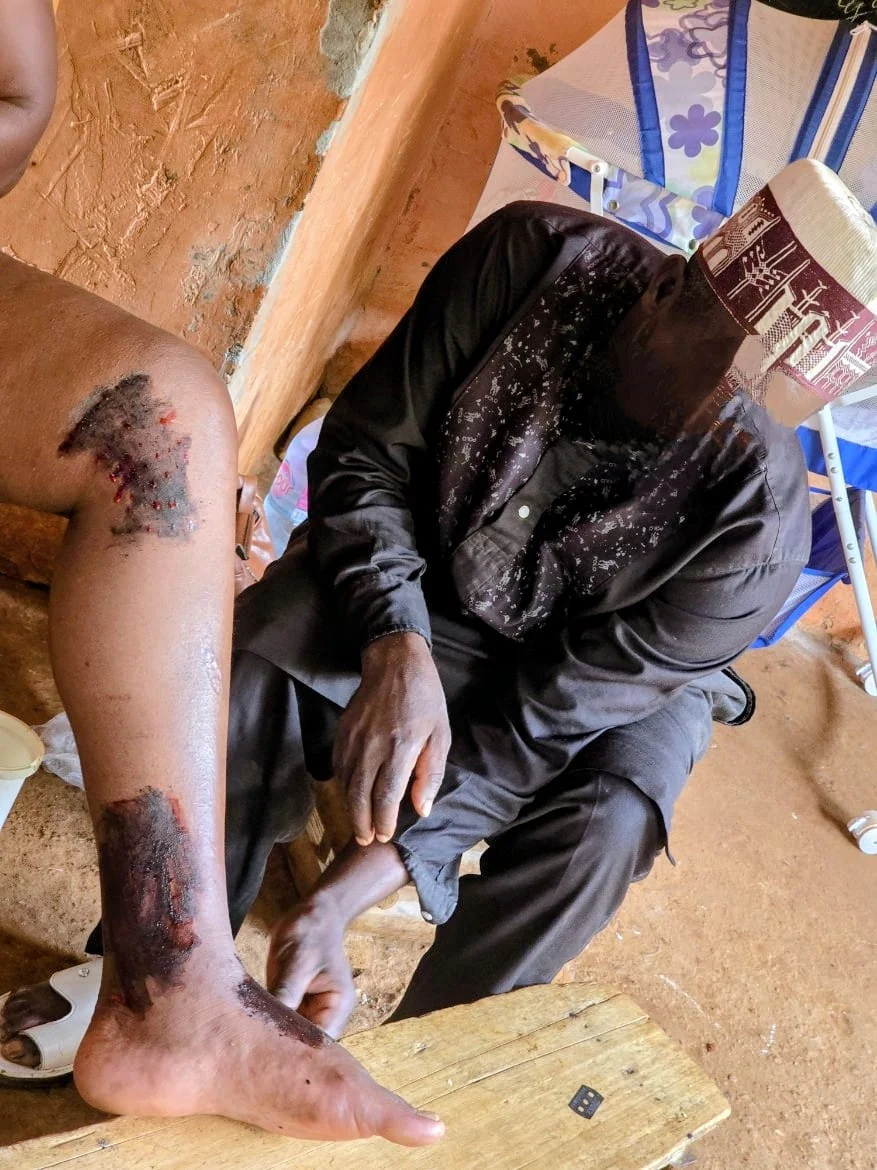
The man of leaves or medicine is the community's chief doctor. He has a thorough knowledge of medicinal plants, but also of anatomy (Notue/Perrois 198...
This website uses strictly necessary cookies to function. We would also like to use functional and analytical cookies to improve your experience. You can choose to accept or decline.