Ndwɛt

Language: Yemba
Also known as: Nelsonia canescens, fam. Acanthaceae

Description

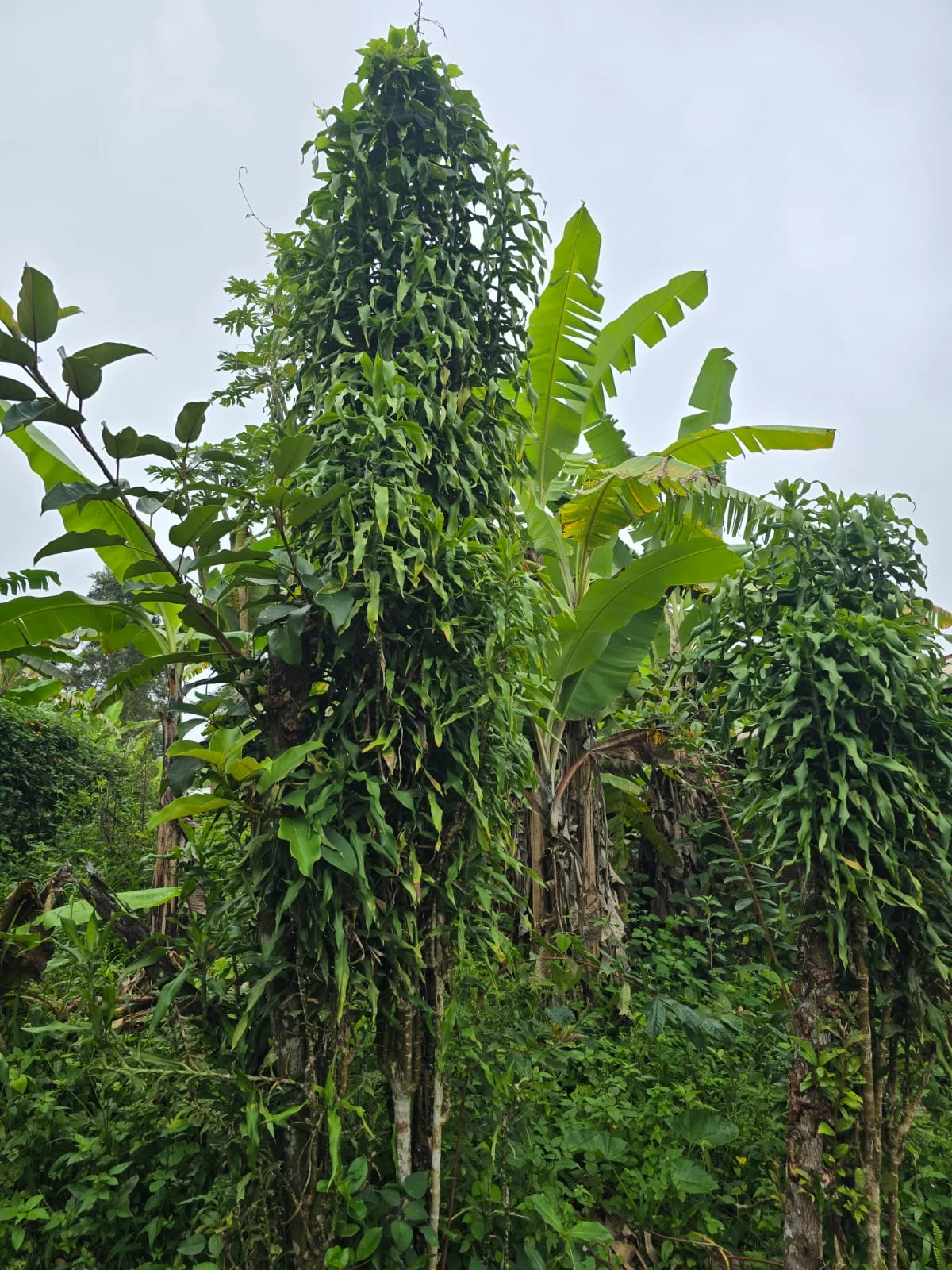
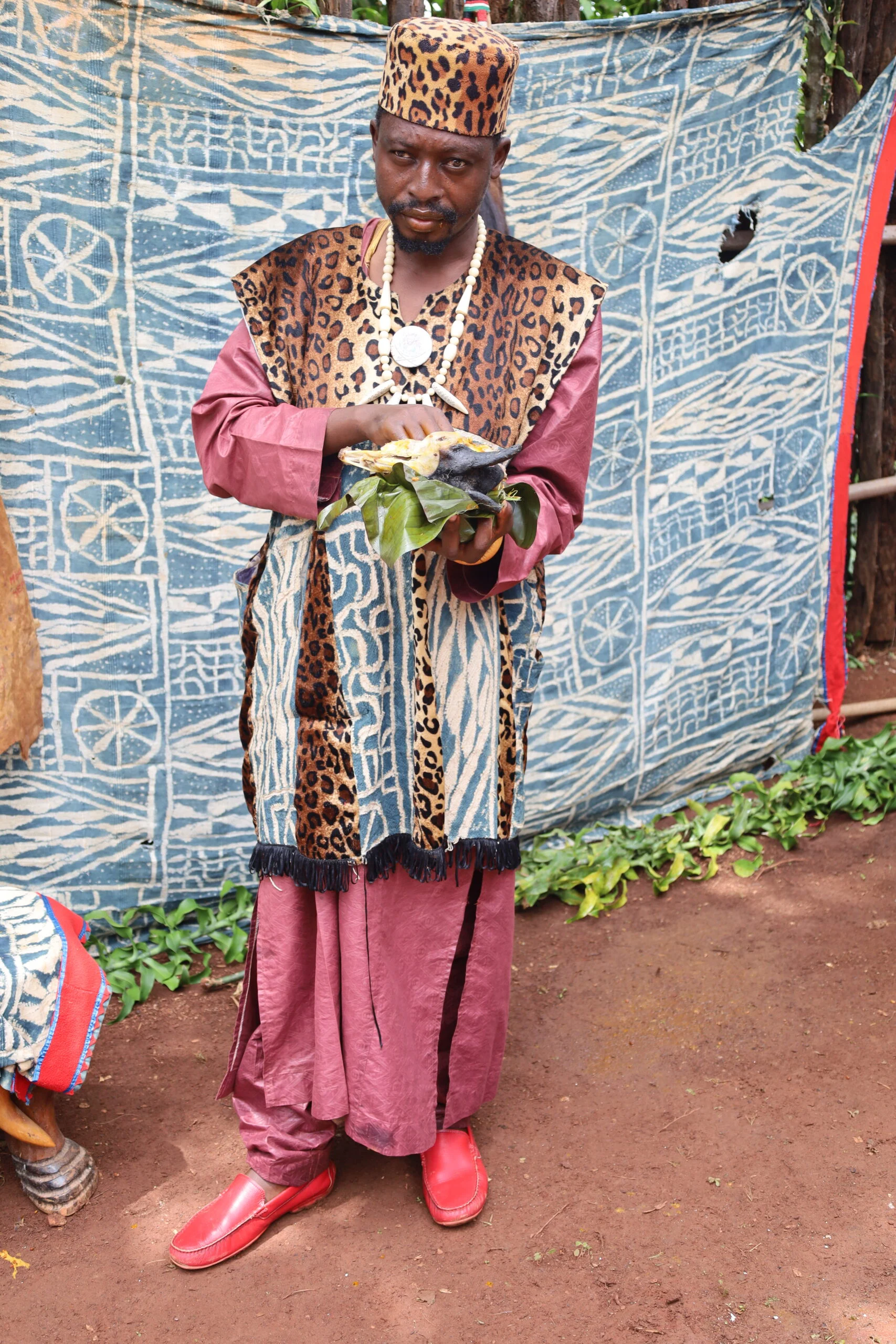
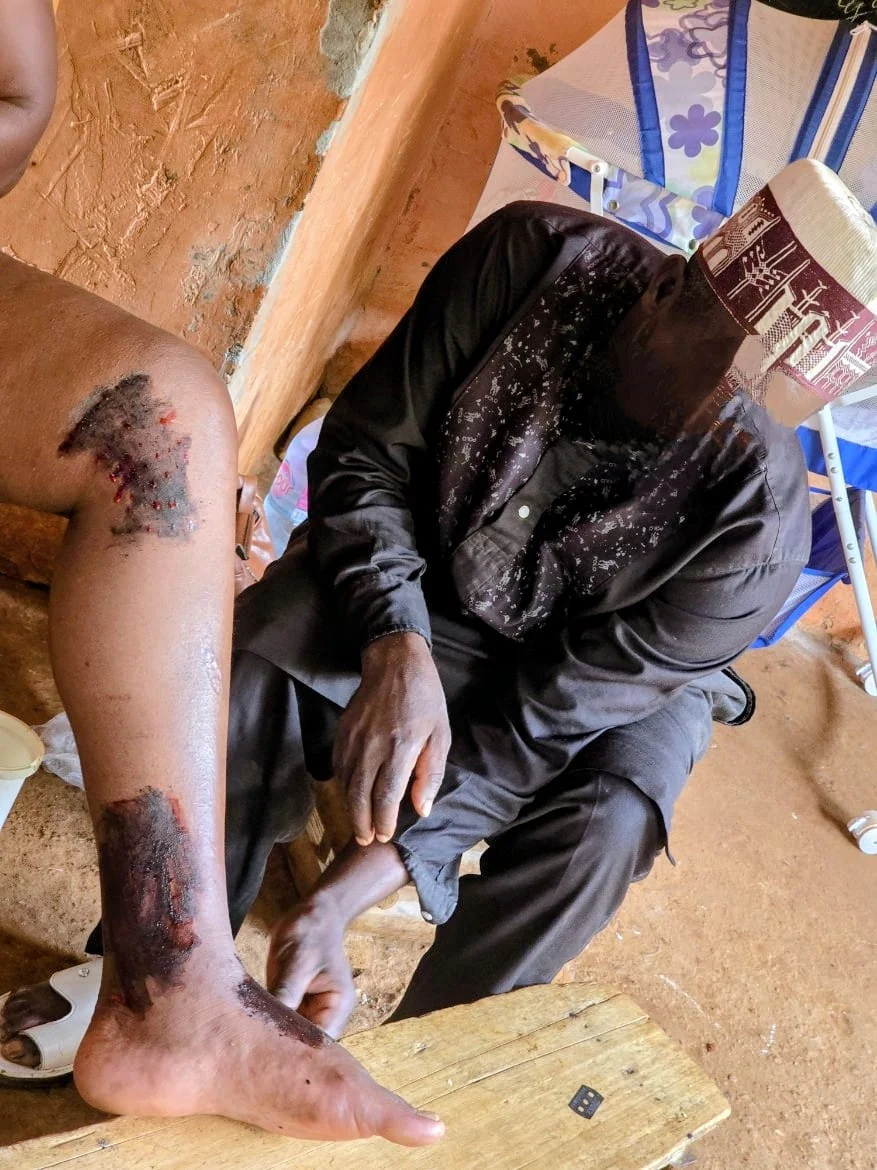
The ndwɛt is a creeping plant. Its ability to multiply rapidly makes it a symbol of fertility. Medicinally, the plant (its roots, leaves and flowers) is used in cases of infertility. (Ndonfack 2018) Its juice, obtained by maceration, is consumed to stimulate the appetite. During their initiation period at La’akam* (initiatic village), for example, future chiefs consume it daily to emerge, after nine months, overweight. Studies have proven that ndwɛt acts effectively on gastric problems (Telefo 2015, 16). The juice of the ndwɛt is also an essential ingredient in the rite of twins. It therefore represents peace, fertility, well-being, union, blessing and protection. Its consumption by the twins, by family members and by the audience during and after the ritual, and its sprinkling in the congregation and in the homes, have but one purpose: to ensure fertility and blessing.

Read more

Le ndwɛt est une plante rampante. Sa faculté de se multiplier rapidement explique qu’elle soit un symbole de fécondité. Du point de vue médicinal, la plante (ses racines, ses feuilles et ses fleurs) est employée en cas d’infertilité. Sa consommation permet également de soigner l’anorexie. (Ndonfack 2018) Son jus, obtenu par macération, est consommé pour stimuler l’appétit. Pendant leur stage initiatique au La’akam*, par exemple, les futurs chefs le consomment quotidiennement pour ressortir, après neuf mois, avec de l’embonpoint. Des études ont prouvé que le ndwɛt agit efficacement sur les problèmes gastriques (Telefo 2015, 16). Le jus du ndwɛt est également la substance idéale pour le traitement de tout mal-être spirituel ou physique. Dans ce cas, il a pour rôle d’apaiser le corps et l’esprit. Le jus du ndwɛt est un ingrédient essentiel du rite des jumeaux. Il représente donc à la fois la paix, la fertilité, le bien-être, l’union, la bénédiction et la protection. Sa consommation par les jumeaux/ jumelles, par les membres de la famille et par l’assistance pendant et après le rituel, son aspersion dans l’assemblée et dans les maisons n’ont qu’un seul but: celui d’assurer la fertilité et la bénédiction.

Date of entry: August 18, 2025
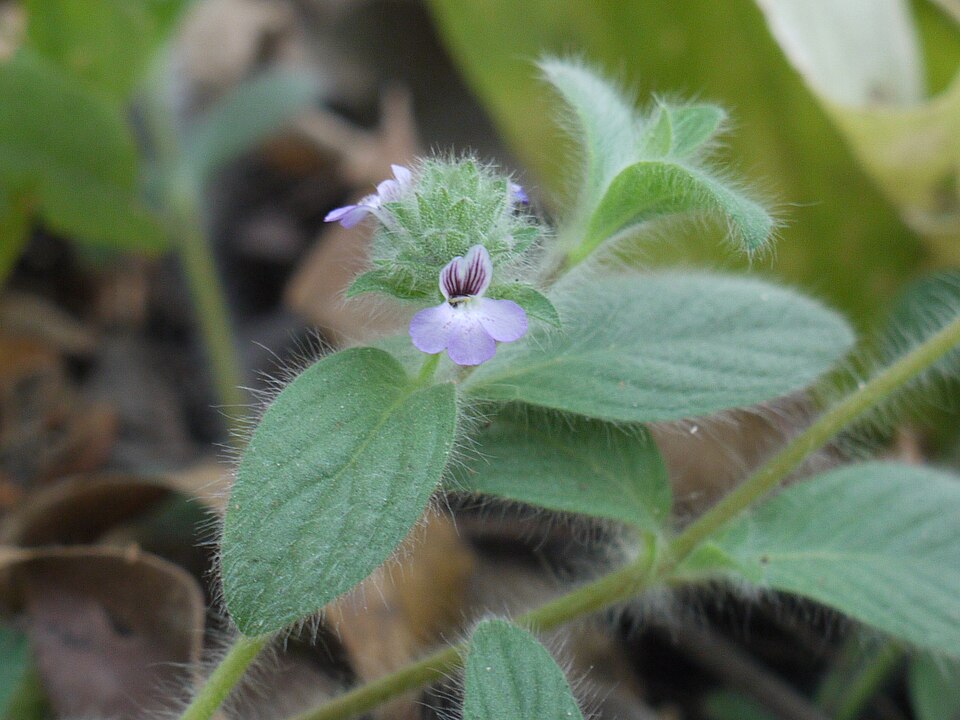
Nelsonia canescens. Photograph by Dinesh Valke from Thane, India, CC BY-SA 2.0, https://creativecommons.org/licenses/by-sa/2.0, via Wikimedia Commons.
The name you would like to be credited with for your contribution.
The word you wish to contribute
Your email for contact and updates regarding your submission.
The language you are contributing the word in
Maximum file size: 3 MB
Maximum file size: 5 MB
By proceeding, I acknowledge and agree to GloCo's Legal notice and Terms of use
and the Guidelines for Contributors *

Related Words

Children preparing for the Kang dance
Tcheu’ (cœ̀')
Nguemba

The word means hat. There are many different types, from royal headdresses to simple hats, Nkam (ŋkǎm)' hats and headdresses worn by the members of t...

offering, Bapa village (Cameroon), 26.07.2025, by Maeva PIMO
Pↄↄ’
Yemba

It refers to the offering made to deities during Bamiléké religious ceremonies. The act of making an offering is called ŋgwā' pↄↄ' (throwing the mushr...

Piliers sculptés, chefferie de Batoufam (Cameroun), 08/2025, par Maeva PIMO
Pilier sculpté
French

Une poutre en bois sur laquelle sont gravées des informations, lesquelles renseignent généralement sur l’importance du lieu, les valeurs ainsi que la ...

Bapa chiefdom model, Bapa (Cameroon), 07/2025, by Maeva PIMO
No'h (nɔ̀')
Nguemba

It refers to the chiefdom, which is the most important place in the village. The chiefdom has a dual definition. Firstly, it refers to the territorial...

Peace_Tree, Bapa chiefdom (Cameroon), 26.07.2025, by Maeva PIMO
Nkeŋ/ pfʉǝkeŋ/ Kwetkeng (kwɛ̀tŋkǝ̂ŋ) (Draceana Déléistéliana)
Yemba/Ghomala’/Nguemba

The peace tree is a shrub that can grow up to five meters high. In Bamiléké chiefdoms, it is one of the constituent plants of the bocage*, specific to...

Nkam Ssi (ŋkám Ssí)
Nguemba

A person with clairvoyant abilities. (See Djwisī/Nkemsī).

Nkam Bangoua - Right-hand man of Chief Bangoua
Nkam (ŋkǎm)
Nguemba

A notable is a person occupying a high rank in a chiefdom (See No’h (nɔ̀’)). A notable acquires his title and rank either by succession or by recognit...

Nkà shin (kǎ shìn)
Nguemba

The grouping of people of a certain age category. The gaps between two age groups vary from chiefdom to chiefdom. The gap considered for a generation ...

Ngaŋnga/Gegↄm
Yemba/ Ghomela

Literally the man of the tarantula, he is a doctor and a diviner. He uses tarantulas or cowrie shells for divination. He also uses plants and sacred w...

Nganafhu working on a patient, Yaounde (Cameroon), 06/2025, by Maeva PIMO
Nganafhū/Gaghĕ
Yemba/ Ghomela

The man of leaves or medicine is the community's chief doctor. He has a thorough knowledge of medicinal plants, but also of anatomy (Notue/Perrois 198...

error: