Meŋī Sī/Mǝʉmnye Sī

Language: Yemba/ Ghomela

Description

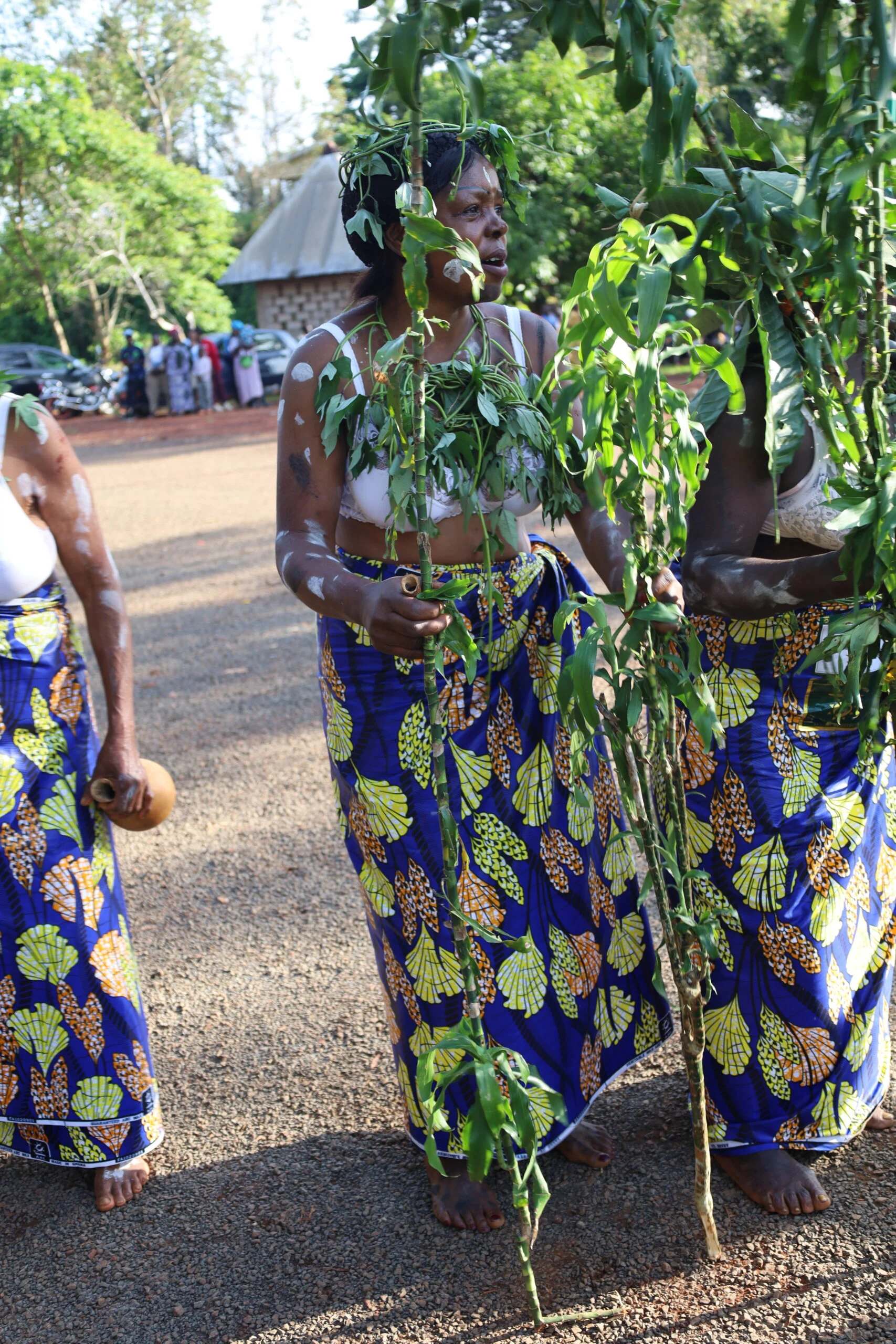
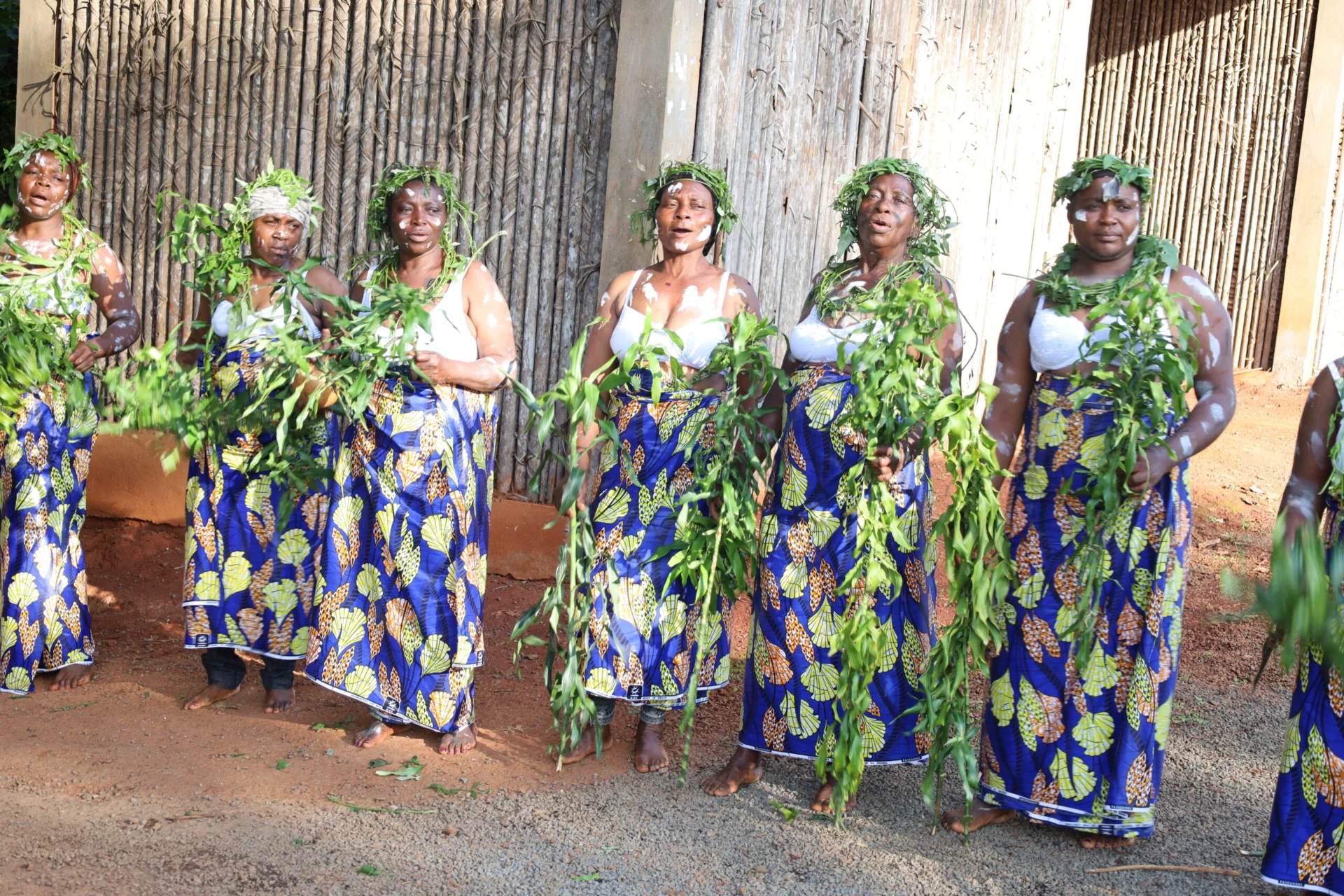
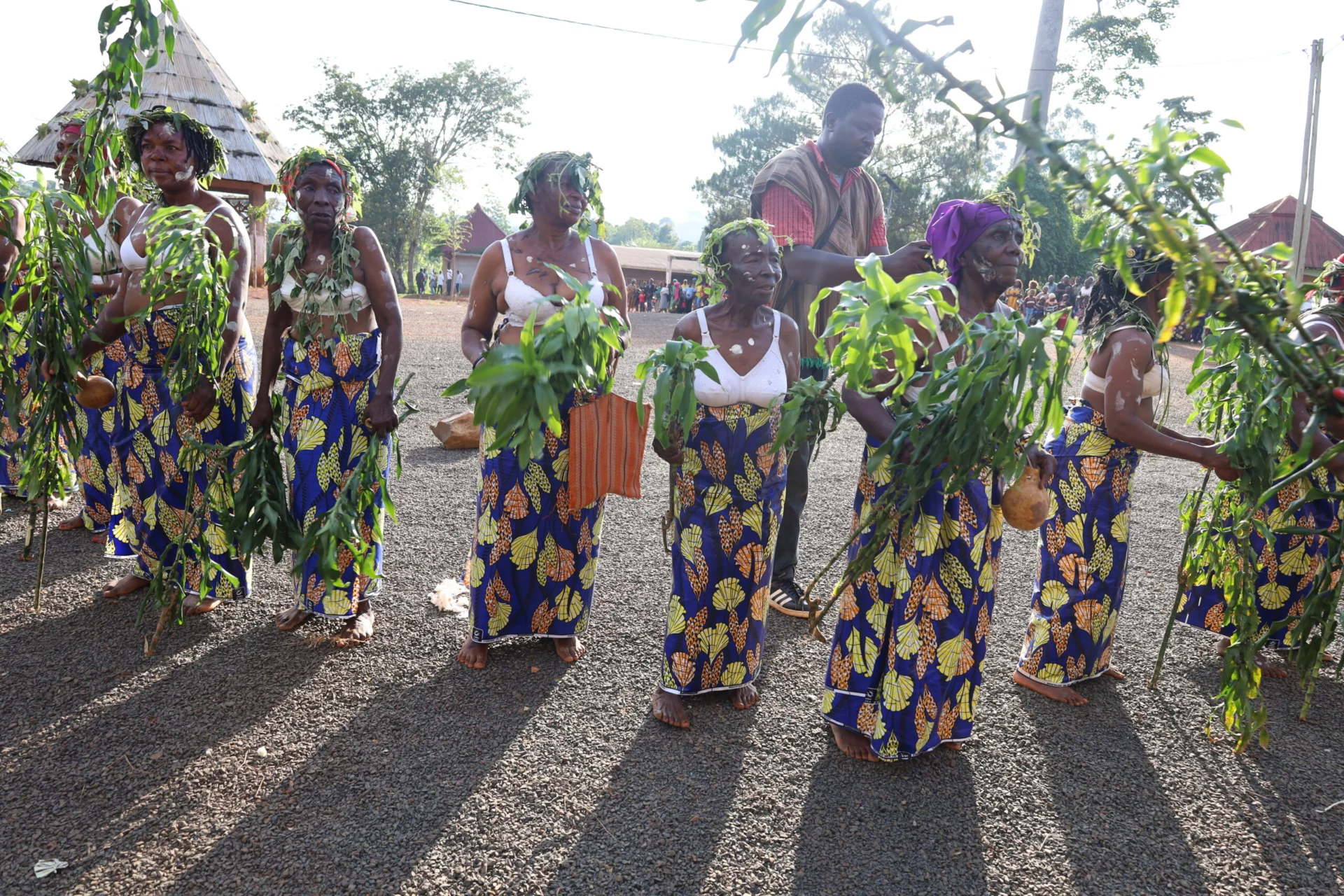
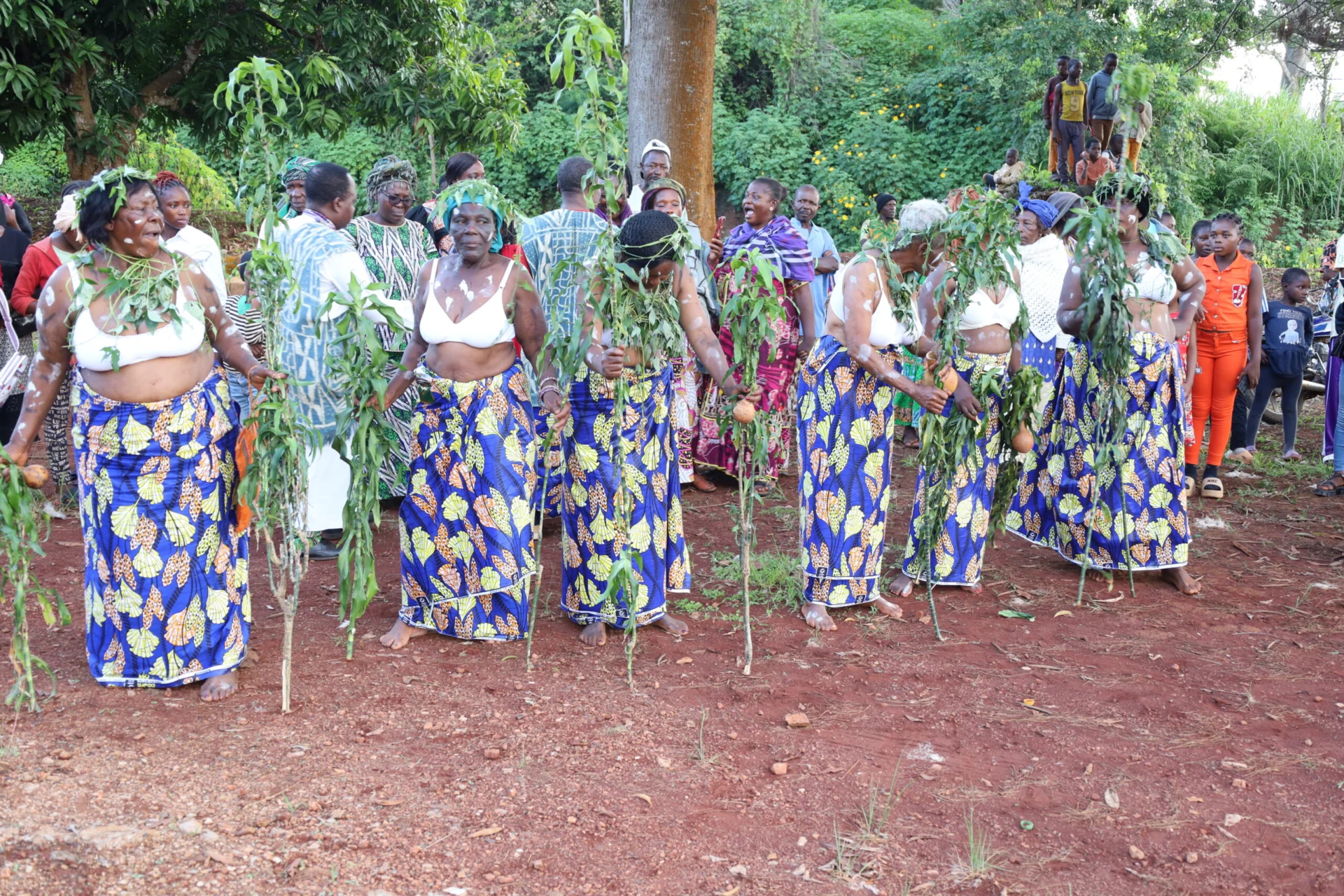
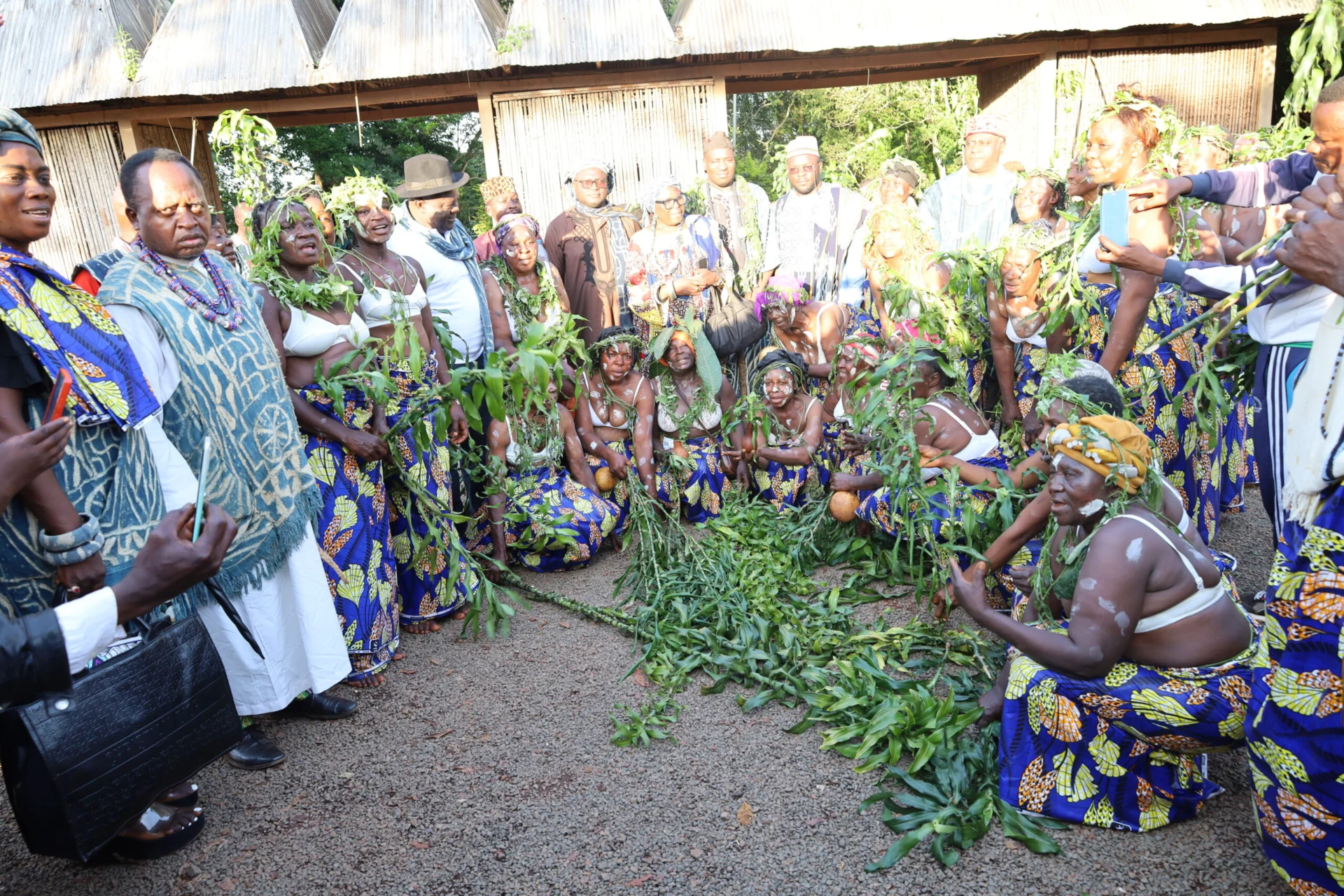
The term Mέŋī Sī, literally defined as mothers of God or of the earth, is a title of nobility. There is a difference between the title Mέŋī and that of Mέŋī Sī. The former is automatically, and without any prior initiation, attributed to any woman who has given birth to twins, while the latter is a title held by mothers of twins who have performed the Nkāŋ/sī rite (Achegui 2024). It is at the end of this rite that the Mέŋī is knighted with the title Mέŋī Sī and introduced into the sisterhood dedicated to them. Called Lūŋ Mέŋī Sī (the association of mothers of the earth or of God) or simply Sī (God or earth), this brotherhood is based at the chiefdom under the coordination of the chief. The Mέŋī Sī are priestesses who distil peace. They ensure the blessing, pacification and fertilisation of the earth and its people through various rites. They also officiate as priestesses for the initiation of new mothers of twins into the Nkāŋ/sī rite. Composed mainly of women who have already participated in this rite or their successors, it is led by a leader recognised as the descendant of the first woman to give birth to twins in the chiefdom. The Mέŋī Sī are distinguished by their attributes, namely a Nkeŋ rod, a Mechet basketry castanet and a raffia handbag.

Read more

Le terme Mέŋī Sī définie littéralement par mères de Dieu ou de la terre, est un titre de noblesse. Il existe une différence entre le titre Mέŋī et celui de Mέŋī Sī. Le premier est automatiquement, et sans aucune initiation préalable, attribué à toute femme ayant mis au monde des jumeaux/ jumelles, tandis que le second est un titre que portent les mères de jumeaux/jumelles, ayant exercé le rite Nkāŋ/sī (Achegui 2024). En effet, c’est à l’issue de ce rite que la Mέŋī est adoubée du titre Mέŋī Sī et introduite dans la confrérie qui leur est dédiée. Appelée Lūŋ Mέŋī Sī (l’association des mères de la terre ou de Dieu) ou tout simplement Sī (Dieu ou terre), cette confrérie siège à la chefferie sous la coordination du chef. Les Mέŋī Sī sont des prêtresses distillatrices de paix. Elles veillent à la bénédiction, à la pacification et à la fécondation de la terre et des personnes à travers divers rites. Elles officient également comme prêtresses pour l’initiation de nouvelles mères de jumeaux au rite Nkāŋ/sī. Composée essentiellement de femmes ayant déjà participées à ce rite ou de leur successeur-e, elle est dirigée par une leadeuse reconnue comme la descendante de la première femme ayant mis au monde des jumeaux dans ladite chefferie. Les Mέŋī Sī se distinguent par leurs attributs, soit une tige de Nkeŋ, la castagnette en vannerie dit Mechet et le sac à main en raphia.

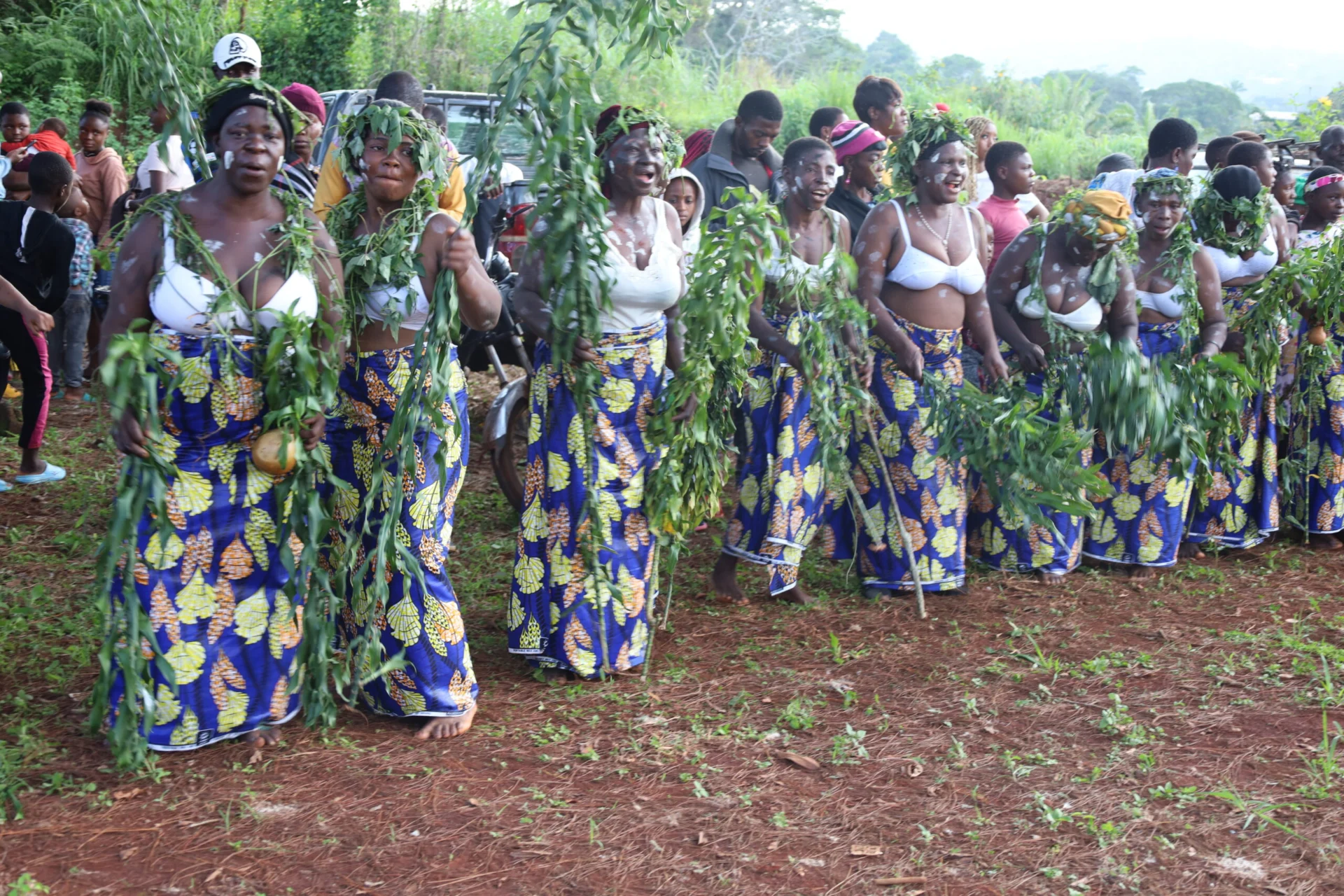
Date of entry: August 16, 2025
Meŋī Sī/Mǝʉmnye Sī of Batoufam chiefdom (Cameroon), 03/2019, by Arsène Ngandjouong
The name you would like to be credited with for your contribution.
The word you wish to contribute
Your email for contact and updates regarding your submission.
The language you are contributing the word in
Maximum file size: 3 MB
Maximum file size: 5 MB
By proceeding, I acknowledge and agree to GloCo's Legal notice and Terms of use
and the Guidelines for Contributors *

Related Words

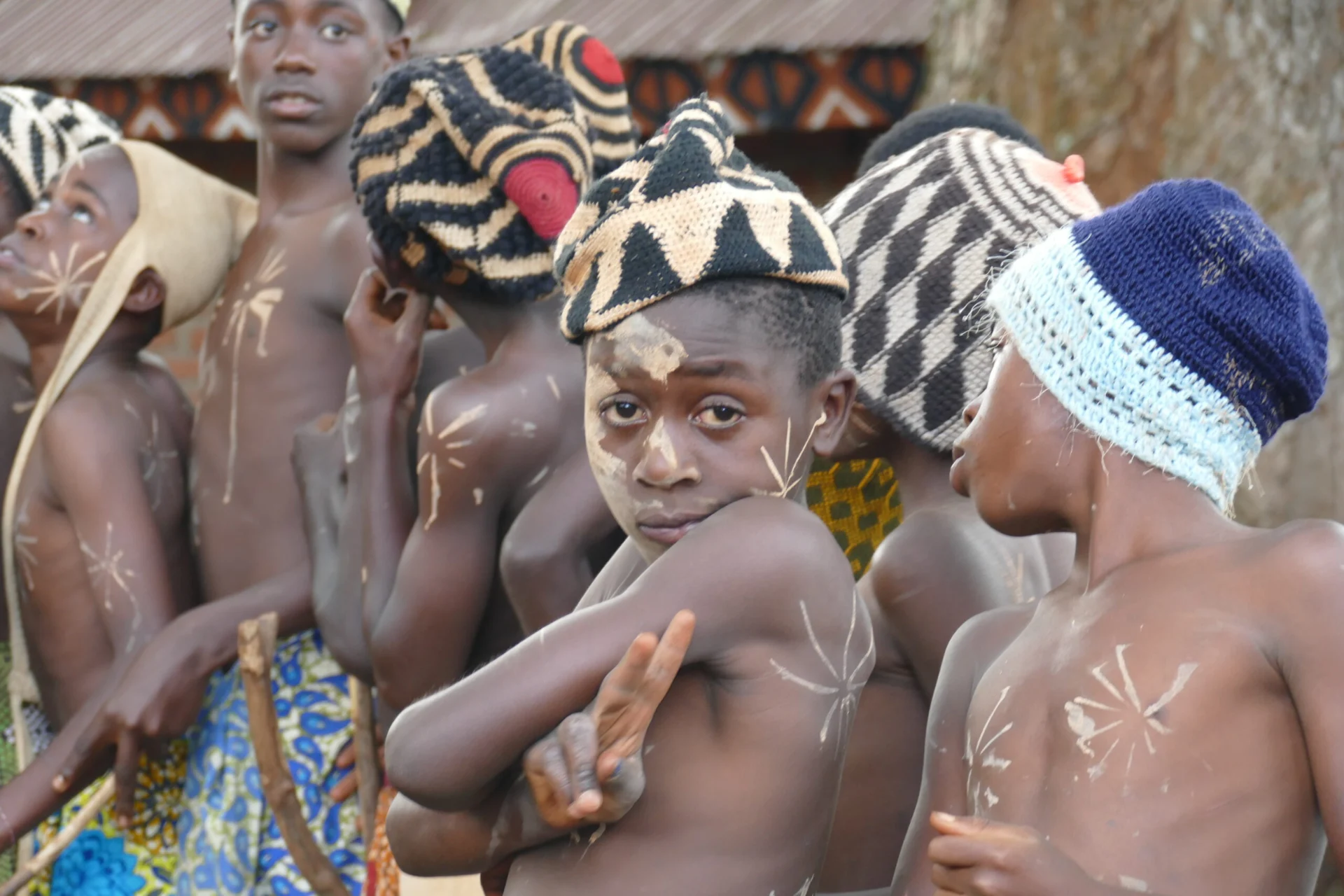
Children preparing for the Kang dance
Tcheu’ (cœ̀')
Nguemba

The word means hat. There are many different types, from royal headdresses to simple hats, Nkam (ŋkǎm)' hats and headdresses worn by the members of t...

offering, Bapa village (Cameroon), 26.07.2025, by Maeva PIMO
Pↄↄ’
Yemba

It refers to the offering made to deities during Bamiléké religious ceremonies. The act of making an offering is called ŋgwā' pↄↄ' (throwing the mushr...

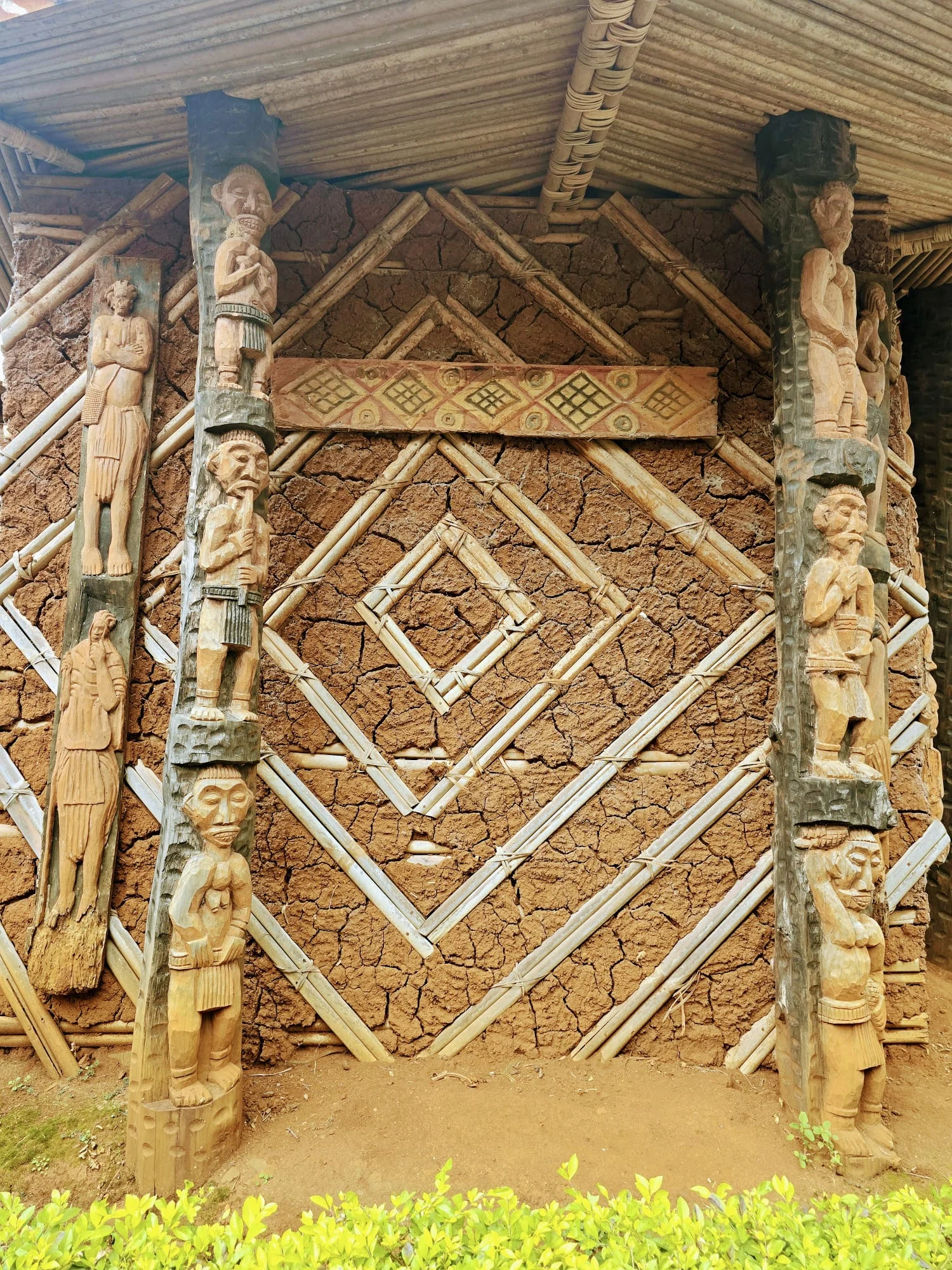
Piliers sculptés, chefferie de Batoufam (Cameroun), 08/2025, par Maeva PIMO
Pilier sculpté
French

Une poutre en bois sur laquelle sont gravées des informations, lesquelles renseignent généralement sur l’importance du lieu, les valeurs ainsi que la ...

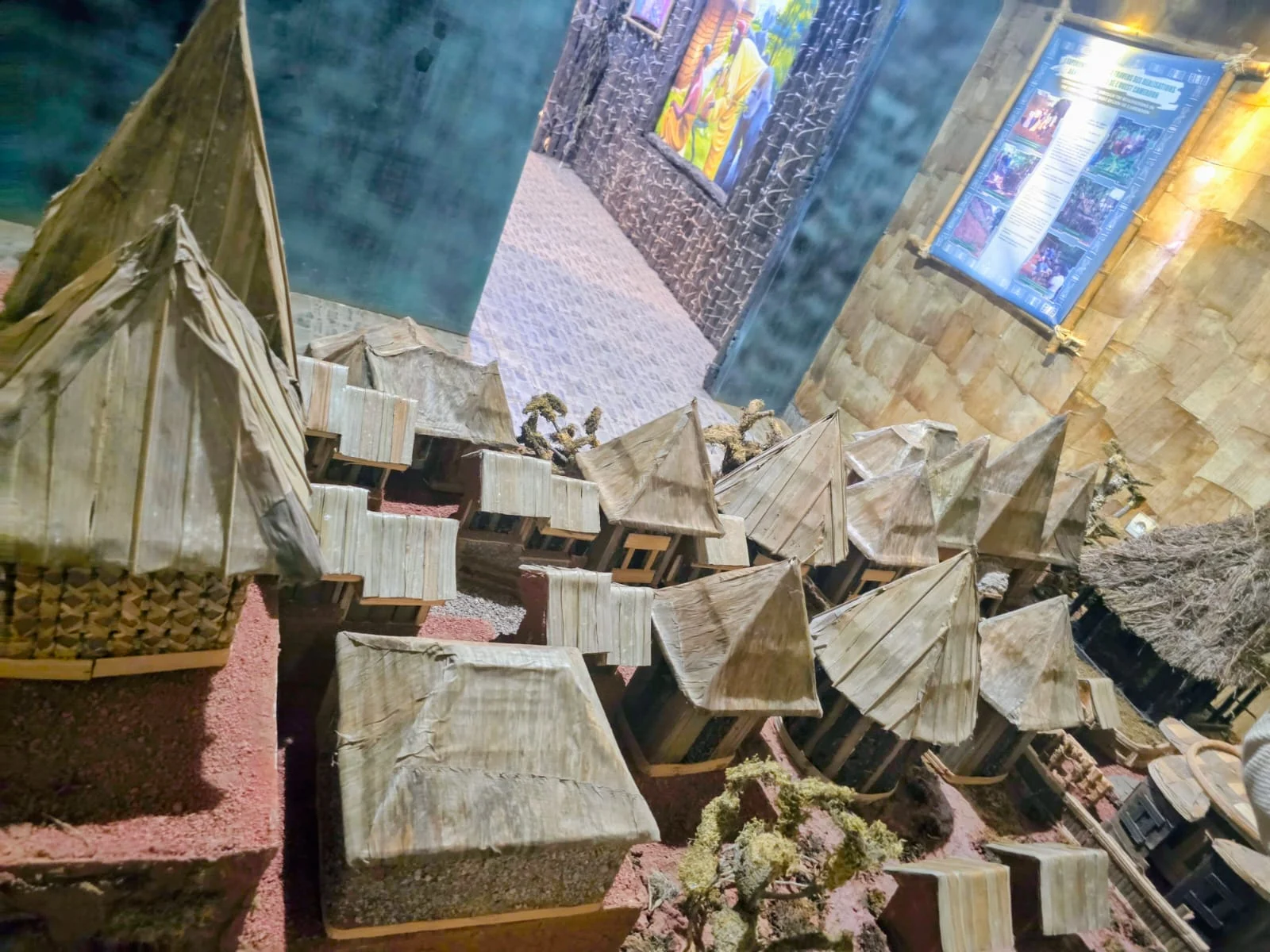
Bapa chiefdom model, Bapa (Cameroon), 07/2025, by Maeva PIMO
No'h (nɔ̀')
Nguemba

It refers to the chiefdom, which is the most important place in the village. The chiefdom has a dual definition. Firstly, it refers to the territorial...

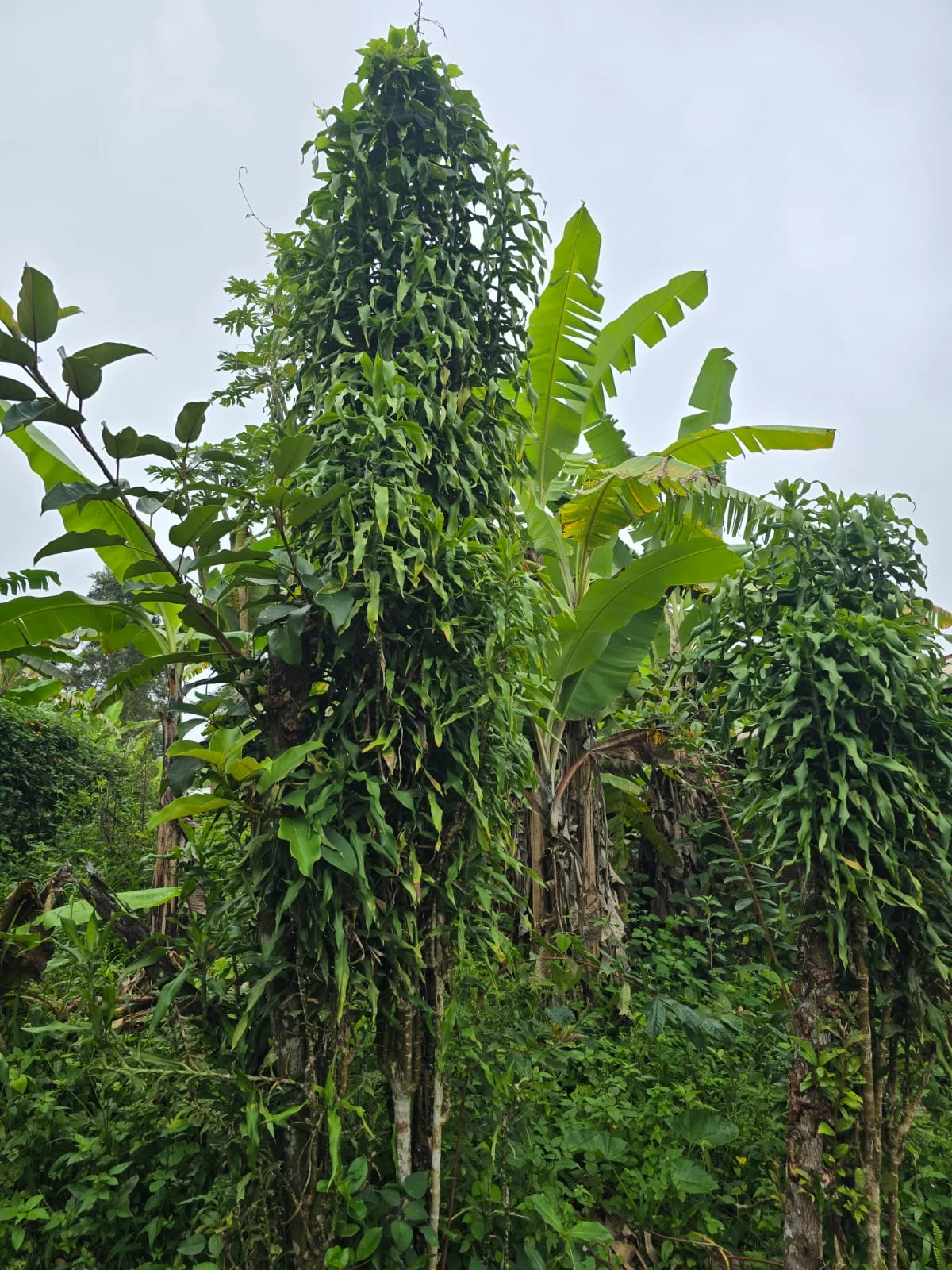
Peace_Tree, Bapa chiefdom (Cameroon), 26.07.2025, by Maeva PIMO
Nkeŋ/ pfʉǝkeŋ/ Kwetkeng (kwɛ̀tŋkǝ̂ŋ) (Draceana Déléistéliana)
Yemba/Ghomala’/Nguemba

The peace tree is a shrub that can grow up to five meters high. In Bamiléké chiefdoms, it is one of the constituent plants of the bocage*, specific to...

Nkam Ssi (ŋkám Ssí)
Nguemba

A person with clairvoyant abilities. (See Djwisī/Nkemsī).

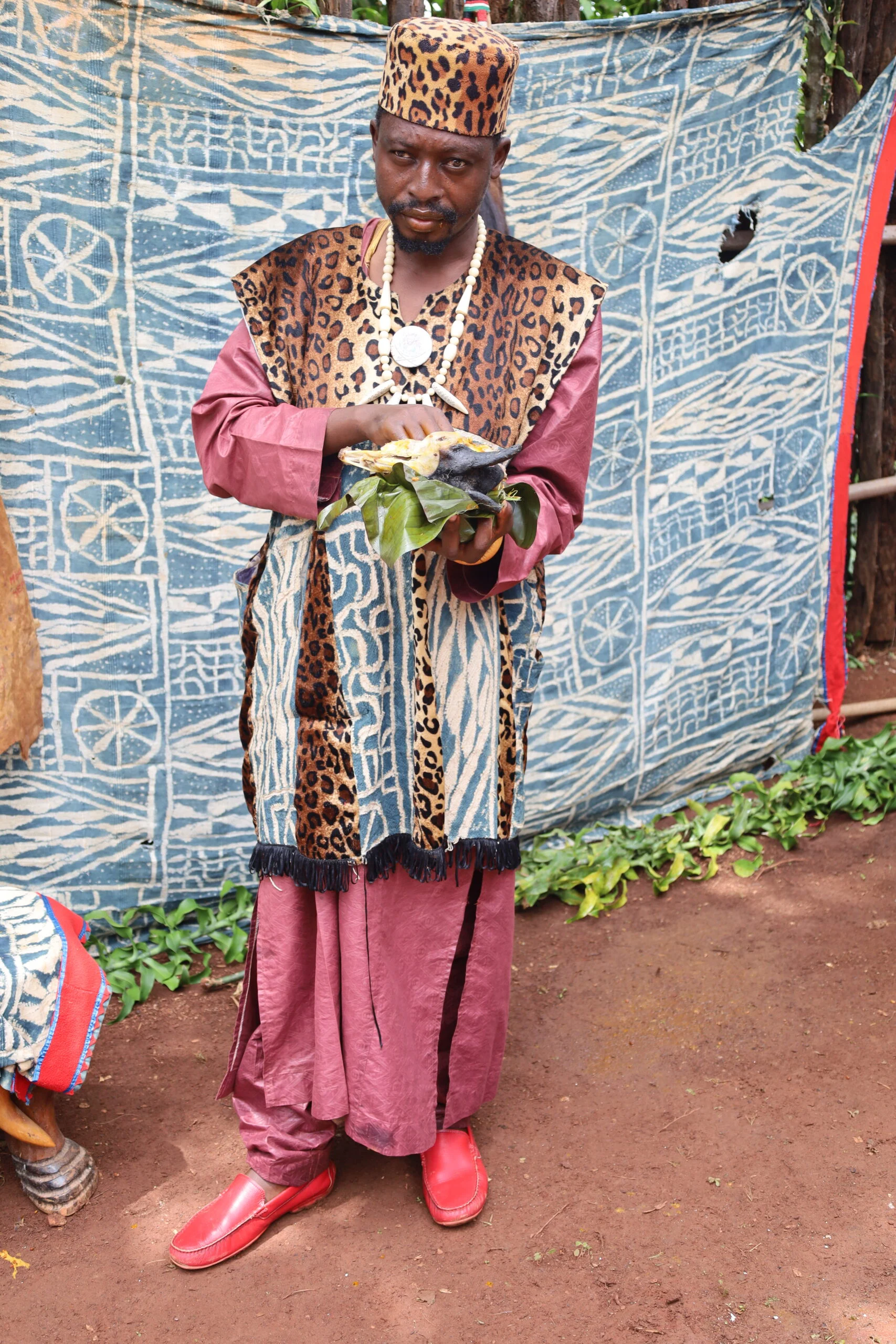
Nkam Bangoua - Right-hand man of Chief Bangoua
Nkam (ŋkǎm)
Nguemba

A notable is a person occupying a high rank in a chiefdom (See No’h (nɔ̀’)). A notable acquires his title and rank either by succession or by recognit...

Nkà shin (kǎ shìn)
Nguemba

The grouping of people of a certain age category. The gaps between two age groups vary from chiefdom to chiefdom. The gap considered for a generation ...

Ngaŋnga/Gegↄm
Yemba/ Ghomela

Literally the man of the tarantula, he is a doctor and a diviner. He uses tarantulas or cowrie shells for divination. He also uses plants and sacred w...

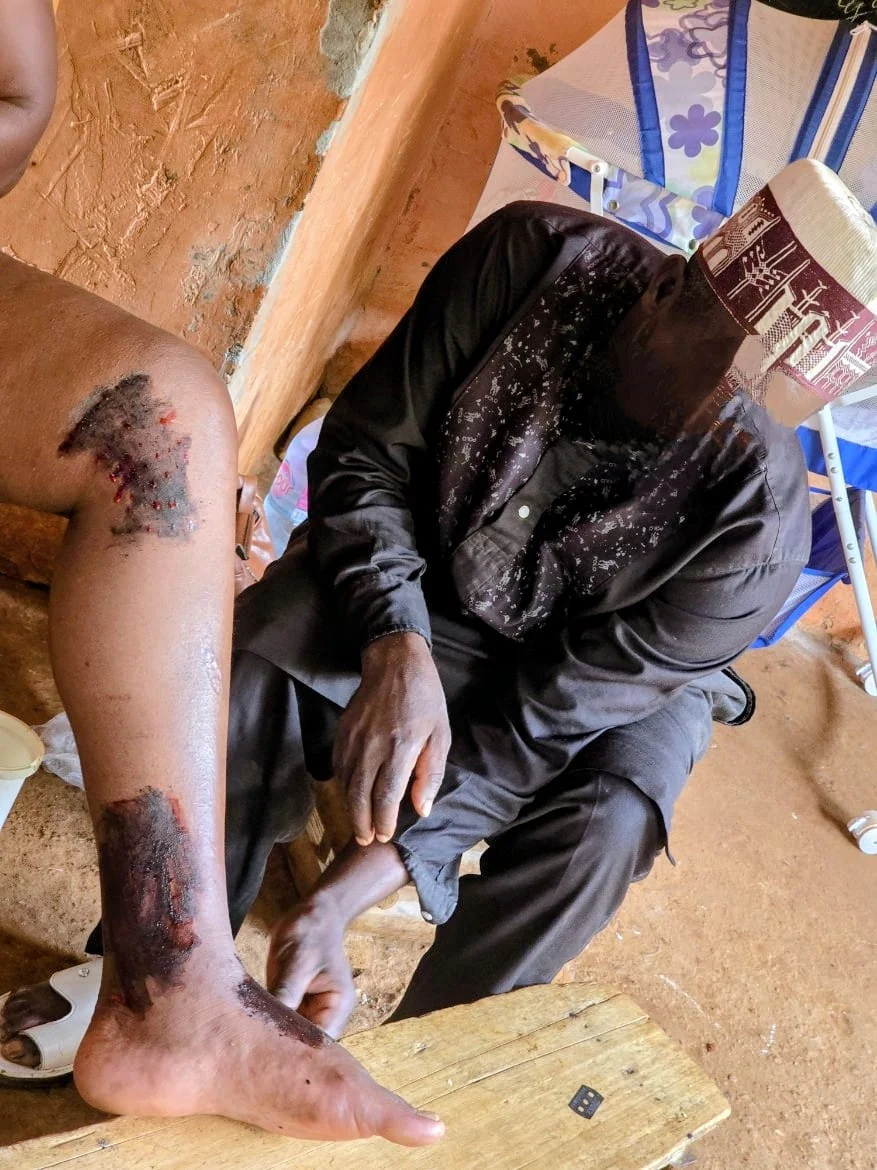
Nganafhu working on a patient, Yaounde (Cameroon), 06/2025, by Maeva PIMO
Nganafhū/Gaghĕ
Yemba/ Ghomela

The man of leaves or medicine is the community's chief doctor. He has a thorough knowledge of medicinal plants, but also of anatomy (Notue/Perrois 198...

error: