Arirang is a Korean folk song that gained significance during the Japanese occupation of the Korean Peninsula as a form of resistance. The origin of the song is unknown; it is estimated to be several hundred years old, and roughly 3600 different versions of it exist. UNESCO lists it as Intangible Cultural Heritage for both North Korea (2014) and South Korea (2012).
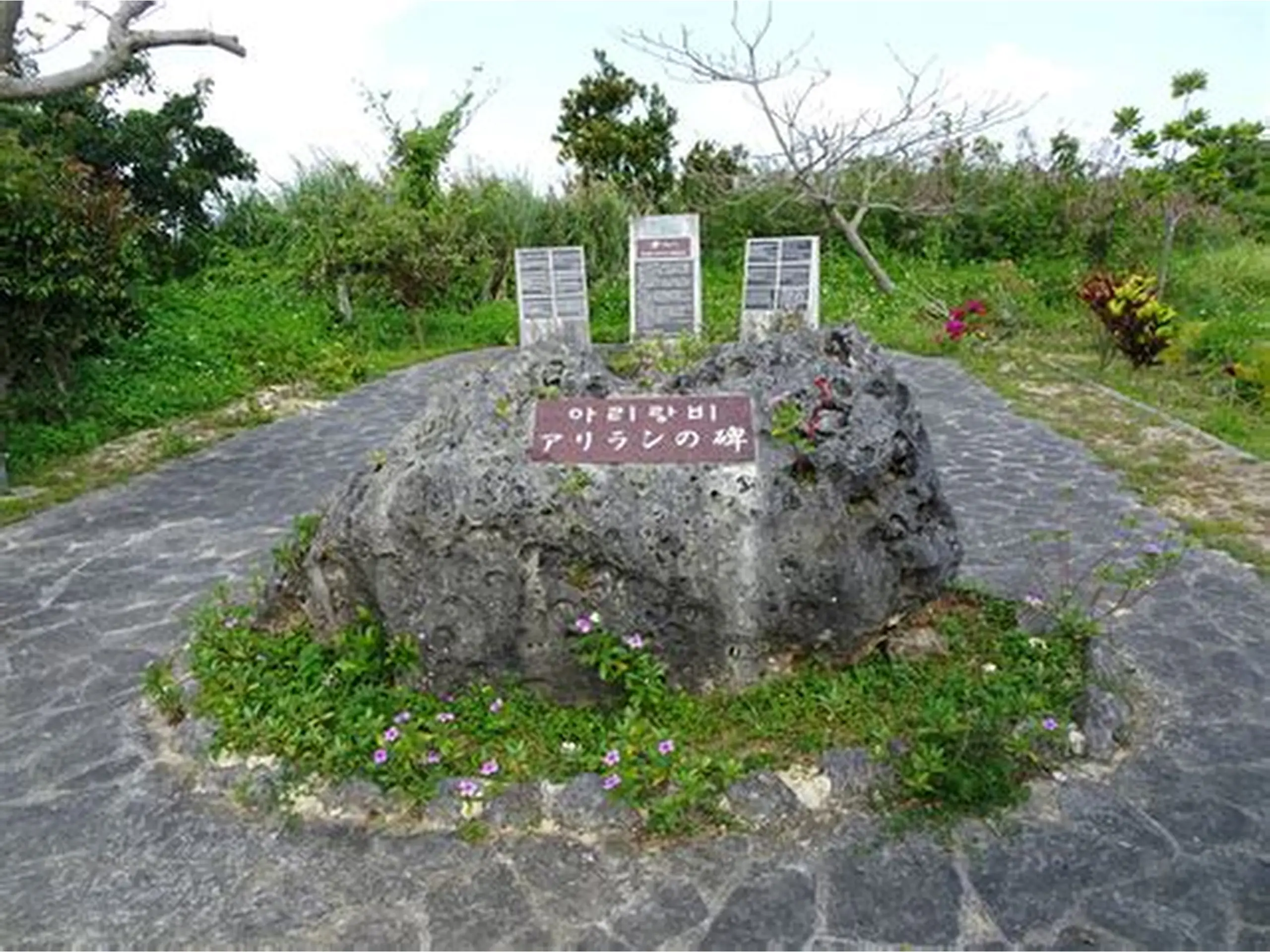
During the time of Japanese occupation (1910-1945), singing folk songs like Arirang was prohibited, which eventually turned the song into a symbol of resistance. Today there are memorials, like the Arirang Memorial in Miyakojima, commemorating the so-called “comfort women” – Korean women who were kidnapped and forced into prostitution by the Japanese military.
In 1896, anthropologist Alice Fletcher created recordings of three different versions of Arirang. It is the first audio recording of the Korean language. The recordings include the voices of Ahn Jeong-Sik, Lee Hee-Cheol and Song Rong. https://ambientscape.com/korea-collection
A common version of Arirang is the Bonjo-Arirang, which reads:
아리랑, 아리랑, 아라리요.
아리랑 고개로 넘어간다.
나를 버리고 가시는 님은
십리도 못가서 발병난다.
Which roughly translates to:
Arirang, Arirang, Arariyo.
I cross the Arirang mountain.
Whoever left me
Won’t be able to walk ten Li before their feet hurt.
This is also the version that gained worldwide popularity in 2026, for it is included in the opening track “Body to Body” on the album titled “Arirang” by Korean band BTS.

![Eighteenth-century watercolor drawing of a ceramics repairer in a Beijing street. Source: ‘Streets of Peking: [drawing]. Digitisation of RESERVE OE-55 (A)-4’, volume II © BnF Gallica.](https://glo-co.org/wp-content/uploads/2025/03/锔补_ju_bu.png)