ཀརྨ་ / Karma

Language: Tibetan
Contributors: Ayesha Fuentes
Also known as: བྱིན་ལས་, byin las

Description

The word karma – used in Tibetan along with ‘jinley’ – and derived from the Sanskrit verb kṛ meaning ‘to make, do or create’. It describes the accumulated effort, intention and activities of an individual and the influence of these actions on their potential liberation and rebirth. It can be used to describe any type of work or activity including the commission, construction, repair, conservation, maintenance or restoration of religious and cultural objects, sites and monuments. Both the renovation and preservation of heritage sites and objects can be considered beneficial for an individual’s karma as an opportunity to cultivate merit and act positively for the benefit of other sentient beings. Harming other beings and actions that work against Buddhist values – e.g. killing insects or rodents in pest management, damaging sacred sites – can have a negative effect on one’s karma. Karma exists and accumulates regardless of whether an individual is a Buddhist practitioner or not and its effects can be used to explain life events, natural disasters, social affiliations and access to resources.

Read more
Date of entry: November 2, 2026
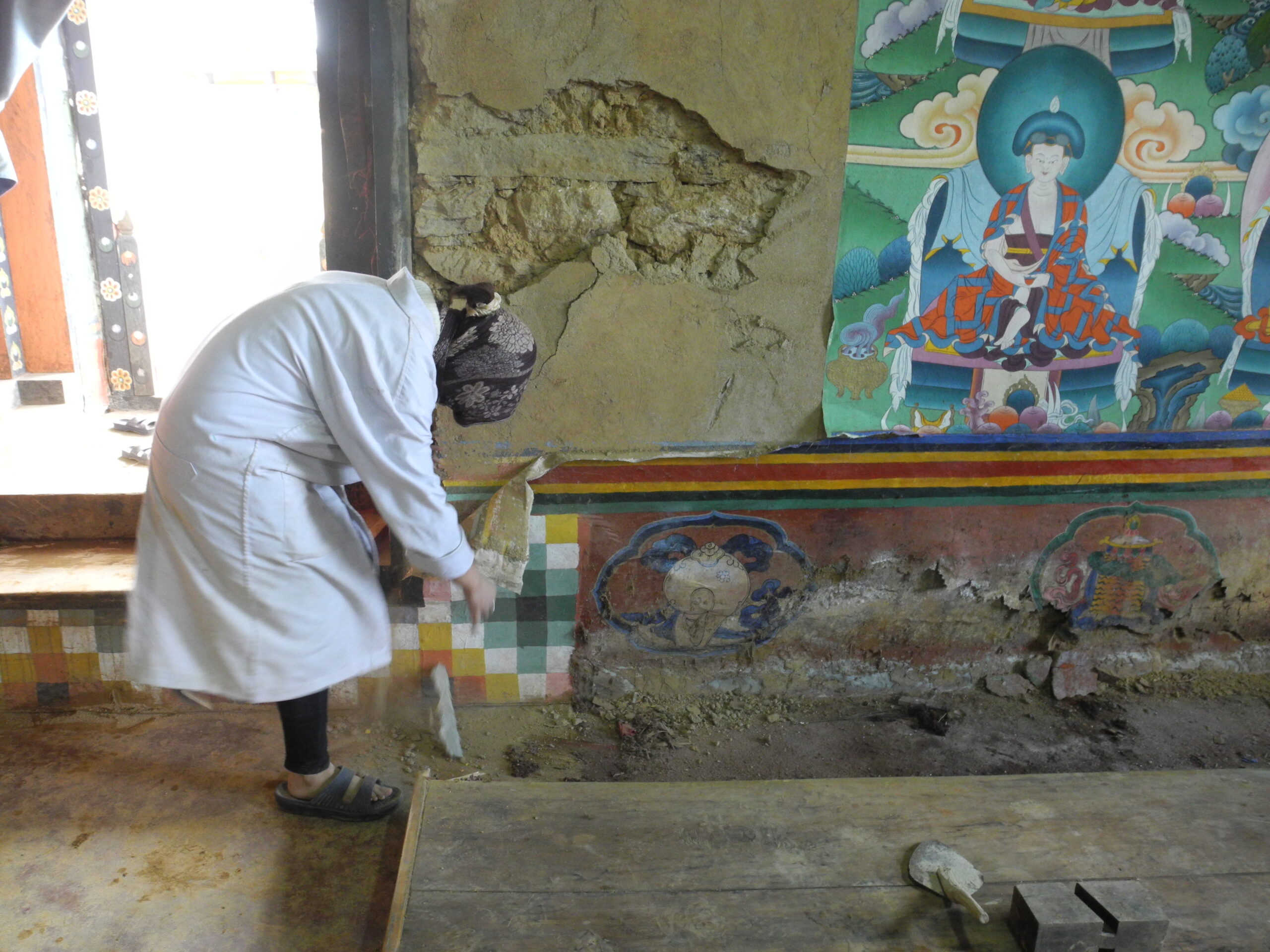
Cleaning, commissioning, repairing or replacing material heritage are all opportunities to cultivate merit and have a positive effect on one’s karma. A government conservator cleans up damage to a temple after an earthquake. Bhutan, 2014.
The name you would like to be credited with for your contribution.
The word you wish to contribute
Your email for contact and updates regarding your submission.
The language you are contributing the word in
Maximum file size: 3 MB
Maximum file size: 5 MB
By proceeding, I acknowledge and agree to GloCo's Legal notice and Terms of use
and the Guidelines for Contributors *

Related Words

ku_20250417_122805
སྐཀུ་ / Ku
Tibetan

‘Ku’ is the honorific word for ‘body’ in Tibetan and describes the image or likeness of deities, teachers and religious authorities who embody Buddha-...

jinlap_20250416_103554
བྱིན་རླབས / Jinlap
Tibetan

Often translated from Tibetan as ‘blessing’, jinlap can describe the accumulated evidence of an object’s effective use and maintenance and/or its capa...

zung_20260821_093329-1
བཟུངས / Zung
Tibetan

Tibetan and Himalayan Buddhist three-dimensional figures, sculptures and monuments often contain materials - collectively referred to as ‘zung’, in Ti...

IMG_20220924_104331
초가 / Choga
Korean

Choga is a traditional type of Korean housing, which is characterised by a thatched roof. The materials used vary depending on region; rice straw was ...

OIP-2
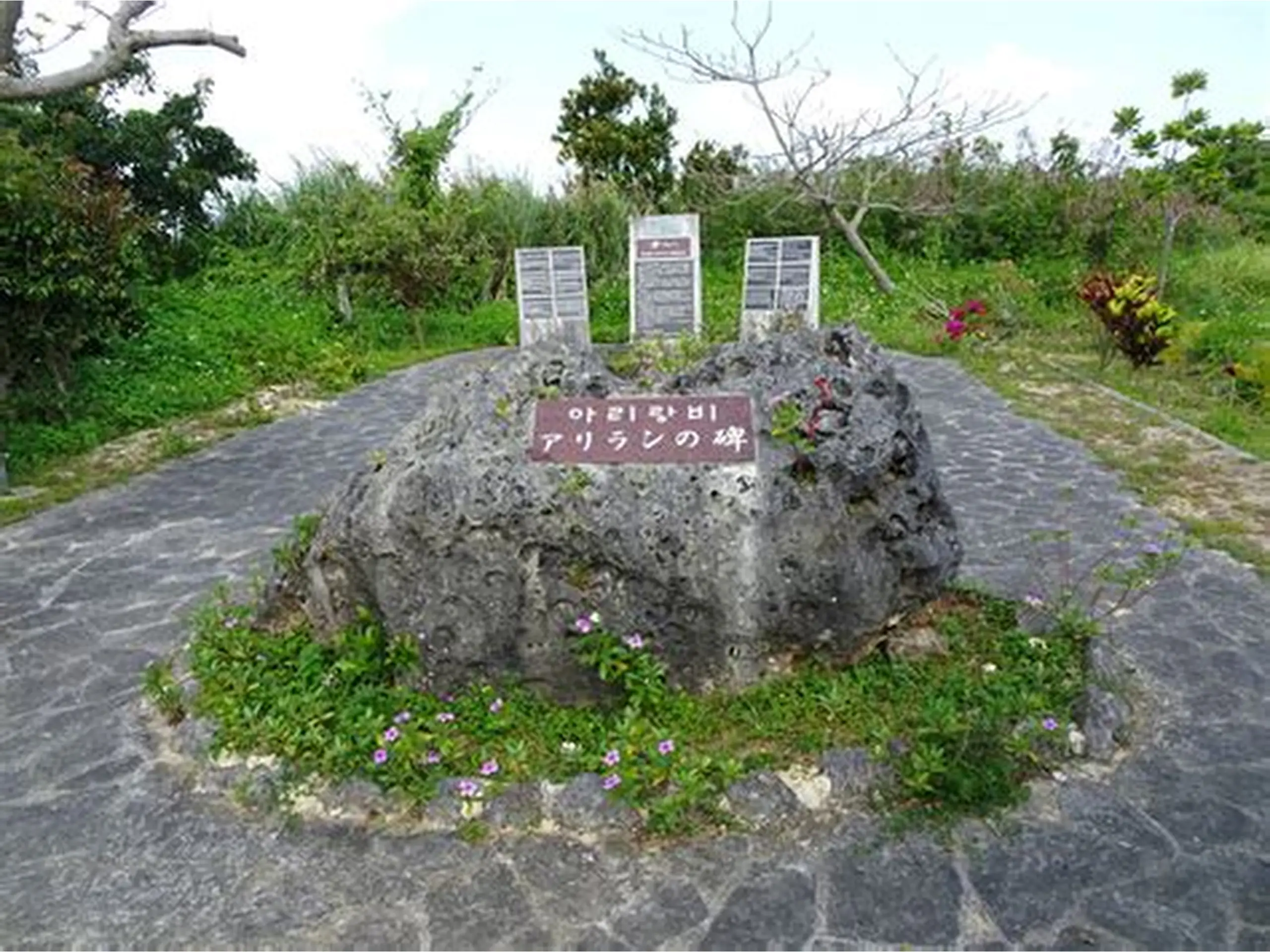
아리랑 / Arirang
Korean

Arirang is a Korean folk song that gained significance during the Japanese occupation of the Korean Peninsula as a form of resistance. The origin of t...

Chinese Handscroll
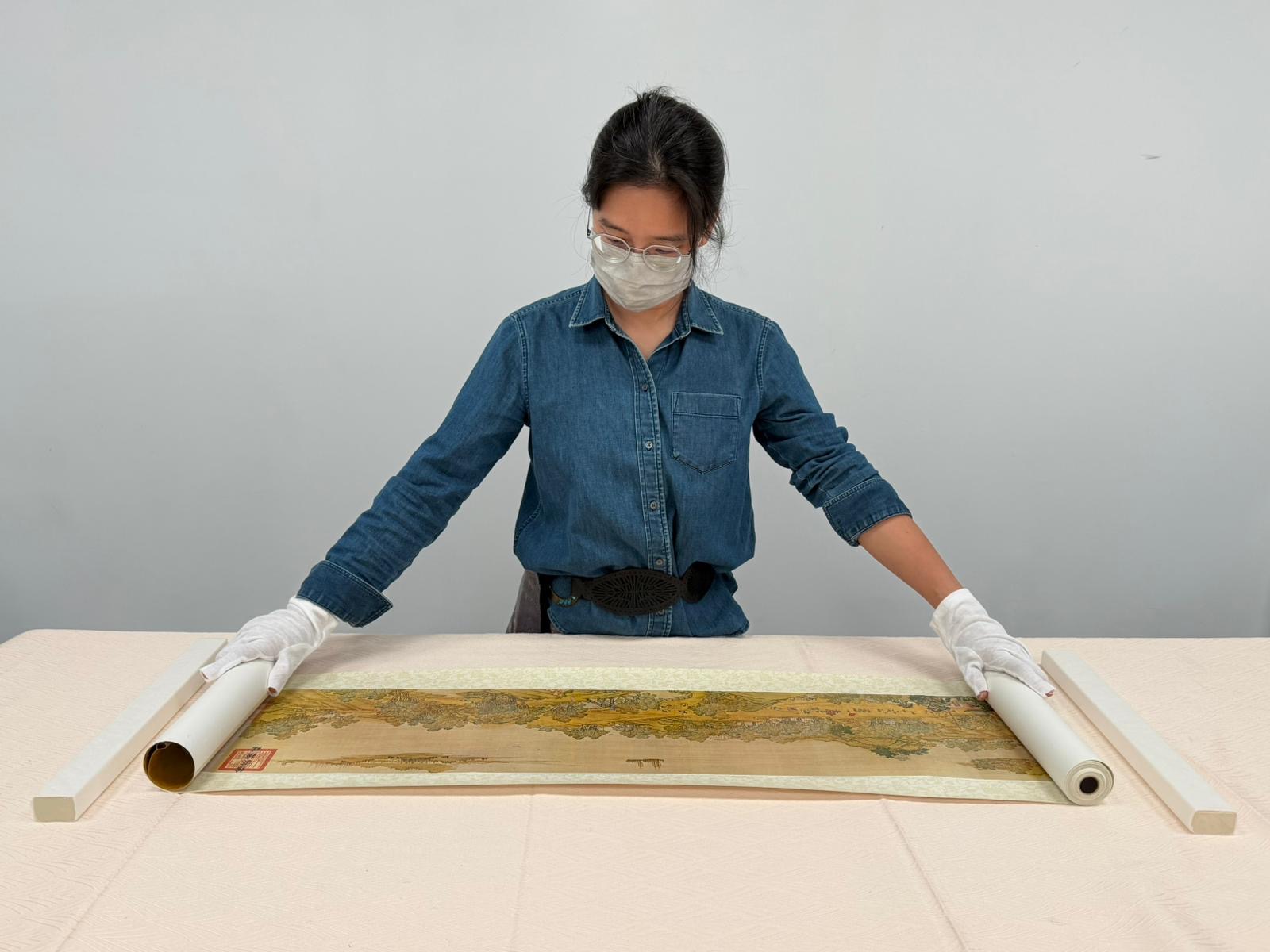
手卷/shǒu juàn
Chinese
shǒu juàn

在东亚和部分东南亚文化中,手卷是重要的绘画或书法装裱形式(另一种为立轴)。手卷一般由右自左横向展开,其长度通常可达数米,高度约为25至40厘米。 动态的观...

chawan_W
Kintsugi (金継ぎ)
Japanese
/kɪnˈtsuːɡi/

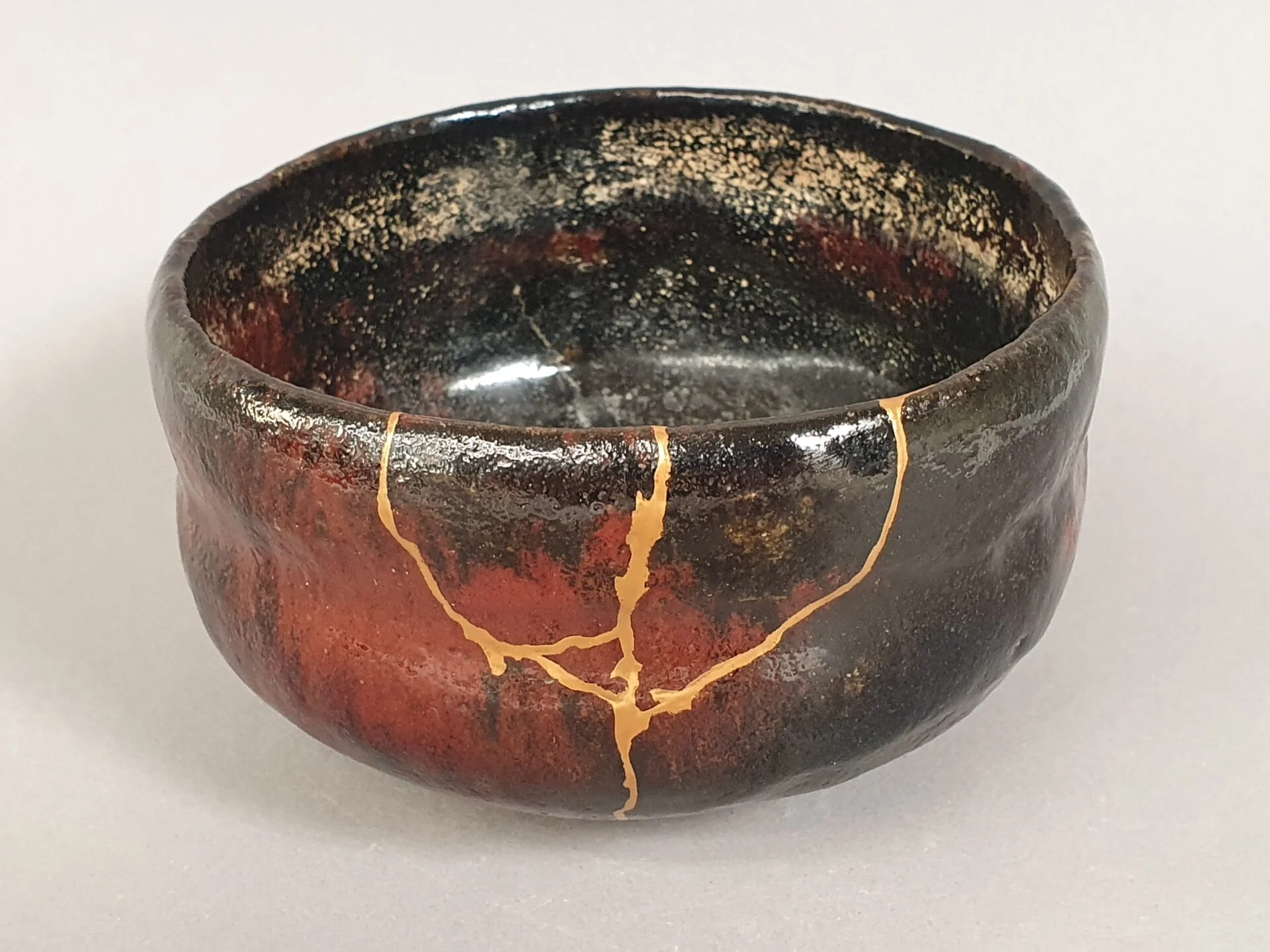
Kintsugi setzt sich aus folgenden Zeichen zusammen: 金 (kin) – Gold, Metall, Geld und 継ぎ (tsugi) – Verbindung / Reparatur / Zusammenfügen Kintsugi i...

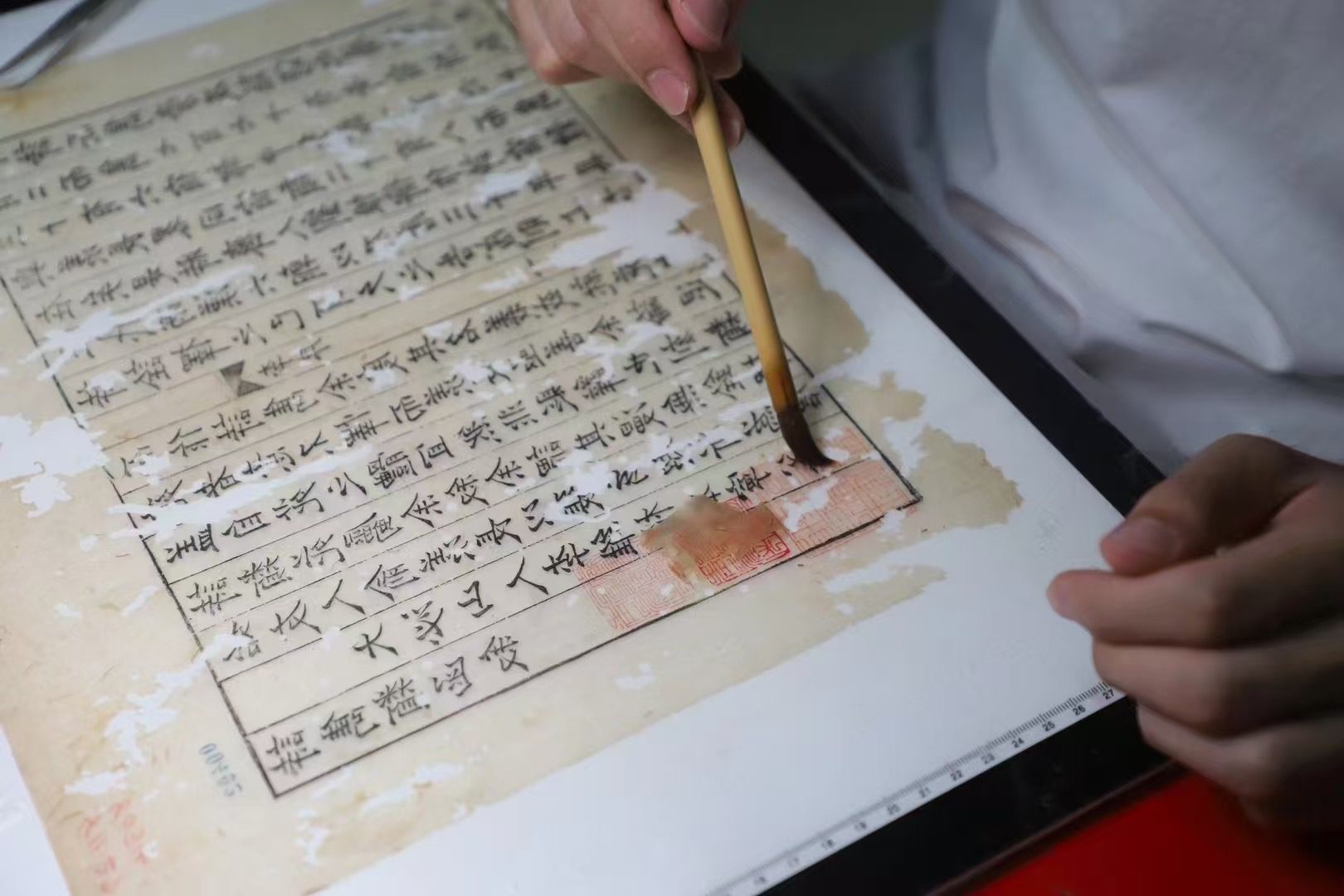
Figure 8: Brush wetting during the restoration of an ancient painting, known as 补水/bǔ shuǐ, as part of the 装潢 process. By He Liang Ren Pucheng.
装潢/ zhuāng huáng
Mandarin
/tʂwaŋ/ /xwaŋ/

Dans la langue chinoise moderne, le terme « 装潢/ zhuāng huáng » (zhuānghuáng) revêt trois sens, dont l’un fait référence à l’utilisation de papier te...

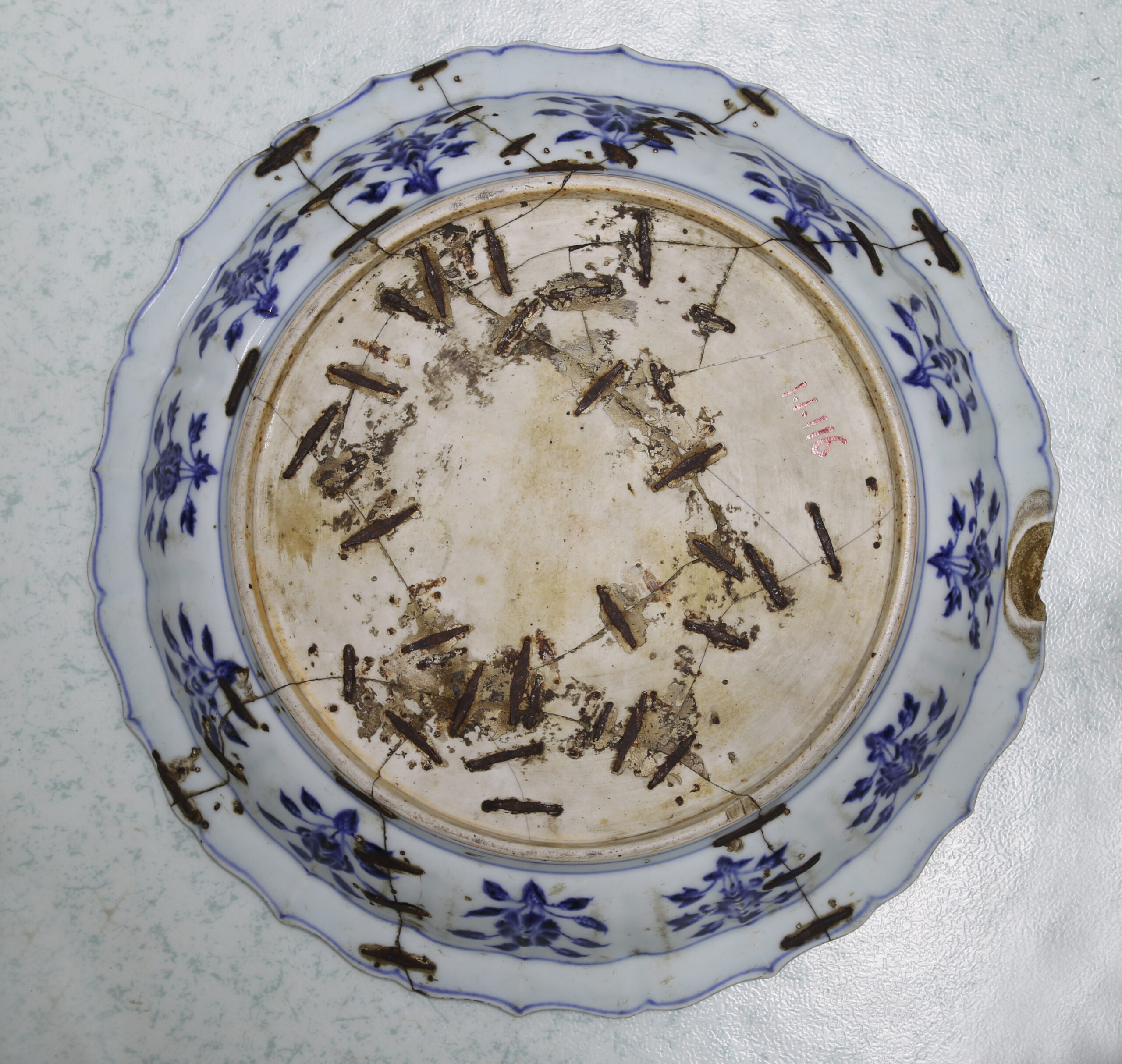
Figure 7: Blue and white porcelain dishes with floral decoration, intended for everyday use, dating from the Ming dynasty during the reign of Emperor Yongle (1403–1424) (朱 & 李 2022). The staples themselves have undergone several repairs. The Wanlin Museum of Art, Wuhan University, China, by Qi Li.
锔瓷/jū cí
Mandarin
/dʒy tshɨ/

In contemporary Chinese, the term 锔瓷/jū cí refers to a traditional technique for repairing ceramics using metal staples. Prior to the twentieth cent...

锔子/jū zi
Mandarin
/dʒy tsɨ/

According to modern Chinese language dictionaries, the term 锔子/jū zi refers to an instrument, usually fashioned from copper, iron, or another materi...

error: