الماضي القريب (al-māḍī al-qarīb) / Recent Past

Pronunciation: al-MA-dee al-qa-REEB
Language: Arabic

Description

الماضي القريب يشير إلى الفترة التاريخية التي تمتد من أوائل القرن العشرين حتى السنوات الأخيرة، والتي تتميز بتوفر الشهادات الحية والذاكرة الشفوية للمعاصرين. في السياق الفلسطيني، يحمل هذا المفهوم أهمية خاصة لارتباطه بفترة النكبة (1948) والتهجير الجماعي، وما تبعها من تحولات اجتماعية وثقافية. الماضي القريب يشمل تجارب الحياة اليومية في القرى والمدن الفلسطينية قبل التهجير، والممارسات الثقافية التي تم الحفاظ عليها في الشتات. هذا المفهوم يكتسب بُعداً سياسياً ووطنياً، حيث يمثل مرجعية لإثبات التواجد التاريخي والحقوق الوطنية. بينما يُعتبر مفهوم “الماضي القريب” مصطلحاً معترفاً به في علم الآثار والتاريخ المعاصر عالمياً، فإن تطبيقه في الحالة الفلسطينية يحمل خصوصية منهجية تتعلق بالتوثيق ضد النسيان القسري والمحو الثقافي المنهجي.

Read more

Recent past refers to the historical period extending from early twentieth century to recent years, characterized by availability of living testimonies and oral memory of contemporaries. In the Palestinian context, this concept carries special significance for its connection to the Nakba period (1948) and mass displacement, followed by social and cultural transformations. Recent past includes experiences of daily life in Palestinian villages and cities before displacement, and cultural practices preserved in diaspora. This concept acquires political and national dimensions, representing a reference for proving historical presence and national rights. While “recent past” is a recognized term in global archaeology and contemporary history, its application in the Palestinian case carries methodological specificity related to documentation against forced forgetting and systematic cultural erasure.

Date of entry: August 27, 2025
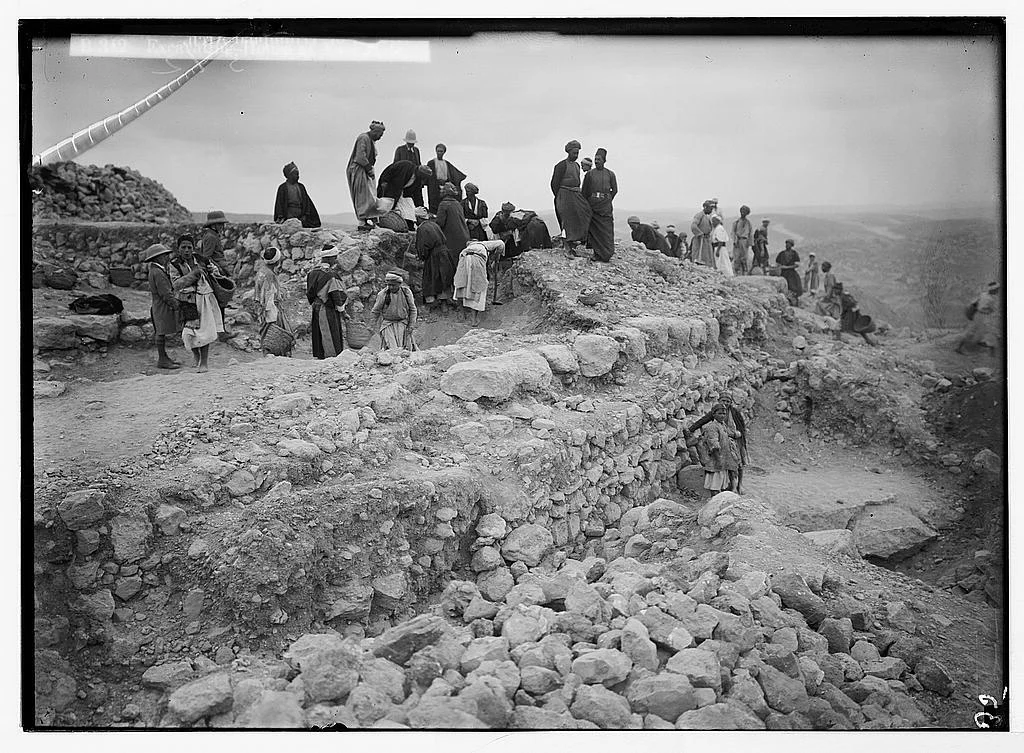
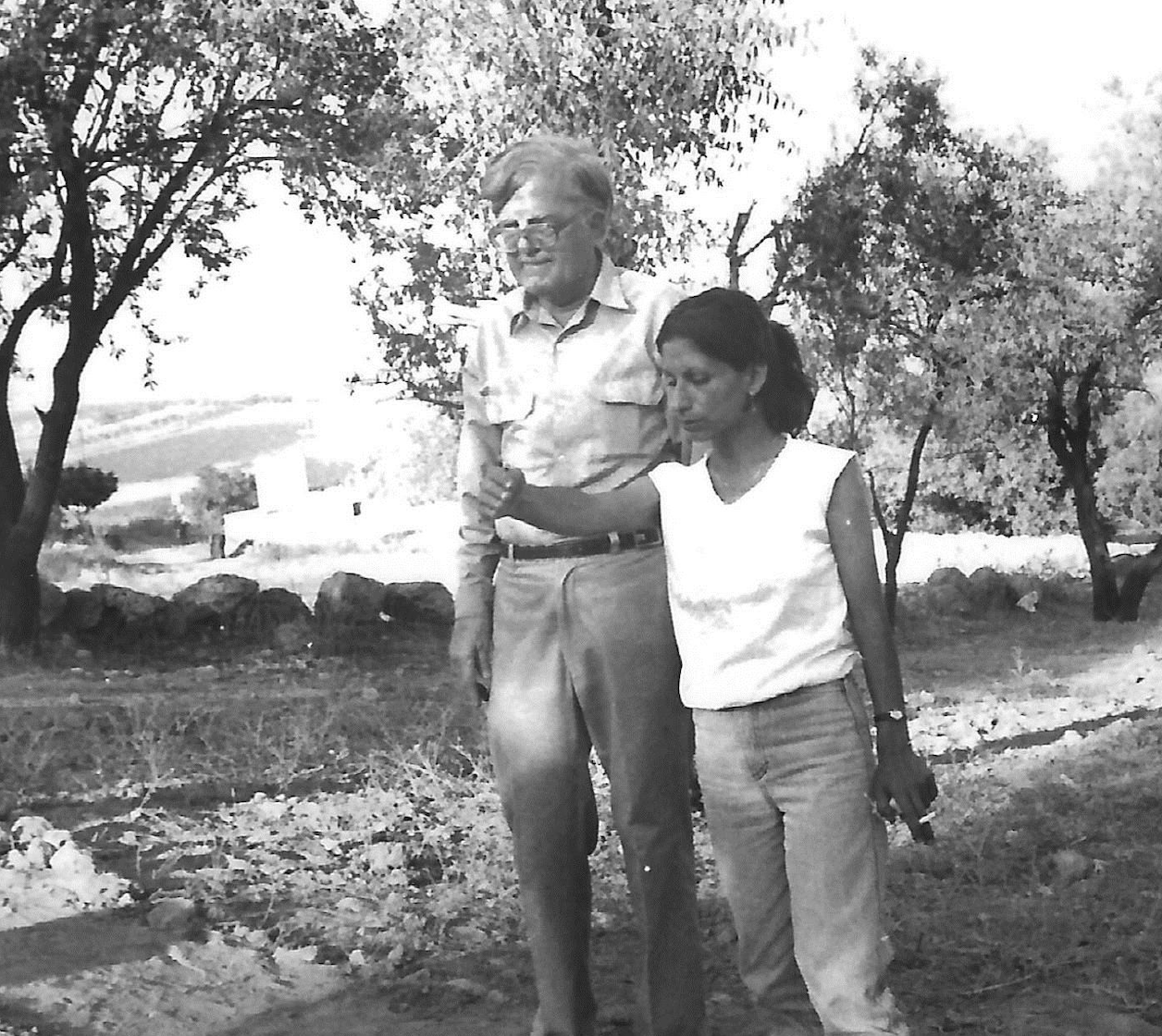
Albert Glock (director of the Institute of Archaeology at Birzeit University and an archaeologist involved in excavations at the Palestinian village of Ti'nnik in the West Bank) with his student, Ghada Ziadeh-Seely. The concept of the recent past in Palestinian archaeology was mainly influenced by their work in Ti'nnik. This is reflected in the shifting archaeological focus from biblical periods to Palestinian traditional villages, from the Ottoman period to the present day. Photograph by Mikell Seely, 2018.
The name you would like to be credited with for your contribution.
The word you wish to contribute
Your email for contact and updates regarding your submission.
The language you are contributing the word in
Maximum file size: 3 MB
Maximum file size: 5 MB
By proceeding, I acknowledge and agree to GloCo's Legal notice and Terms of use
and the Guidelines for Contributors *

Related Words

تعارف / Taarof
Farsi

Taarof describes a reciprocal ritual of politeness between people. It includes declining offers unless it is offered over and over again, making offer...

Embroidery
التطريز (al-taṭrīz) / Embroidery
Arabic
al-tat-REEZ

التطريز هو فن الزخرفة النسيجية الذي يُعتبر من أهم عناصر التراث الفلسطيني، ويتجلى بشكل أساسي في تطريز الثوب الفلسطيني. يحمل التطريز رموزاً ثقافية ودلال...

Tell Beit Mirsim Library of Congress
الأهالي (al-ahālī) / Locals, Indigenous People
Arabic
al-a-HA-lee

الأهالي يشير إلى السكان المحليين الذين ينتمون إلى المكان بروابط تاريخية وثقافية عميقة، ويحملون المعرفة التراثية والذاكرة الجمعية للمجتمع. في السياق ال...

Traditional Palestinian Villages
القرى الفلسطينية التقليدية (al-qurā al-filasṭīniyya al-taqlīdiyya) / Traditional Palestinian Villages
Arabic
al-QU-ra al-fi-las-TEEN-ee-ya al-taq-LEE-dee-ya

القرى الفلسطينية التقليدية هي التجمعات السكنية التي تشكلت عبر قرون من التطور العضوي، وتتميز بعمارتها الحجرية المحلية واستخدام مواد البناء المستخرجة من...

Cultural Landscape
المشهد الحضاري (al-mashhad al-ḥaḍārī) / Cultural Landscape
Arabic
al-MASH-had al-ha-DA-ree

المشهد الحضاري هو المجال المكاني الذي يحمل بصمات التفاعل الإنساني مع البيئة الطبيعية عبر التاريخ، ويشمل العناصر المادية واللامادية للثقافة الفلسطينية....

error: