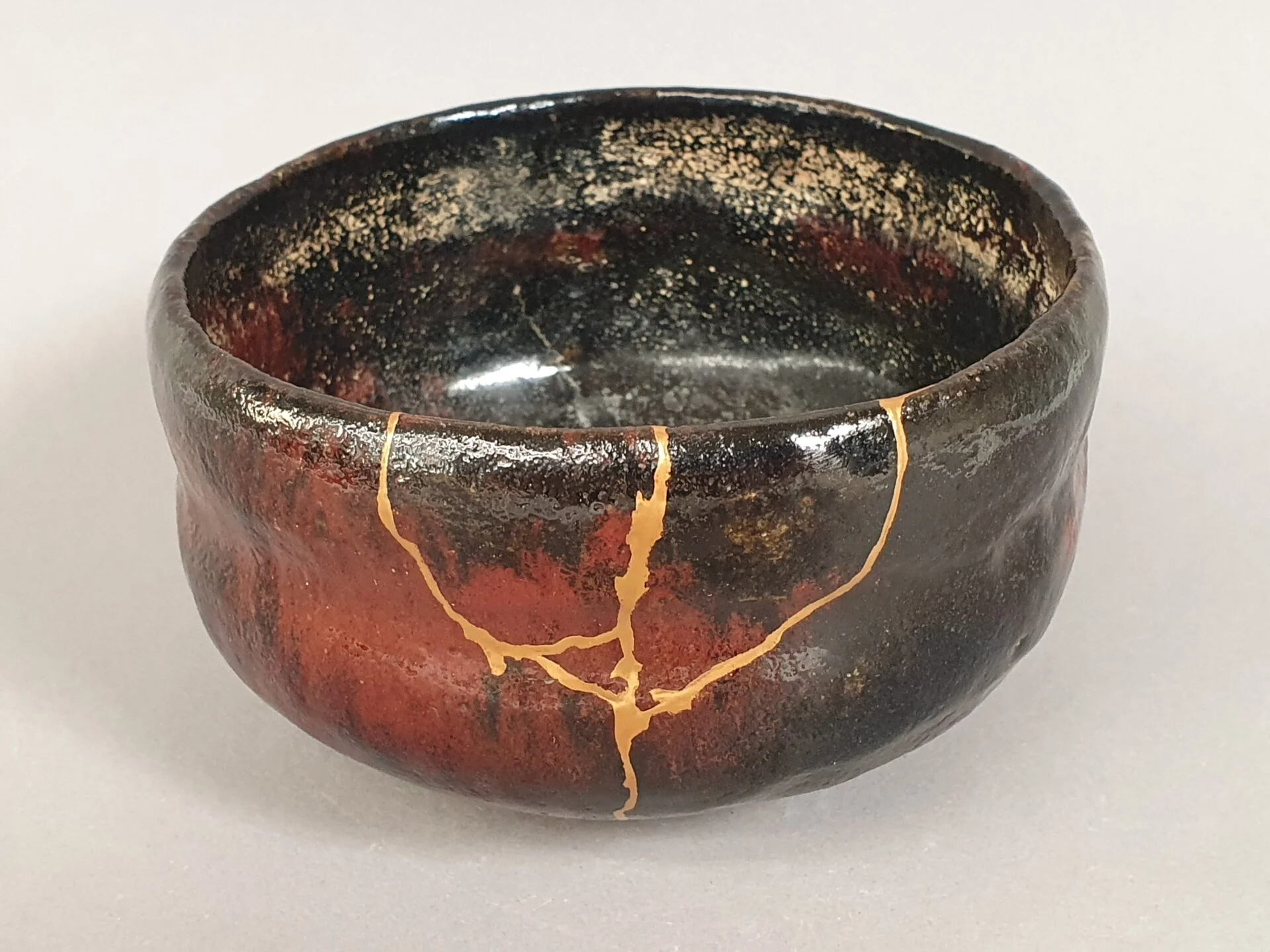
In Chinese, the three terms 修补/xiū bǔ, 修缮/xiū shàn, and 修复/xiū fù all express the idea of making a damaged or incomplete object whole. However, in the field of cultural heritage, they present subtle but significant differences:
修补:
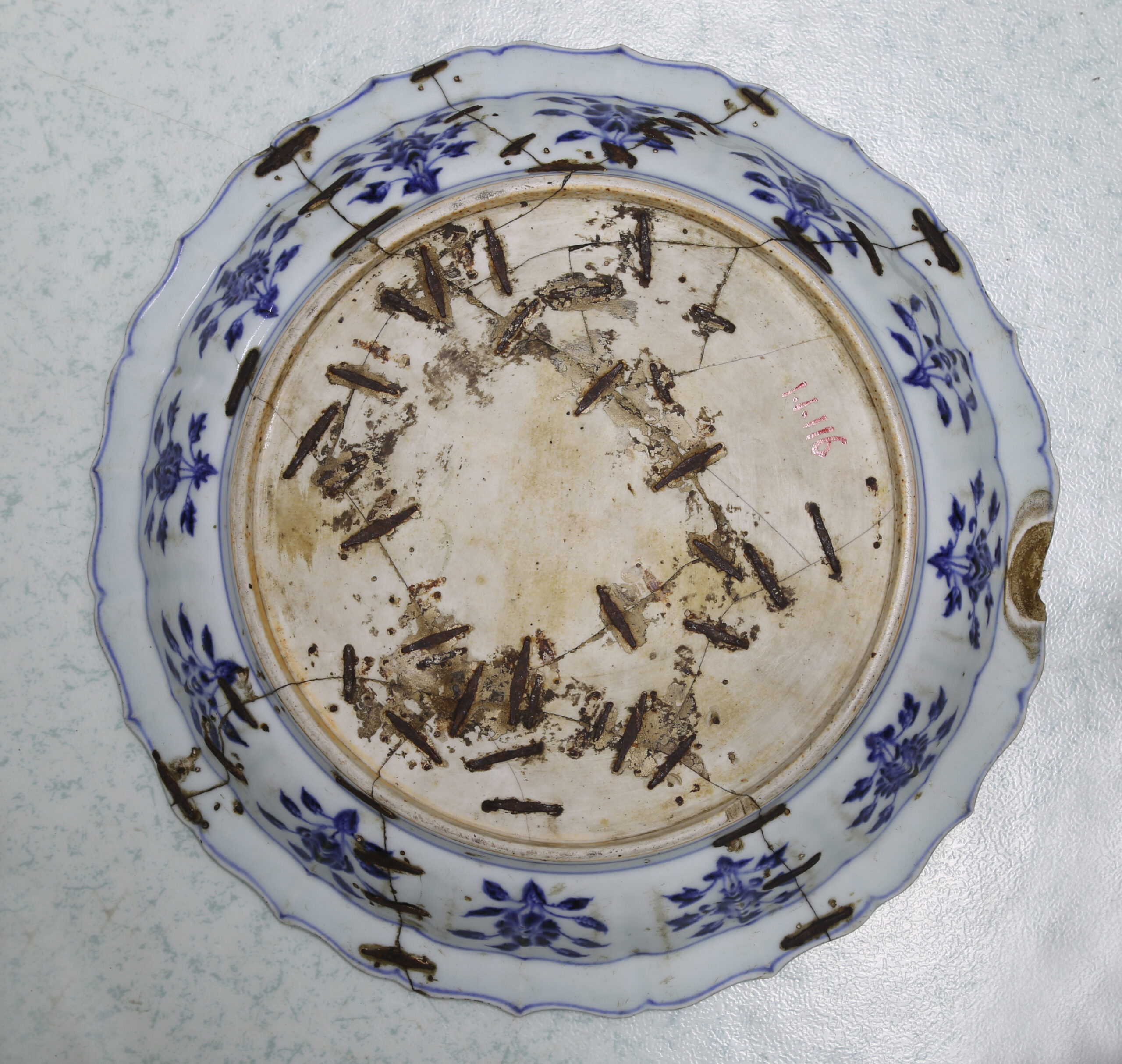
The term 修补 applies primarily to the functional restoration of everyday objects, usually before these objects are considered to have any real historical or cultural value. For example, the 锔瓷/jū cí, a traditional technique for repairing ceramics with metal staples, was originally meant for restoring functionality. In this sense, 修补 emphasizes everyday use value rather than an object’s cultural or artistic character.
修缮:
The term 修缮 implies not only ideas of repairing, but also of updating or improving. For example, in the Biography of Changsun Daosheng (李延寿, 618–970), we learn that the low, rudimentary home of this general of the Northern Wei dynasty (370–27 November 451) was 修缮 following one of his campaigns, by members of his family who also built a pavilion and galleries there. Here, 修缮 is not just a matter of repairing damage, but also involves refreshing and refurbishing.
The word 修缮 is often used to describe the maintenance and upgrading of old buildings. For example, during the Qing dynasty (1644–1911), the government retained the palaces built in the early Ming dynasty but, to meet the aesthetic and cultural needs of the Manchu court, carried out regular maintenance work as well as numerous large-scale 修缮 and renovation operations (郑永华 2020). These interventions, undertaken throughout the Qing period, never ceased, ensuring the functionality of the palaces while illustrating the evolution of artistic styles and cultural fusion.
修复:
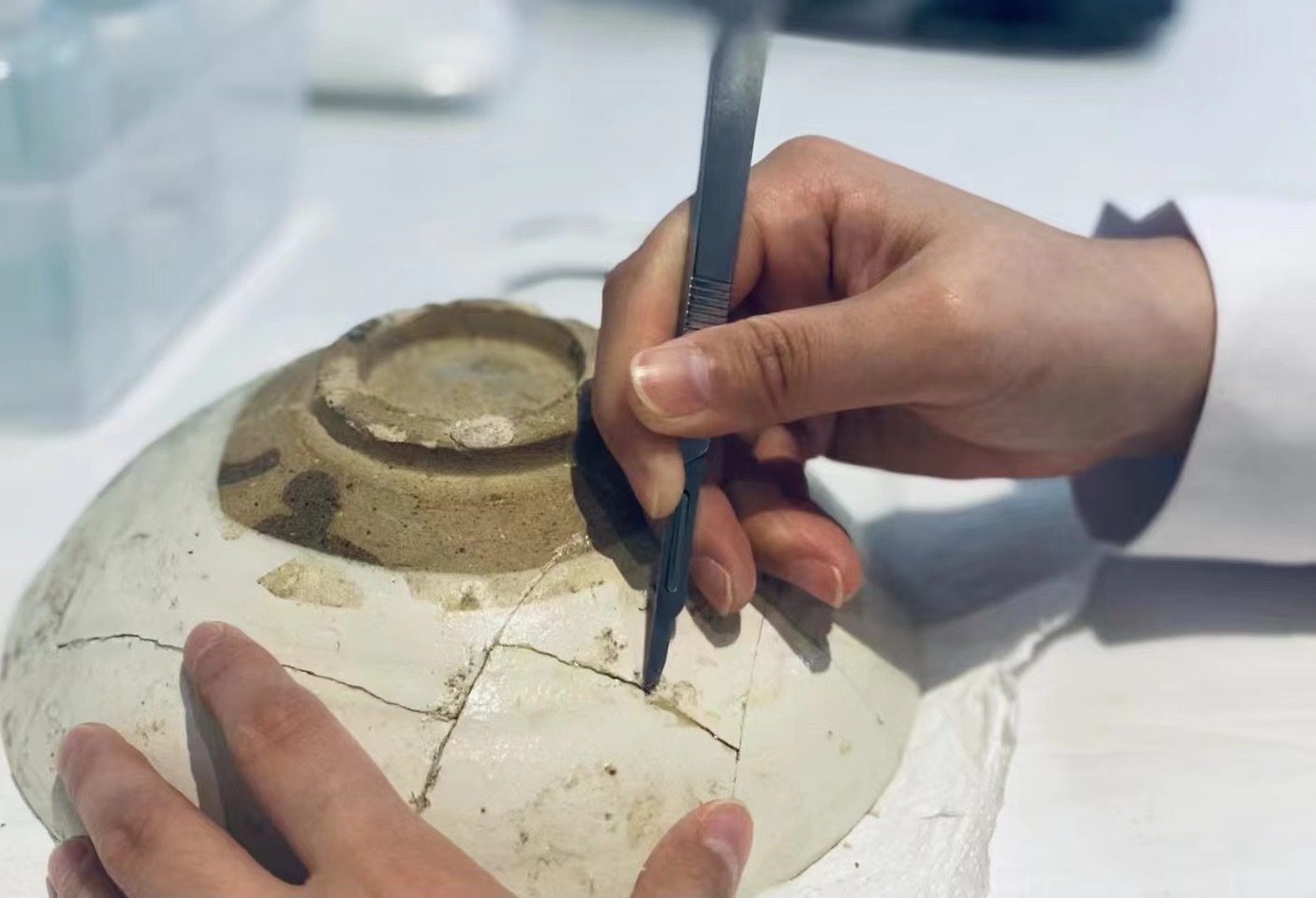
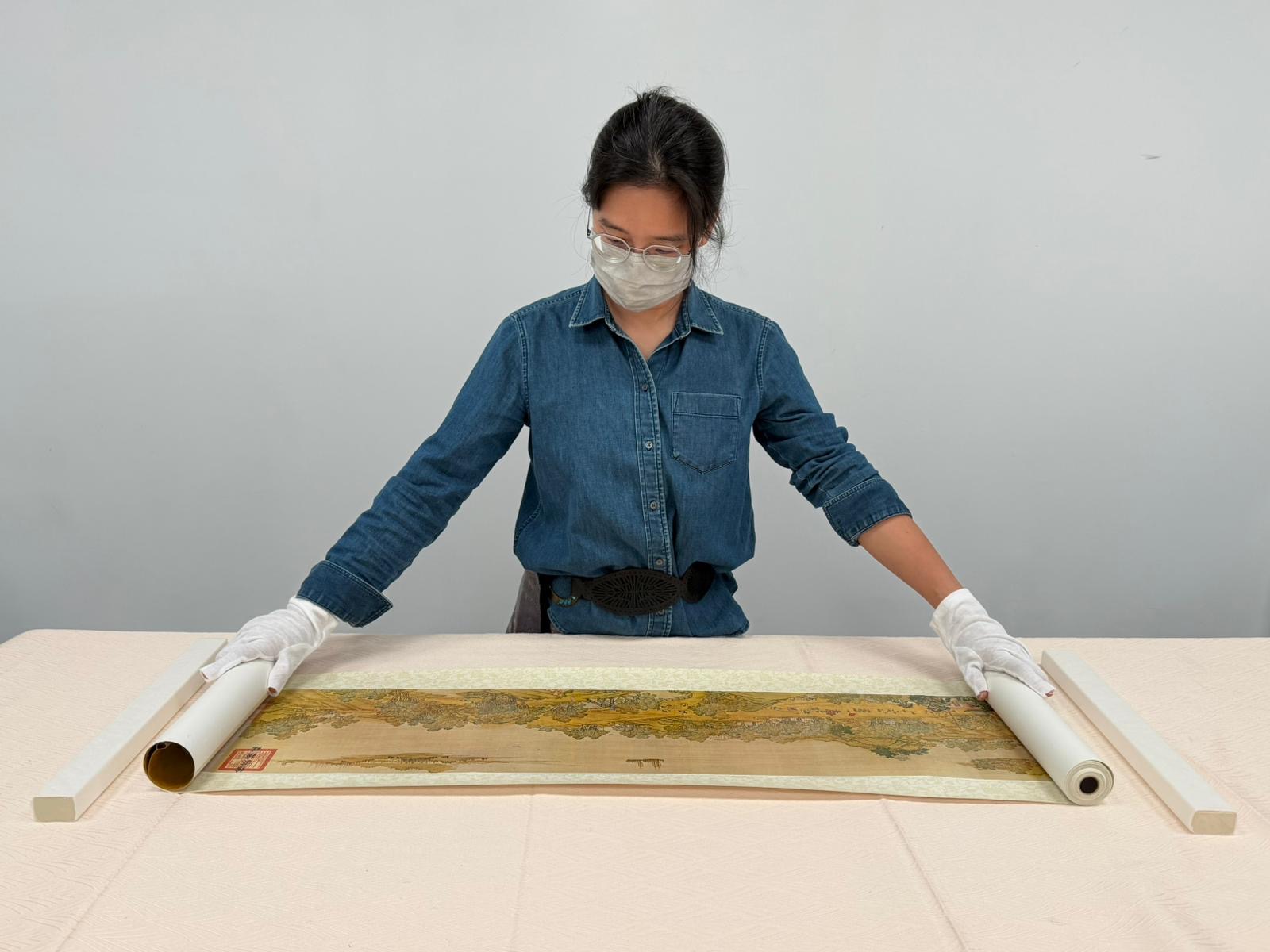
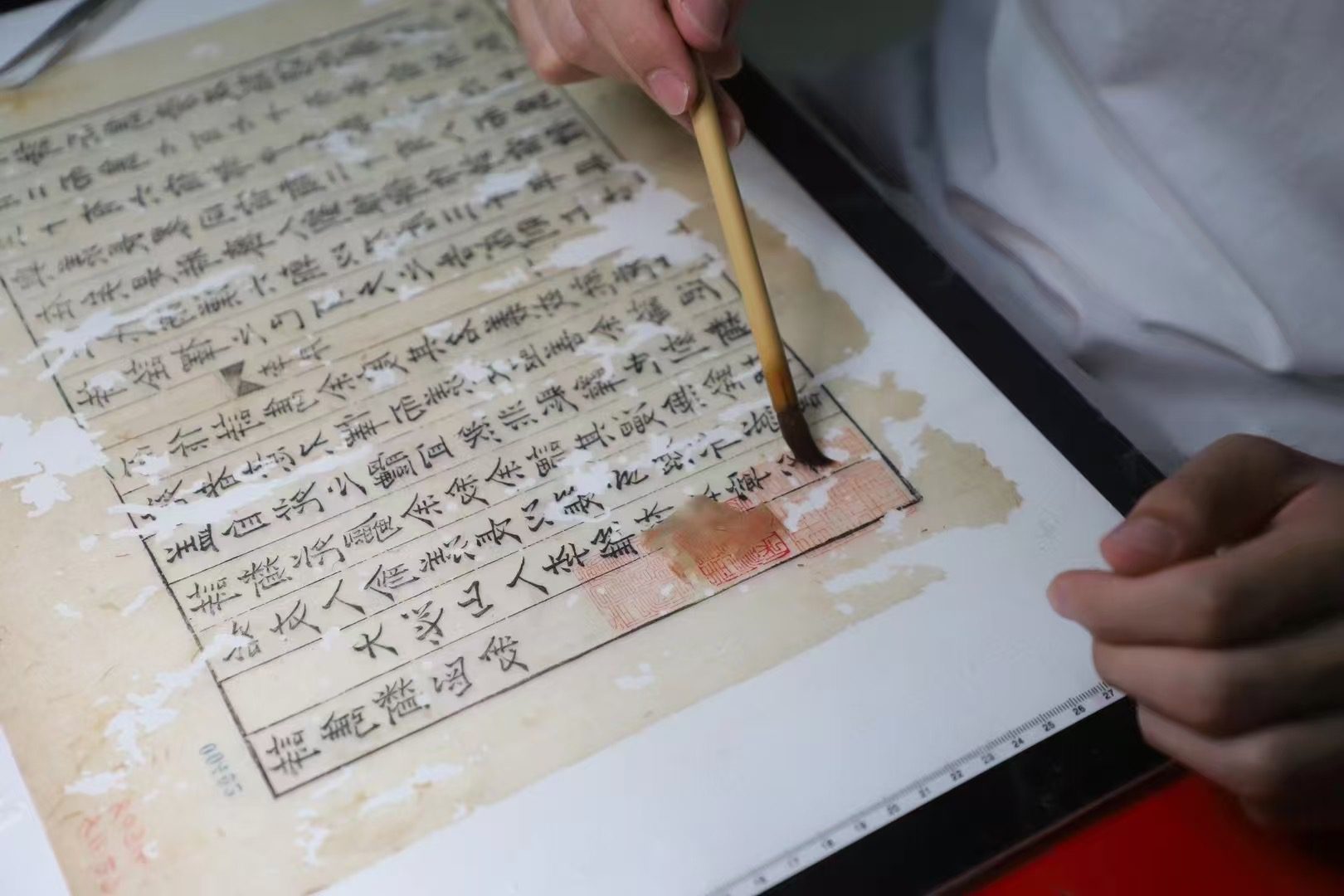
The term 修复 is a specialized concept in the field of contemporary cultural heritage. It is based on modern Western theories of heritage conservation and restoration, and describes the combination of traditional skills with modern techniques to implement physical or chemical restoration measures. The aim of 修复 is to reveal and preserve the original artistic and historical qualities of a heritage asset, to slow down or halt processes of deterioration, and to guarantee the safety and longevity of the restored object. The fundamental principle is to respect the authenticity and integrity of the property, seeking as far as possible to restore it to its original state (李晓东 2005).
Nowadays, in the Law of the People’s Republic of China on the Protection of Cultural Property (中华人民共和国中央政府 2024), the terms 修缮 and 修复 are both used, reflecting professional requirements and legal standards in heritage conservation. 修补, however, is not used as an official term in this field, as it essentially focuses on the restoration of use function rather than the preservation of heritage value.



![Eighteenth-century watercolor drawing of a ceramics repairer in a Beijing street. Source: ‘Streets of Peking: [drawing]. Digitisation of RESERVE OE-55 (A)-4’, volume II © BnF Gallica.](https://glo-co.org/wp-content/uploads/2025/03/锔补_ju_bu.png)