Science divinatoire qui se matérialise sous forme de signes. Ces signes sont appelés « Fâdu et naissent à partir de l’alphabet du Fâ qui est constitué de 16 lettres dont la duplicité d’une même lettre donne un signe » (République du Bénin, 2). C’est donc l’interprétation de ces signes qui permet d’avoir accès au message divin.
Dans le contexte Vodun, le Fâ tire son origine du monde Yoruba. Il est considéré comme le verbe, le message, ou encore la parole du Dieu suprême: « Olodumaré » (République du Bénin, 2) chez les Yorubas, et « Mawu Ségbolissa » (Amouzouvi 2024, 59) chez les Fons. C’est ce verbe qui permet à l’Être suprême de communiquer avec les humains afin de les informer sur la façon dont ils devraient vivre.
Cependant, les humains n’ont pas la capacité d’avoir directement accès à ce message. Ils ne peuvent l’acquérir que par le biais de Orunmila, qui joue le rôle d’intermédiaire.
Divinatory science which materialises in the form of signs. These signs are called “Fâdu and are derived from the fâ alphabet, which is made up of 16 letters, the duplication of which gives a sign” (République du Bénin, 4). Interpreting these signs then provides access to divine messages.
In the Vodun context, Fâ has its origins in the world of the Yoruba. It is considered to be the verb, the message, or the word of the supreme God: “Olodumaré” (République du Bénin, 2) among the Yoruba, and “Mawu Ségbolissa” (Amouzouvi 2024, 59) among the Fon. It is this verb that enables the supreme divinity to communicate with human beings, and through which it can instruct them on how to live. It can only be acquired through Orunmila, who acts as an intermediary.

Amouzouvi, Dodji. Le Vodun présenté à ma fille. Larred, Abomey-Calavi, 2024.
République du Bénin. Abécédaire des Voduns days. Ouidah, 2024.
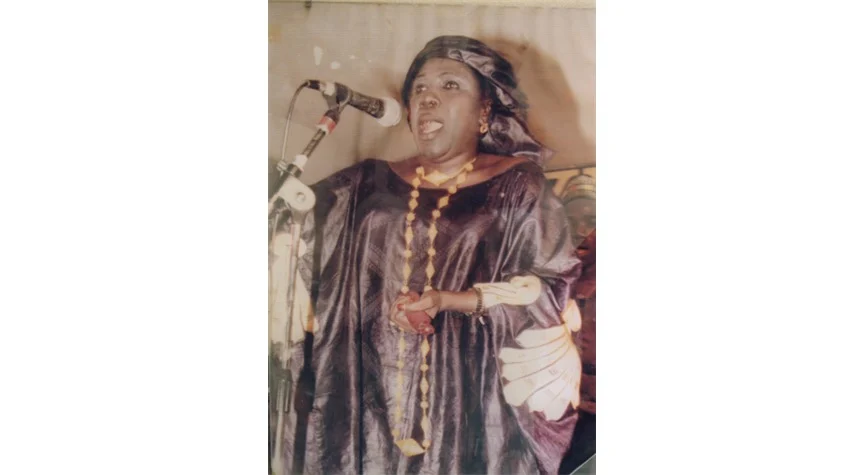
A person whose role is to be a historian, storyteller, poet and musician. They ensure the transmission of culture and oral history by preserving the m...
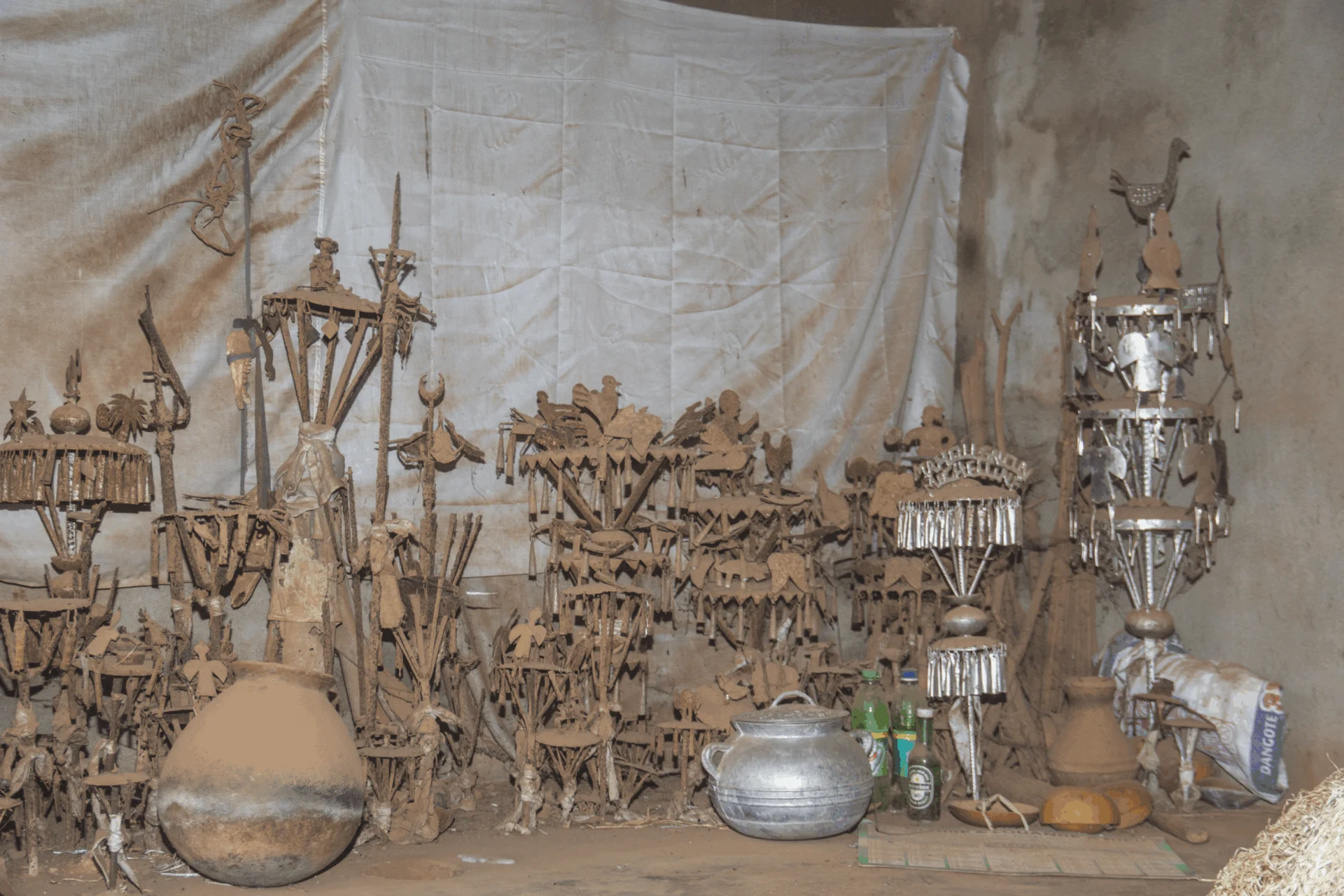
Originellement issu du Fɔ̀ngbè, le terme désigne un autel portatif fait de métal principalement, et réalisé pour commémorer un-e défunt-e qui, de son ...
Bracelet whose name means “metal of the Tchamba,” the tchambaga symbolizes the iron shackles of enslaved people and is used to contact ancestors, as w...
Protective amulet common in Togo and other parts of West Africa in various forms. The term gris-gris is apparently more widespread for protective amul...
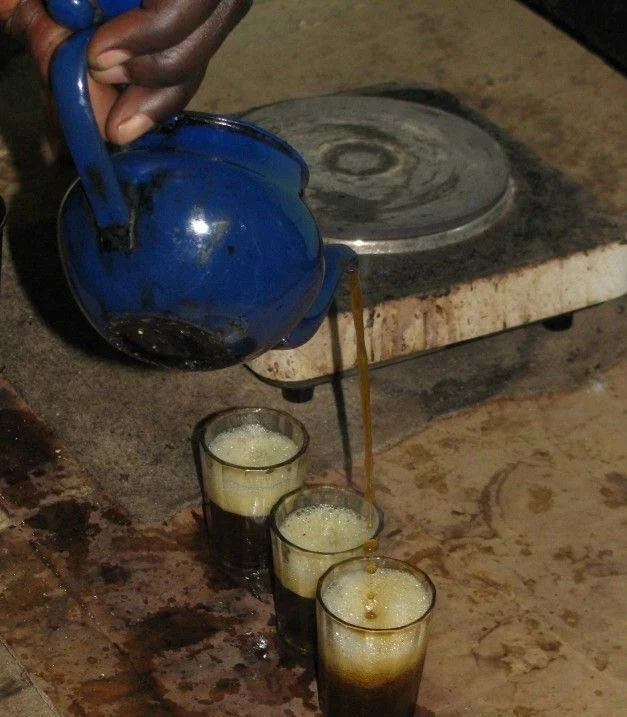
Tea prepared on the ground in a teapot and served in cups. This way of making tea has its roots in the Arab world.
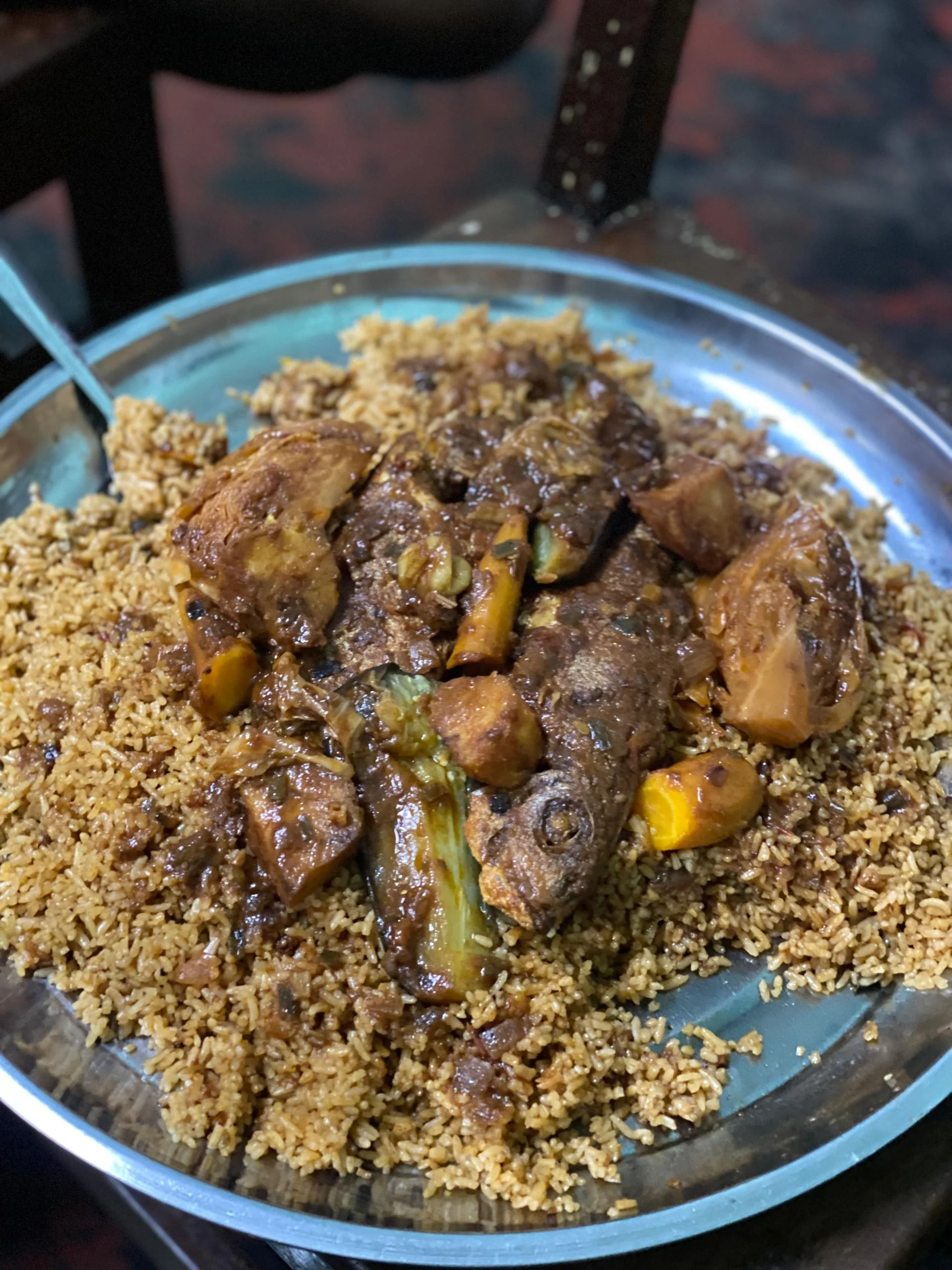
Traditional Senegalese dish with fish, rice, and vegetables. In 2021, the dish was classed by UNESCO as an intangible cultural heritage.
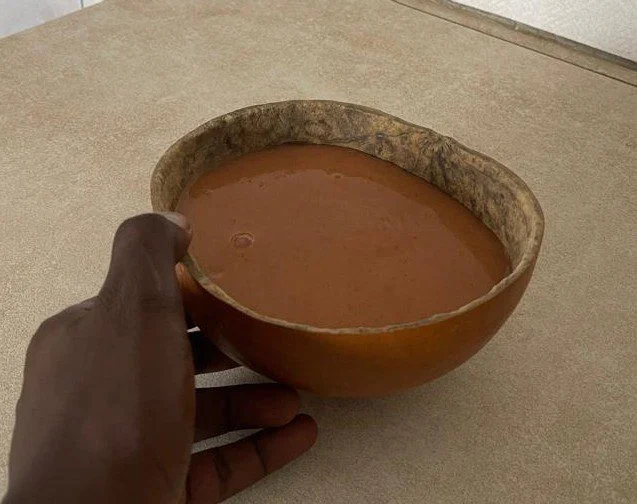
Porridge made with 'Sunguf' cereal flour, such as millet. The term Sunguf is also used to refer to any kind of flour.
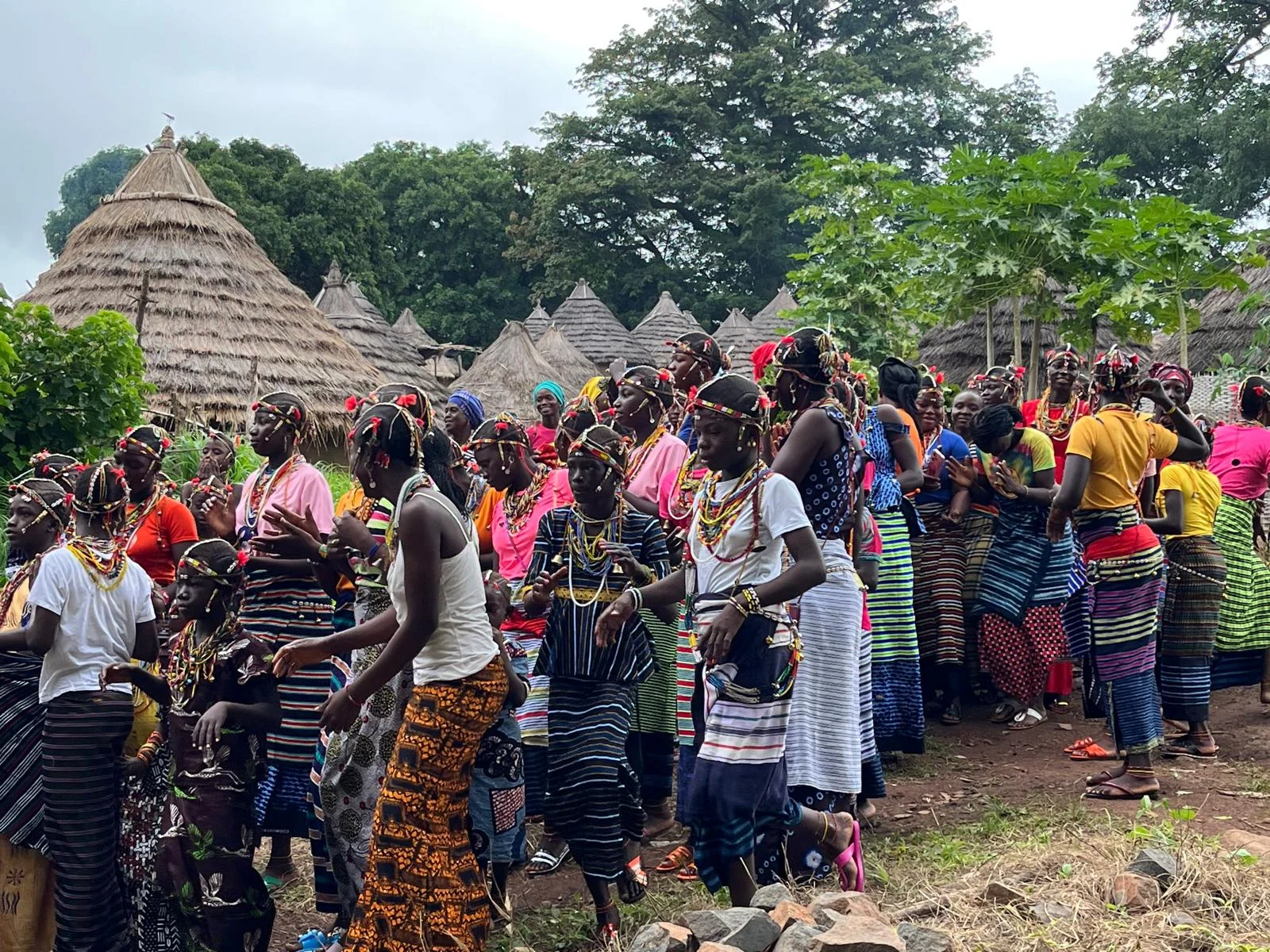
Animist people from the Kédougou region (South-East Senegal). Their religion is subject to stereotypes, as is the case for other religions, such as Vo...
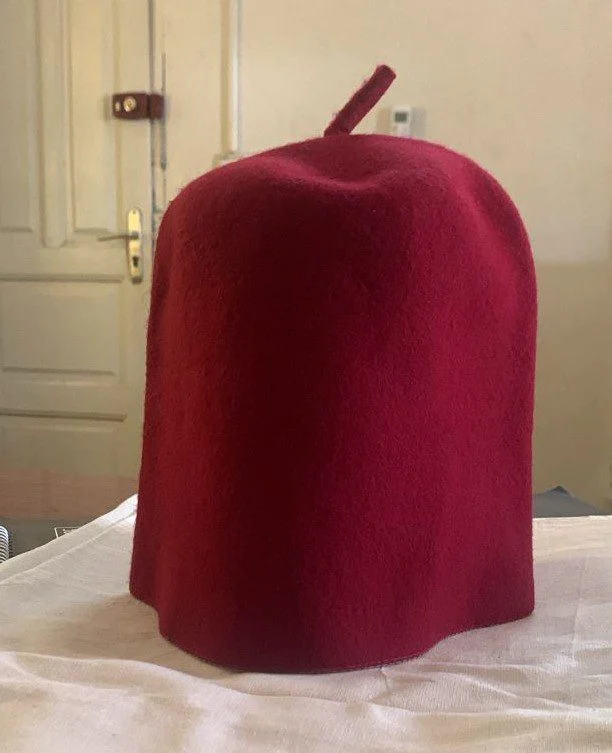
Square cap worn by men and women alike. This word, of North African origin, is rejected by certain Senegalese socio-cultural groups, who use Mbakhana*...
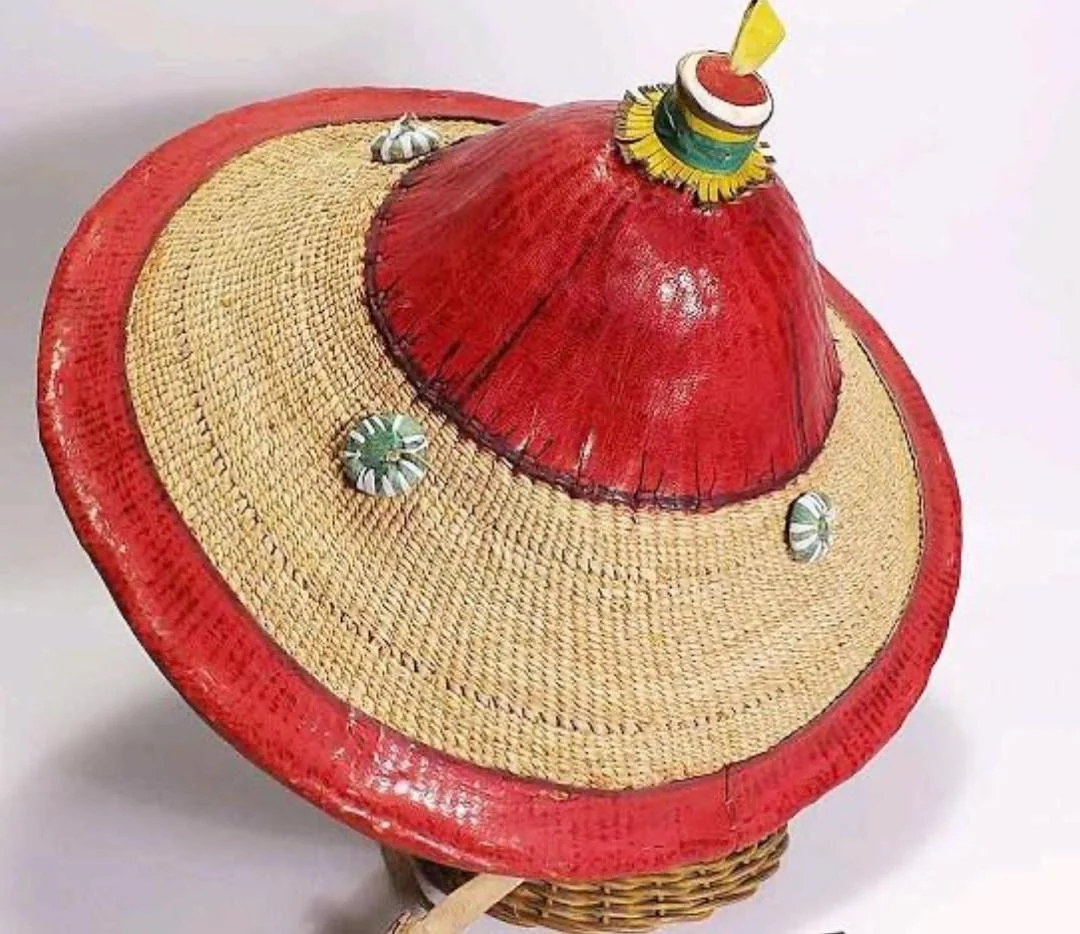
Conical straw hat often used by Fulani people when accompanying their herds.
This website uses strictly necessary cookies to function. We would also like to use functional and analytical cookies to improve your experience. You can choose to accept or decline.