Aguda

Language: Portuguese

Description

Héritage conceptuel de la traite négrière transatlantique qui fait allusion aux Afro-Brésilien-ne-s en Afrique. De façon générale, il désigne les descendant-e-s de tous celles et ceux qui ont pratiquement été impliqué-e-s dans la traite négrière, que ce soient les marchands d’esclaves ou les personnes asservies en question. On les retrouve en majorité dans des endroits qui constituaient les anciens comptoirs négriers ou encore où le commerce des esclaves était en effervescence. C’est le cas des villes Ouidah, Aného, et Porto-Novo au Bénin, Lomé, Accra, et Lagos au Togo, au Ghana, et au Nigéria.

Ayari nomme Aguda des personnes appartenant à l’une des catégories suivantes :

  • Descendant-e-s de commerçants brésiliens, portugais, français, ou anglais;
  • Descendant-e-s d’affranchi-e-s dit-e-s retornados, revenu-e-s du Brésil au 19ème siècle;
  • Descendant-e-s de personnes asservies et apparenté-e-s aux familles afro-brésiliennes par adoption ou par alliance. (Ayari 2020, 30)
Read more

Conceptual legacy of the transatlantic slave trade concerning Afro-Brazilians in Africa, Aguda refers to the descendants of anyone practically related to the transatlantic slave trade, whether as traders or enslaved people themselves. Most Agudas live in places that were once slave trading markets or where the slave trade thrived. This is the case for places such as Ouidah, Aného, and Porto-Novo in Benin, and Lomé, Accra, and Lagos in Togo, Ghana, and Nigeria respectively.

Specifically, people belonging to one of the following categories may be referred to as Agudas:

1. Descendants of Brazilian, Portuguese, French, or English traders;
2. Descendants of freed people known as retornados, who returned from Brazil in the nineteenth century;
3. Descendants of enslaved people who are related to Afro-Brazilian families, whether through adoption or alliance. (Ayari 2020, 30)

Ayari-de Souza, Rachida. “Les afro-brésiliens Aguda et la question de l’esclavage.”, dans: Kadya Tall et Romuald Tchibozo (eds.), Circulations et Productions Cultu(r)elles dans l’Atlantique Sud, Les Editions des Diasporas, Cotonou, 2020, 29–44.

Date of entry: January 20, 2025
The name you would like to be credited with for your contribution.
The word you wish to contribute
Your email for contact and updates regarding your submission.
The language you are contributing the word in
Maximum file size: 3 MB
Maximum file size: 5 MB
By proceeding, I acknowledge and agree to GloCo's Legal notice and Terms of use
and the Guidelines for Contributors *

Related Words

IMG-20250912-WA0010
Géwél
Wolof

A person whose role is to be a historian, storyteller, poet and musician. They ensure the transmission of culture and oral history by preserving the m...

Asɛn
Asɛn
Fɔ̀ngbè

Originellement issu du Fɔ̀ngbè, le terme désigne un autel portatif fait de métal principalement, et réalisé pour commémorer un-e défunt-e qui, de son ...

tchambaga
Ewe
tcham-ba-ga

Bracelet whose name means “metal of the Tchamba,” the tchambaga symbolizes the iron shackles of enslaved people and is used to contact ancestors, as w...

Tila
Tila
Ewe
Ti-la

Protective amulet common in Togo and other parts of West Africa in various forms. The term gris-gris is apparently more widespread for protective amul...

Ataya
Ataaya
Wolof

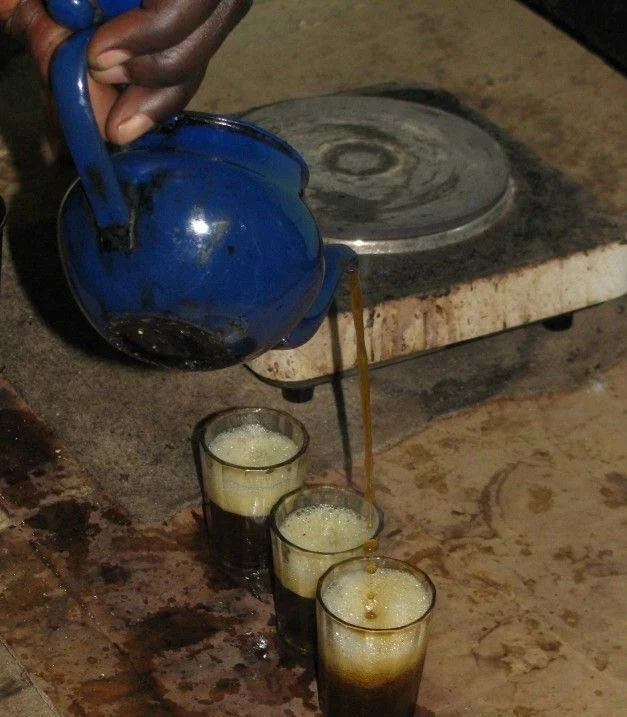
Tea prepared on the ground in a teapot and served in cups. This way of making tea has its roots in the Arab world.

Ceebu jën
Ceebu jën
Wolof

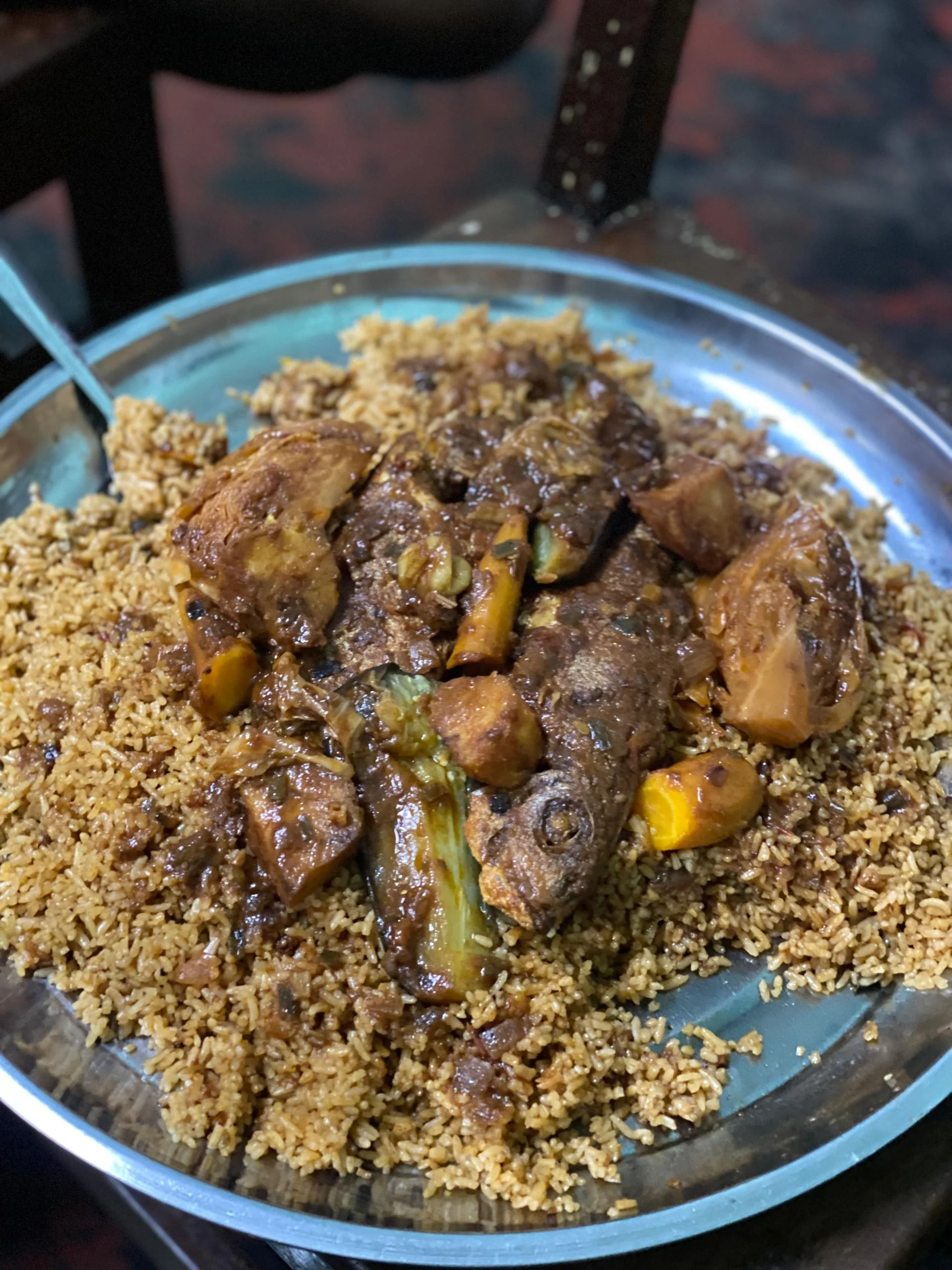
Traditional Senegalese dish with fish, rice, and vegetables. In 2021, the dish was classed by UNESCO as an intangible cultural heritage.

Rouye
Ruy
Wolof

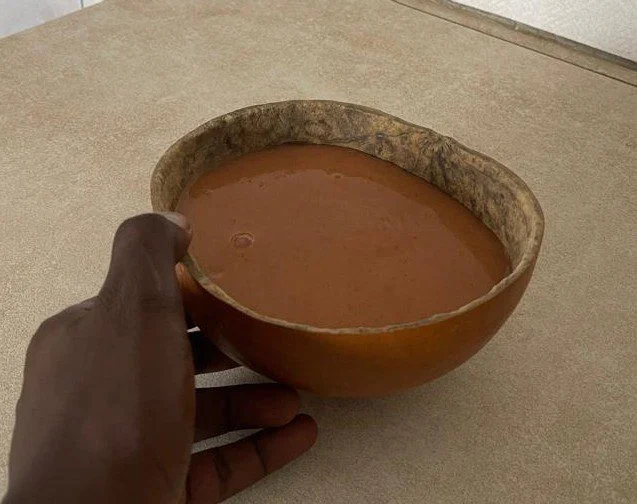
Porridge made with 'Sunguf' cereal flour, such as millet. The term Sunguf is also used to refer to any kind of flour.

IMG-20250827-WA0037
Bassari
Wolof

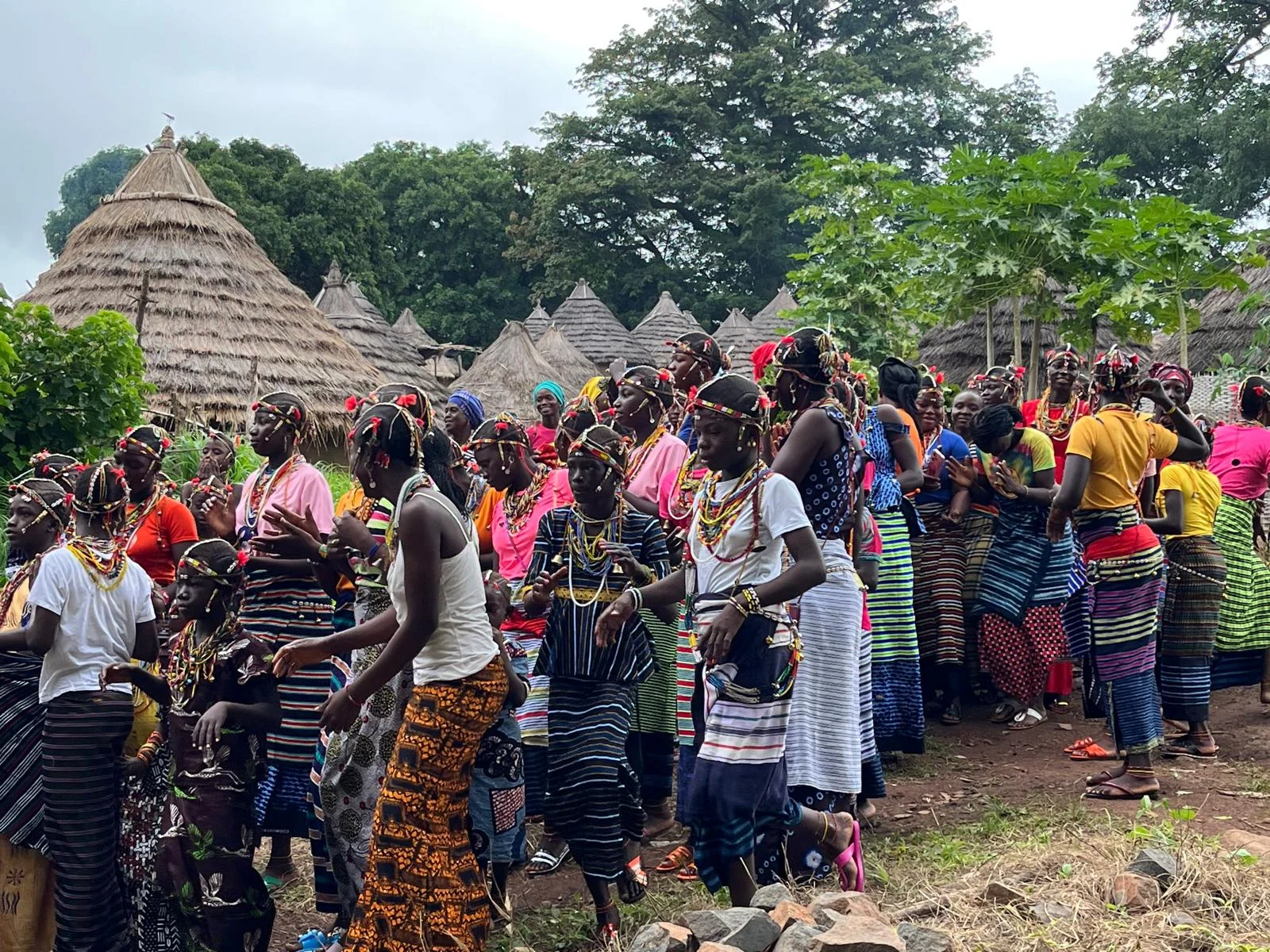
Animist people from the Kédougou region (South-East Senegal). Their religion is subject to stereotypes, as is the case for other religions, such as Vo...

Chéchia
Chéchia
Wolof

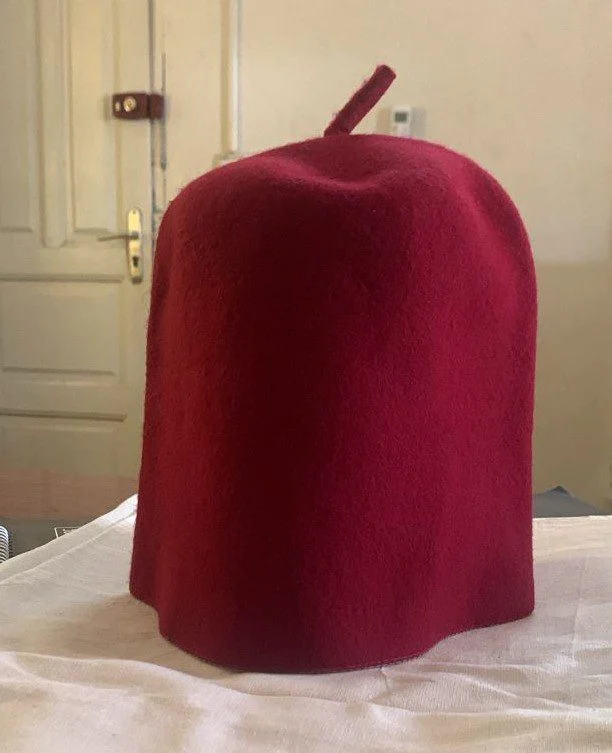
Square cap worn by men and women alike. This word, of North African origin, is rejected by certain Senegalese socio-cultural groups, who use Mbakhana*...

Tenguadé
Tenngaade
Wolof

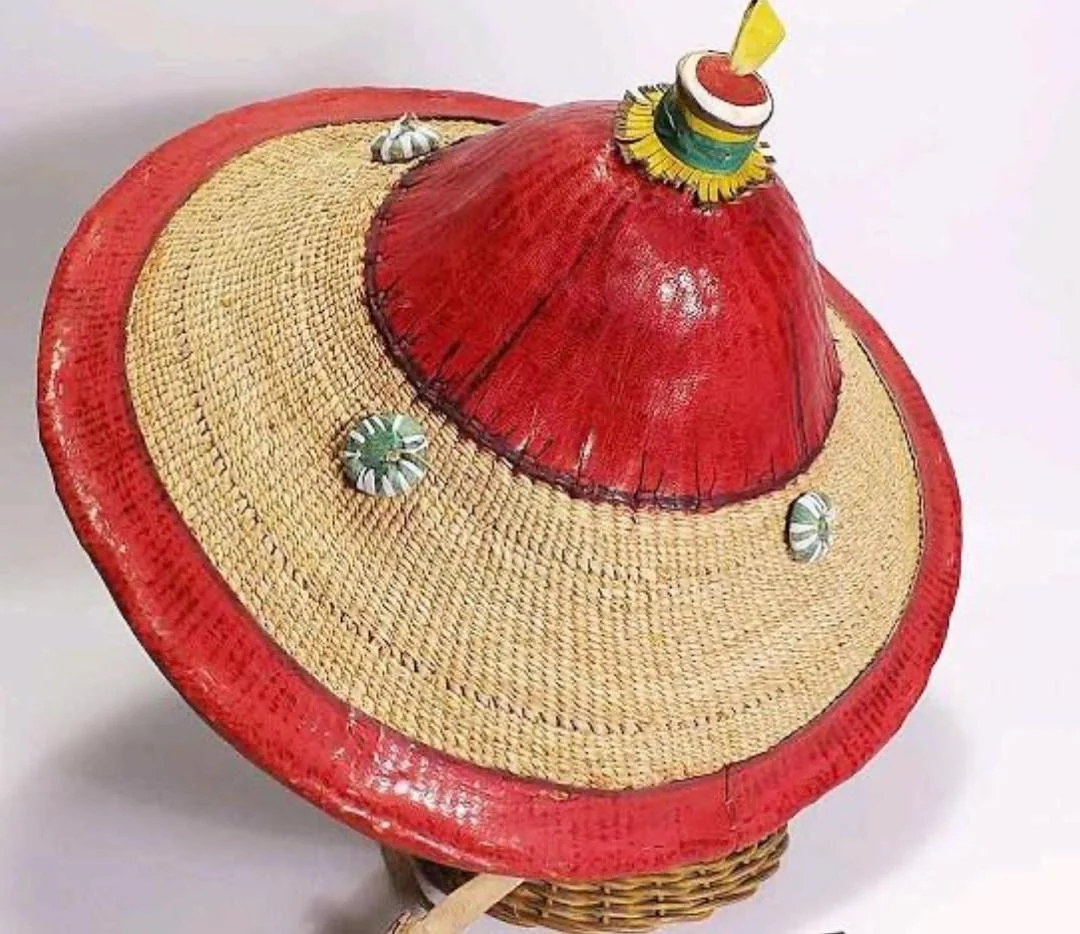
Conical straw hat often used by Fulani people when accompanying their herds.

error: