The GloCo logo has the letters GLOCO all capitalised in black. The letters GLO are in bold and the letters CO are in italics.

Mariama de Brito Henn holds a BA in Costume Interpretation from the University of Arts London, UK, and an MA in Art History from the Ludwig-Maximilian-University Munich, Germany. Her master’s thesis concentrated on textiles from colonial contexts, specifically headpieces from Cameroon, part of the museum Fünf Kontinente collection in Munich. Between 2021 and 2023, she worked at the Staatliche Textil- und Industriemuseum Augsburg, Germany, curating multiple exhibitions. Her research delves into the significance of textiles and fashion in colonial contexts, with a particular emphasis on the black diaspora in the Americas and the Caribbean.

Contributions

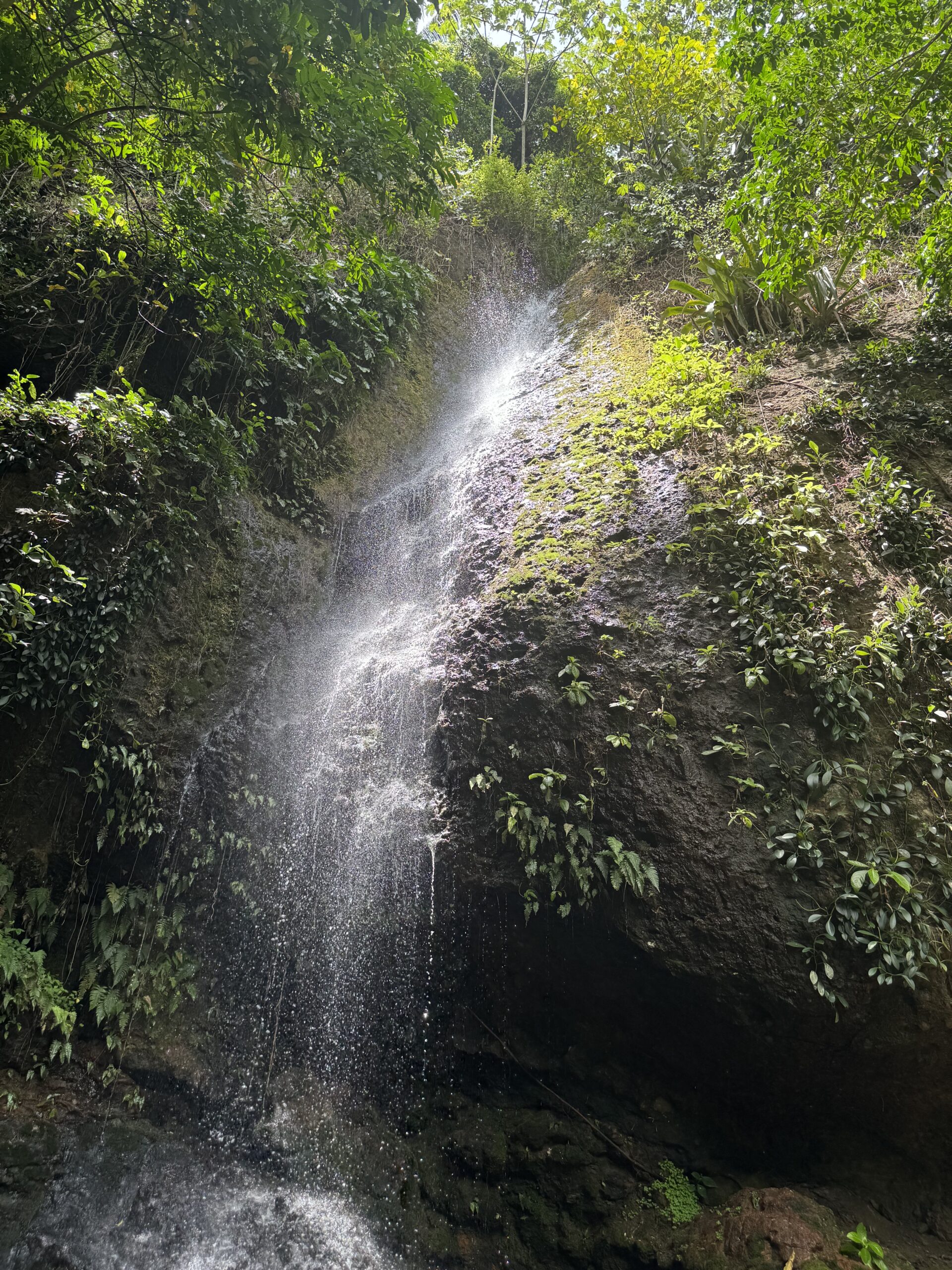
Waterfall Shrine for Oxumaré
Axé/Ashé/Aṣẹ
Yoruba
aˈʃɛ

Axé is the concept that every being and thing intrinsically has axé, which was bestowed on them by Olódùmarè, the central god of the Yoruba people. Th...

IMG_2610
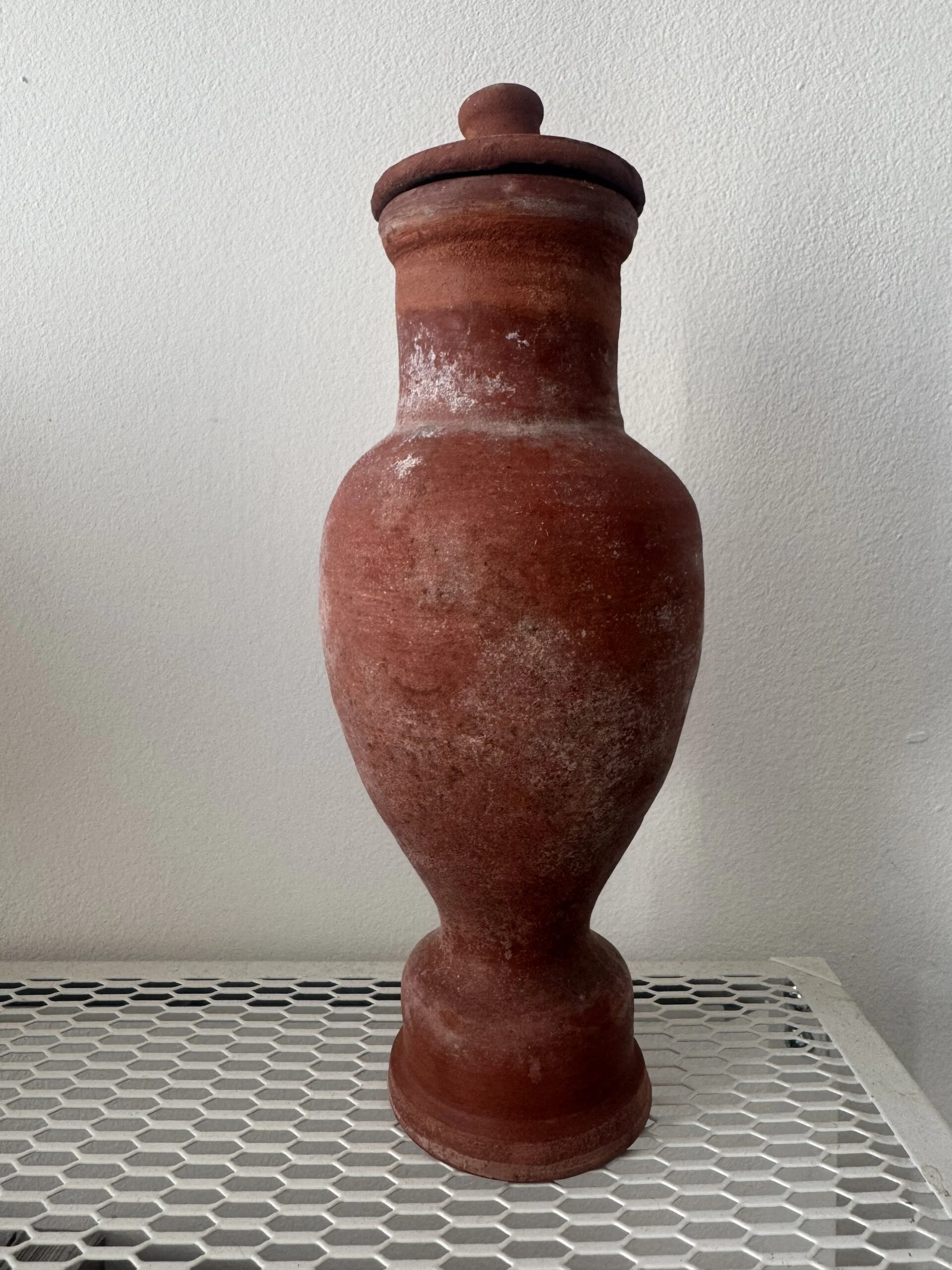
Quartinha de Barro
Portuguese / Candomblé

Quartinhas are little jars of clay or crockery which can be found in terreiros (temples) or private shrines for the Orishas. They serve as a vessel fo...

IMG_1877 4
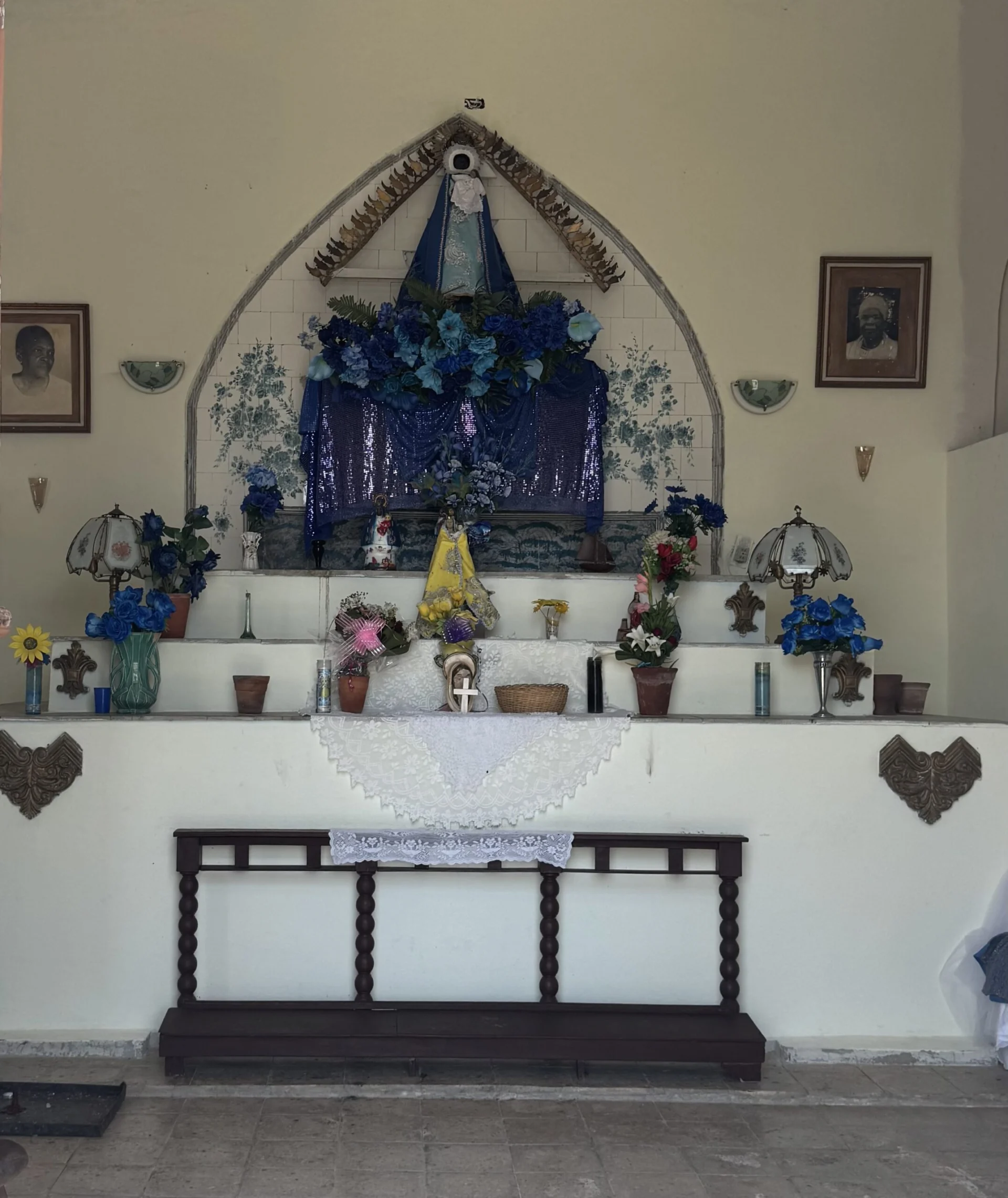
Nuesta Señora de Regla / Yemayá
Spanish / Santería

In the neighbourhood of Regla, right at the harbour, is the church of Nuestra Señora de Regla (Our Lady of Regla). The church is dedicated to the Virg...

IMG_2611
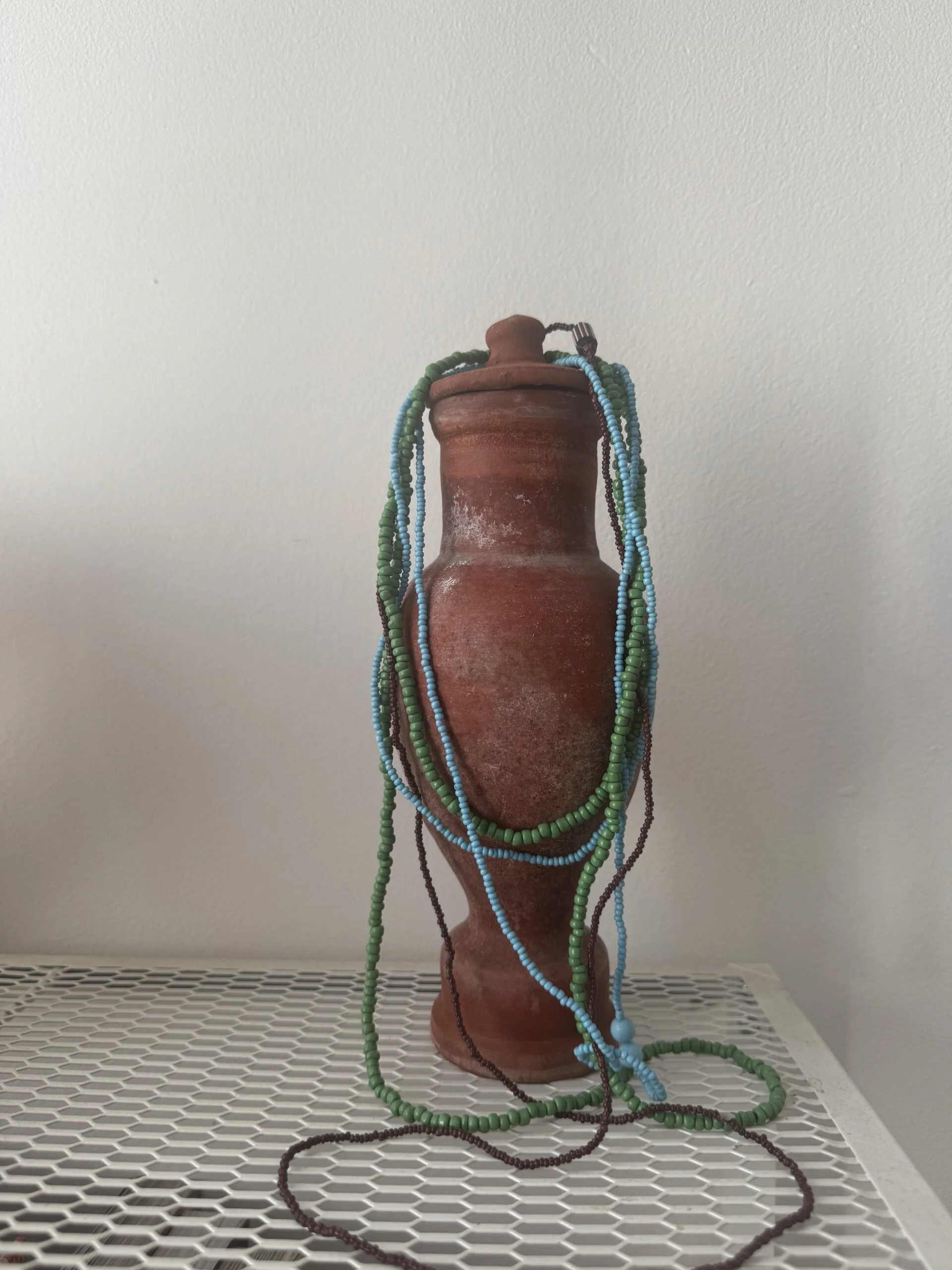
Fios de contas
Portuguese

Fios de contas are beaded necklaces worn by practitioners of Candomblé. These necklaces form an important part of their initiation and connection to t...

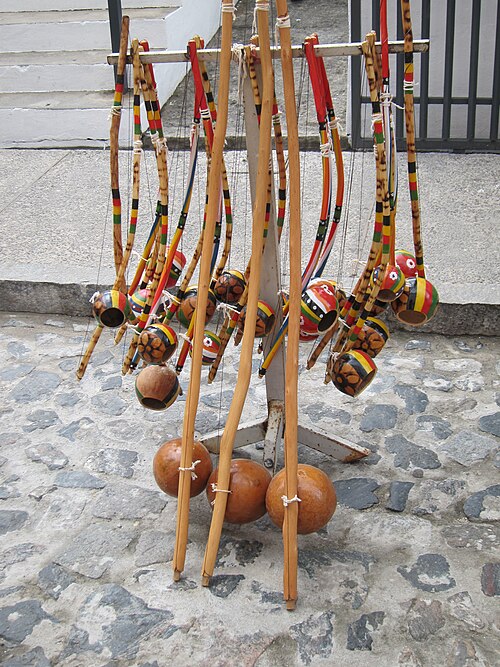
Berimbau_being_sold_on_the_street_in_Salvador,_state_of_Bahia,_Brazil
Berimbau
Portuguese (Brazil)
beɾĩˈbaw

The Bermibau is one of the central instruments of Capoeira, a Brazilian martial art. Its origin can be traced back to Angola. This instrument, made wi...

error: