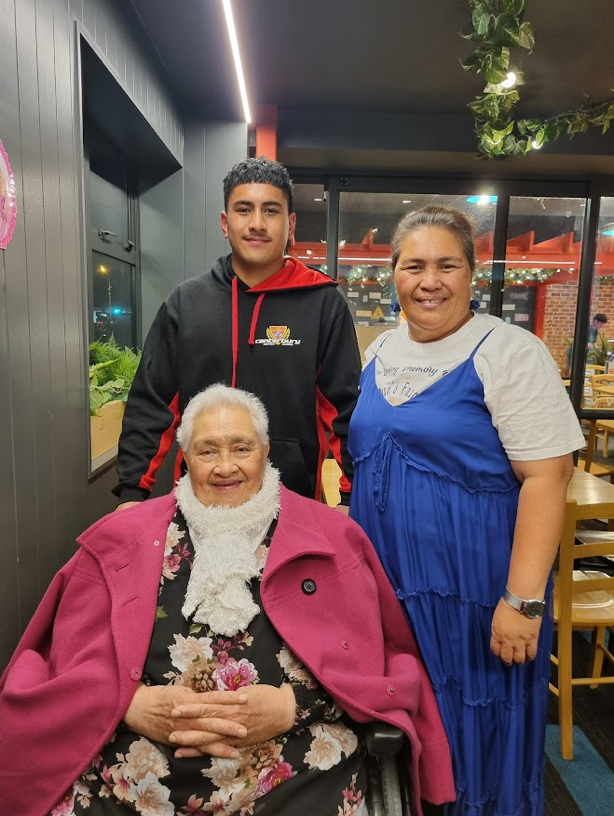
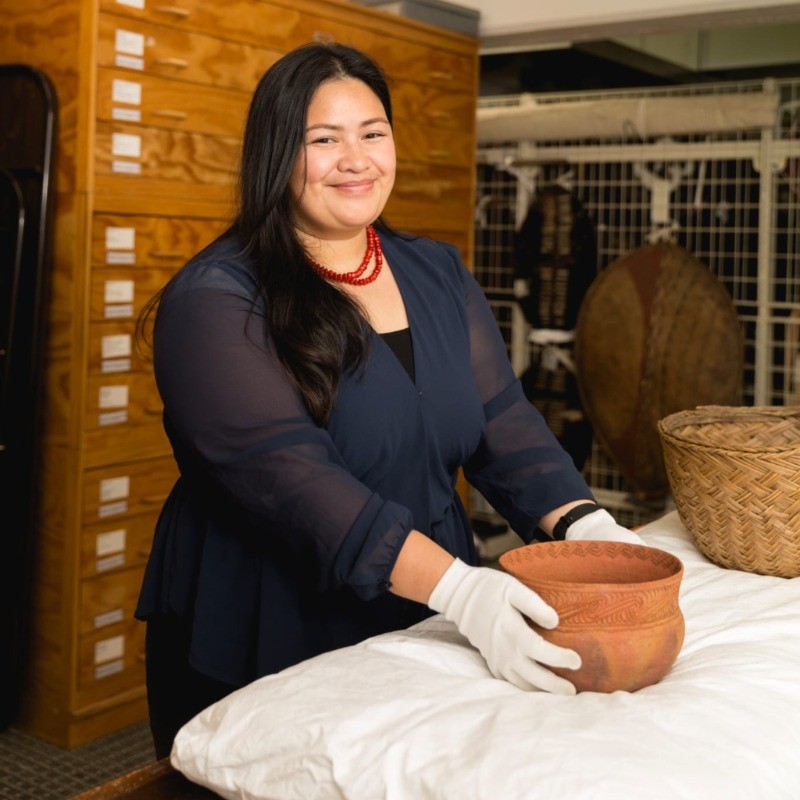
Ruby Satele, from Sāmoa and Aotearoa NZ, is a PhD candidate and University Assistant (Pre-Doc) on the Global Conservation Project: Histories and Theories (GloCo) at the University of Vienna. Her research focuses on the rematriation of ancestors from Sāmoa. She also has extensive experience in museum work.

Contributions

Mana
Pacific

Mana often refers to spiritual power or sacred force, and is normally held by and within people, belongings, land, culture, and much more. Mana is inh...

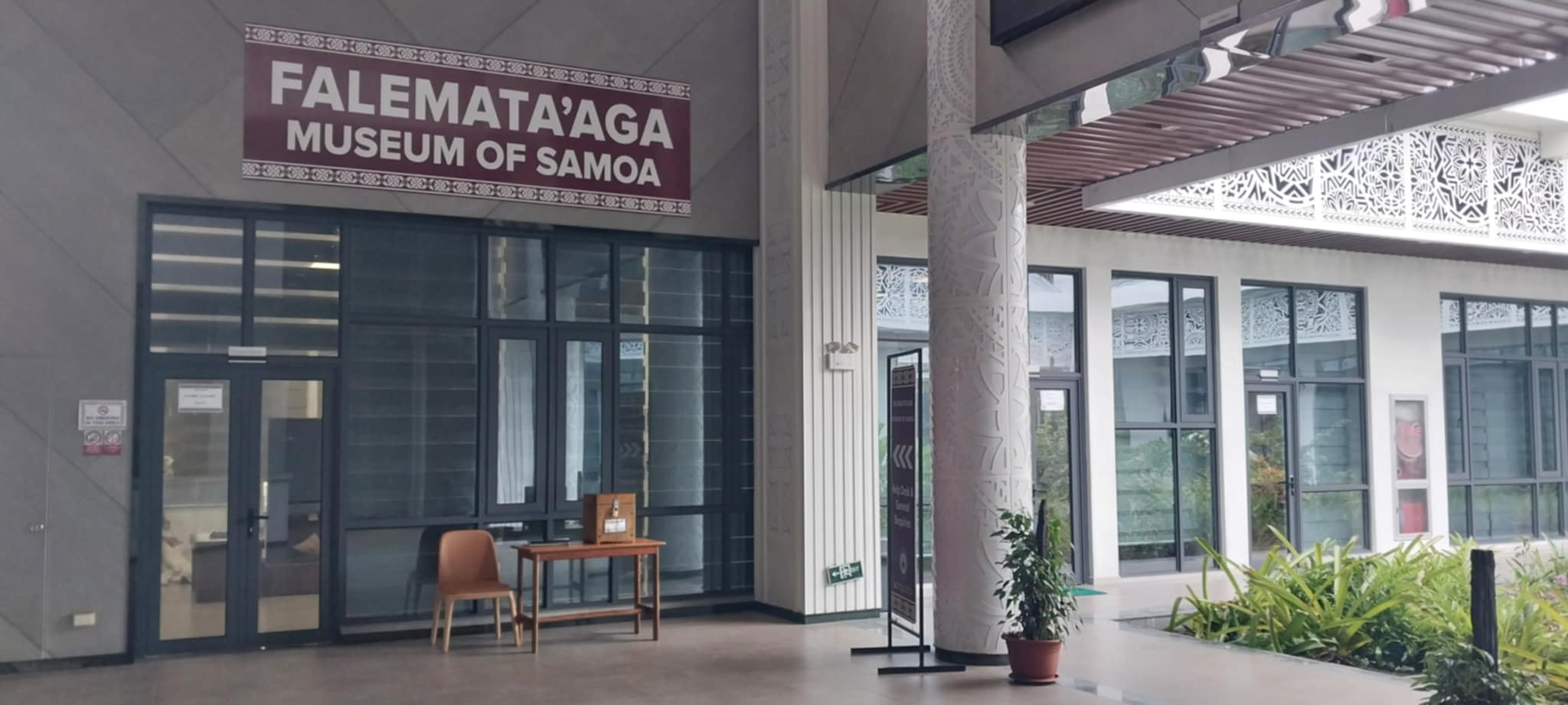
falemataaga
Falemata’aga
Samoan
fa-le-ma-ta-‘ā-nga

Made up of the words fale (house) and mata’aga (site to explore), falemata’aga is a Samoan term for museum, gallery, and other institutions for touris...

20221117_221636
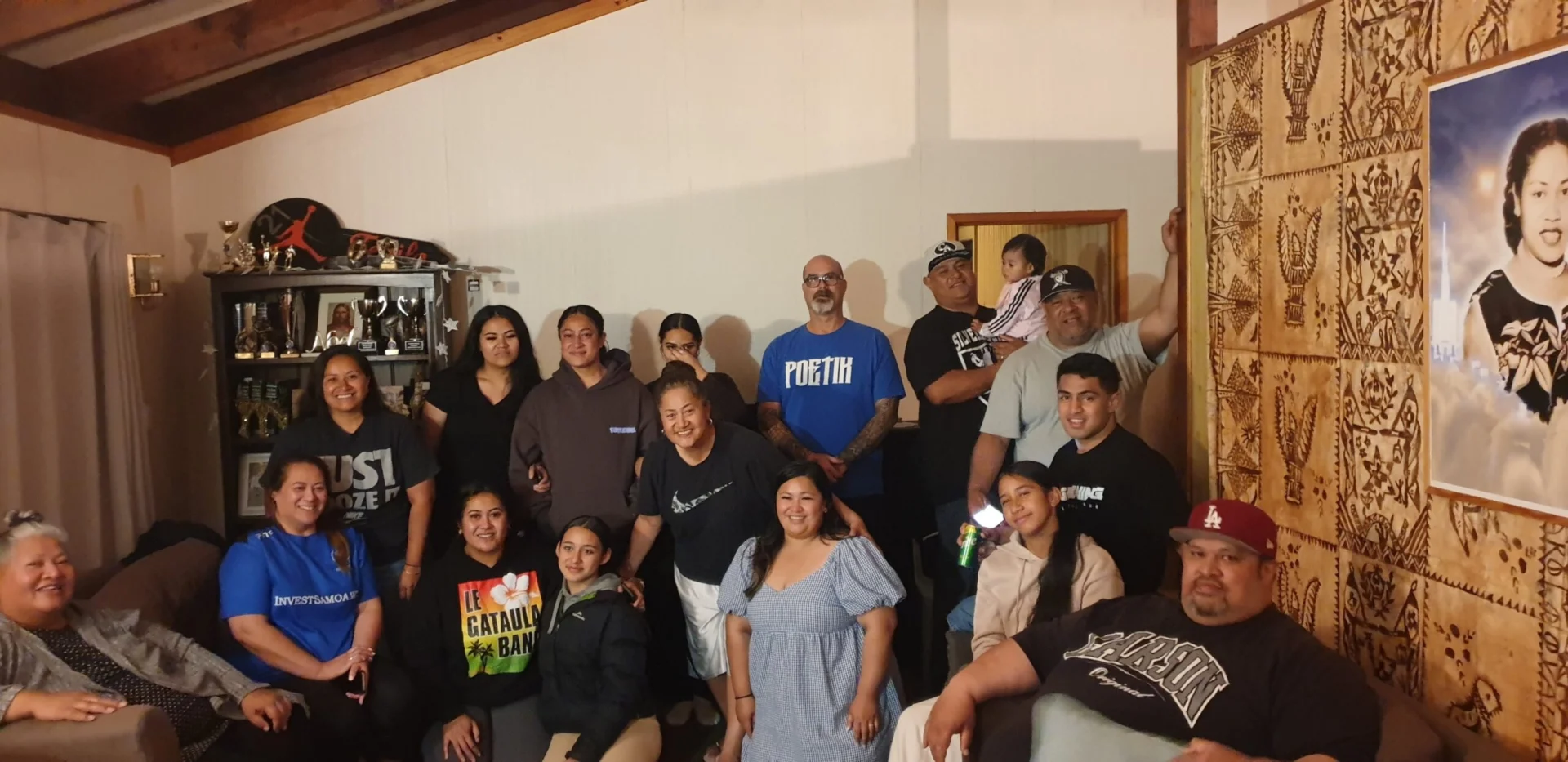
‘Aīga
Samoan
‘a-ī-ga

Kin. Family. This word is applied to the unit of extended family and within. In formal conversations, it can also be used to refer to your spouse.

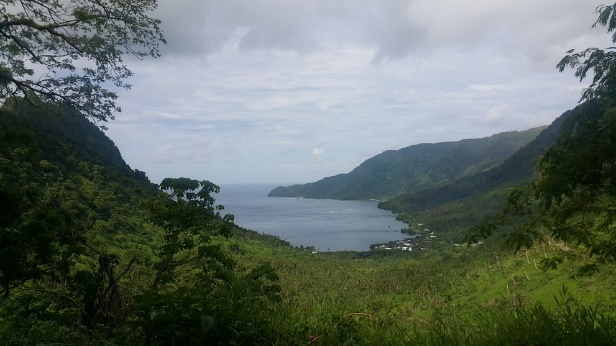
fanua
Fanua
Samoan
fa-nu-a

As the lecturer and educator Dr. Niusila Faamanatu-Etetuati explains, “Land is fanua and is a very important measina* to Sāmoans, connecting them to t...

faalelei
Fa’alelei, Fa’aleleiga
Samoan
fa-‘a-le-lei fa-‘a-le-lei-ga

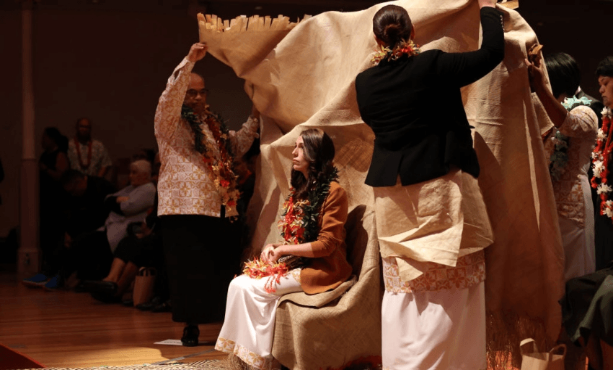
Fa’alelei comes from the words Fa’a (to make) and lelei (good). Fa’alelei can mean repairing a relationship or, in the museum context, an object. Fa’a...

tuaa
Tua’ā
Samoan
tu-a-‘a

Samoan customs and attitudes reveal devotion to tua’ā, with the deceased generally buried on family land and property. This allows the family to remai...

measina
Measina
Samoan
mea-sī-na

The ensemble of Samoan cultural treasures, art, codified movement, language, sounds, and customary practices—essentially all elements considered core ...

Ivi
Samoan
i-vih

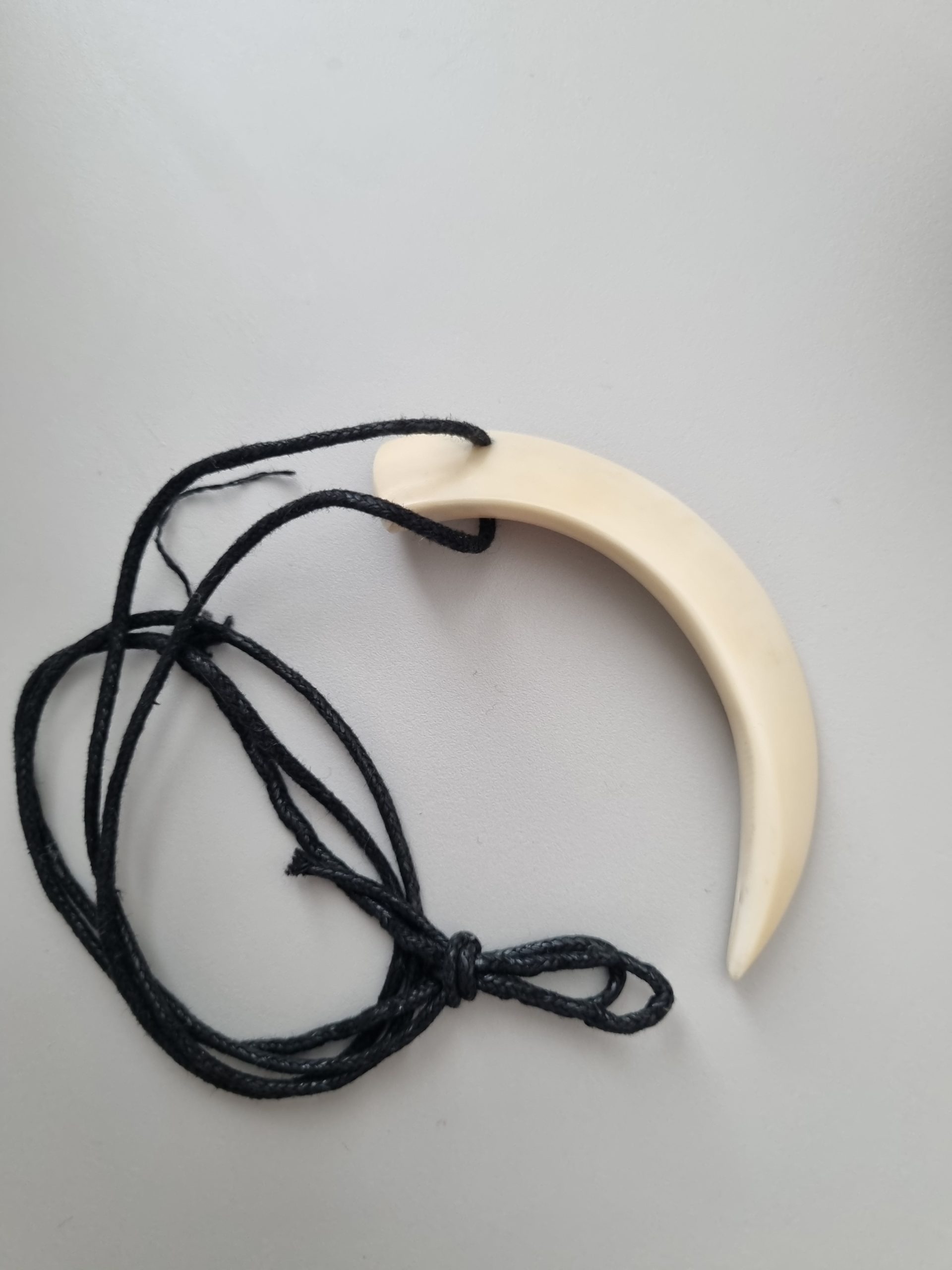
In Samoan culture, ancestral remains are sacred, and are kept and looked after by the families and descendants of the deceased. Attitudes toward thes...

error: