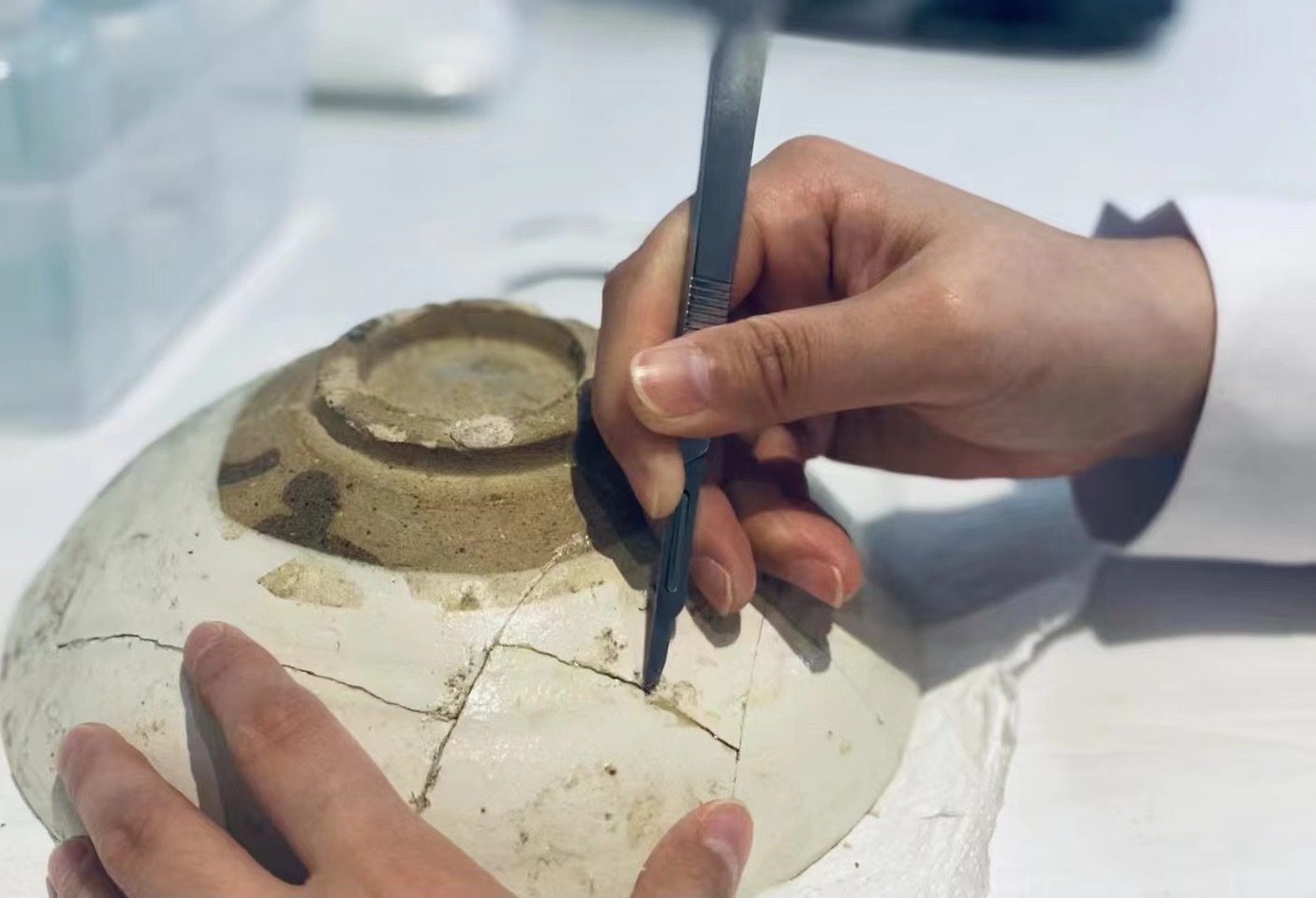
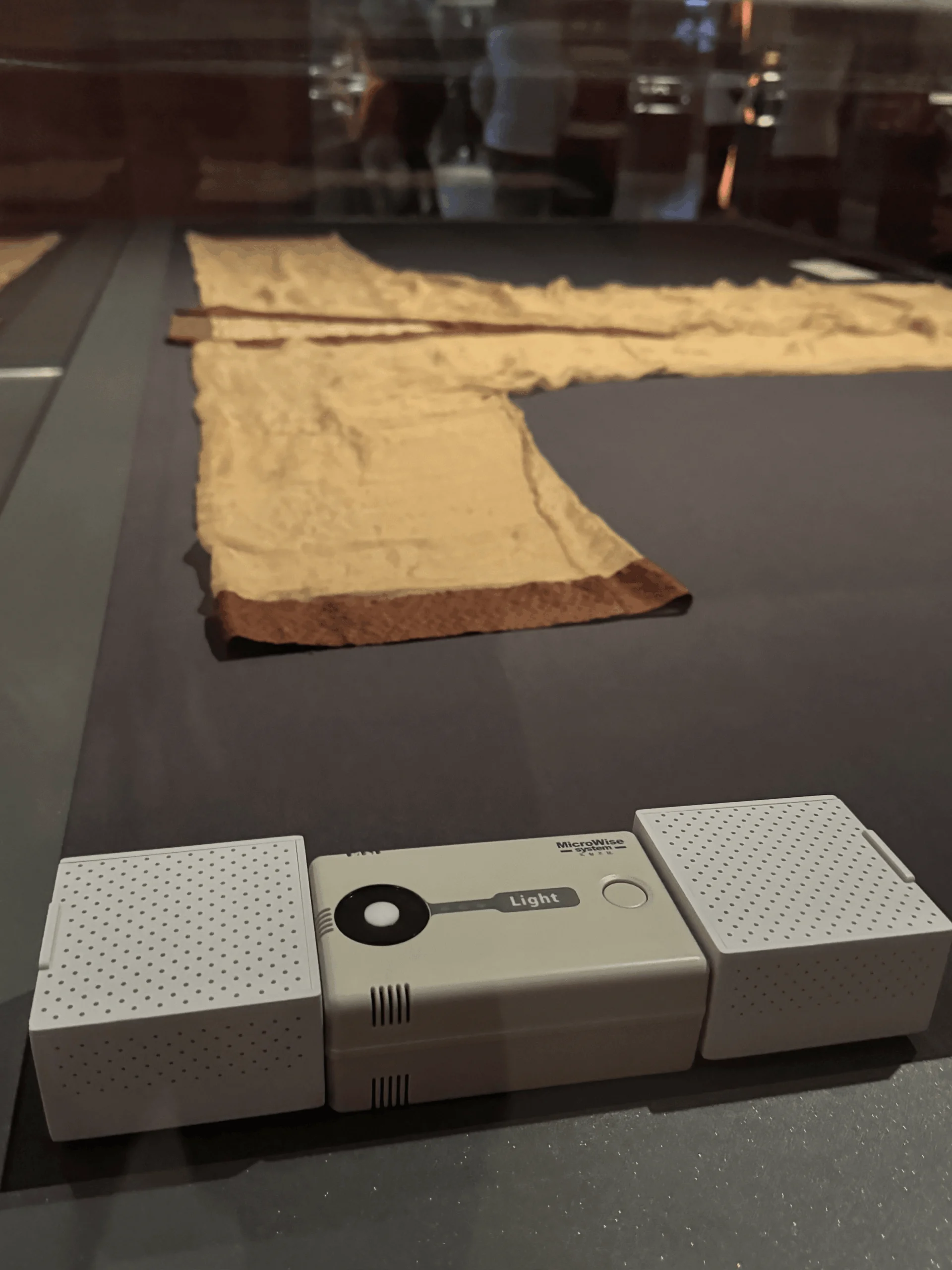
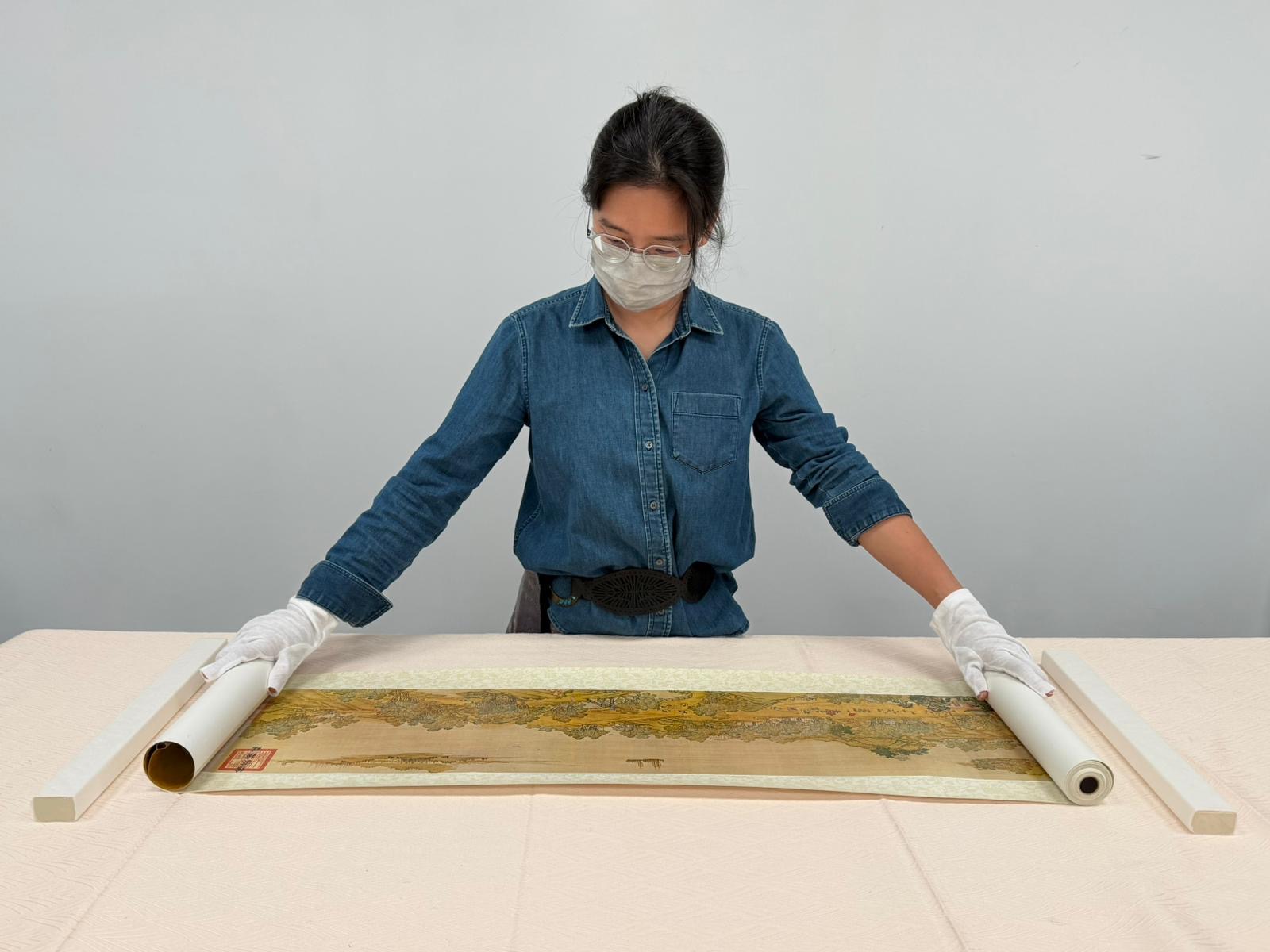
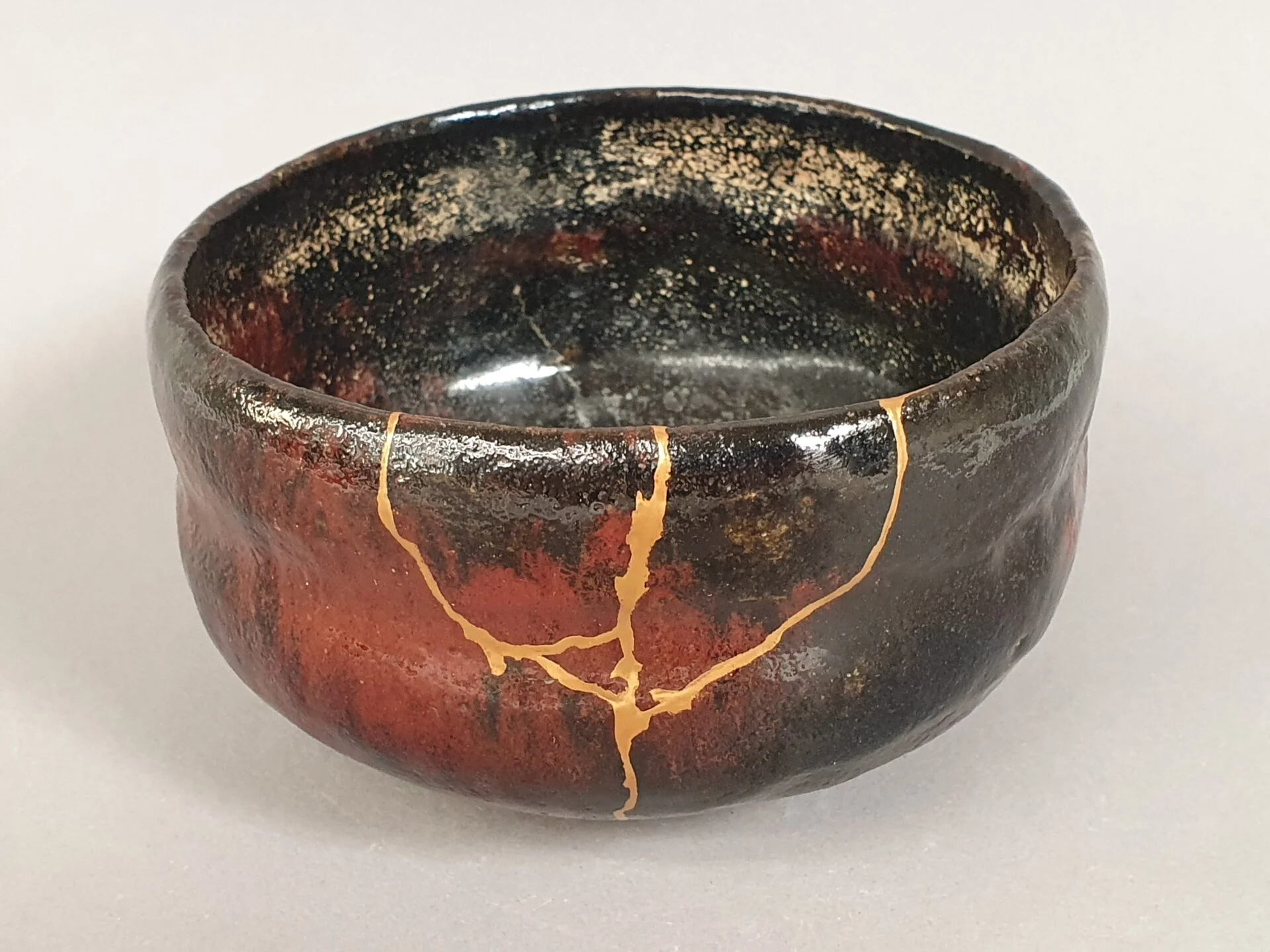
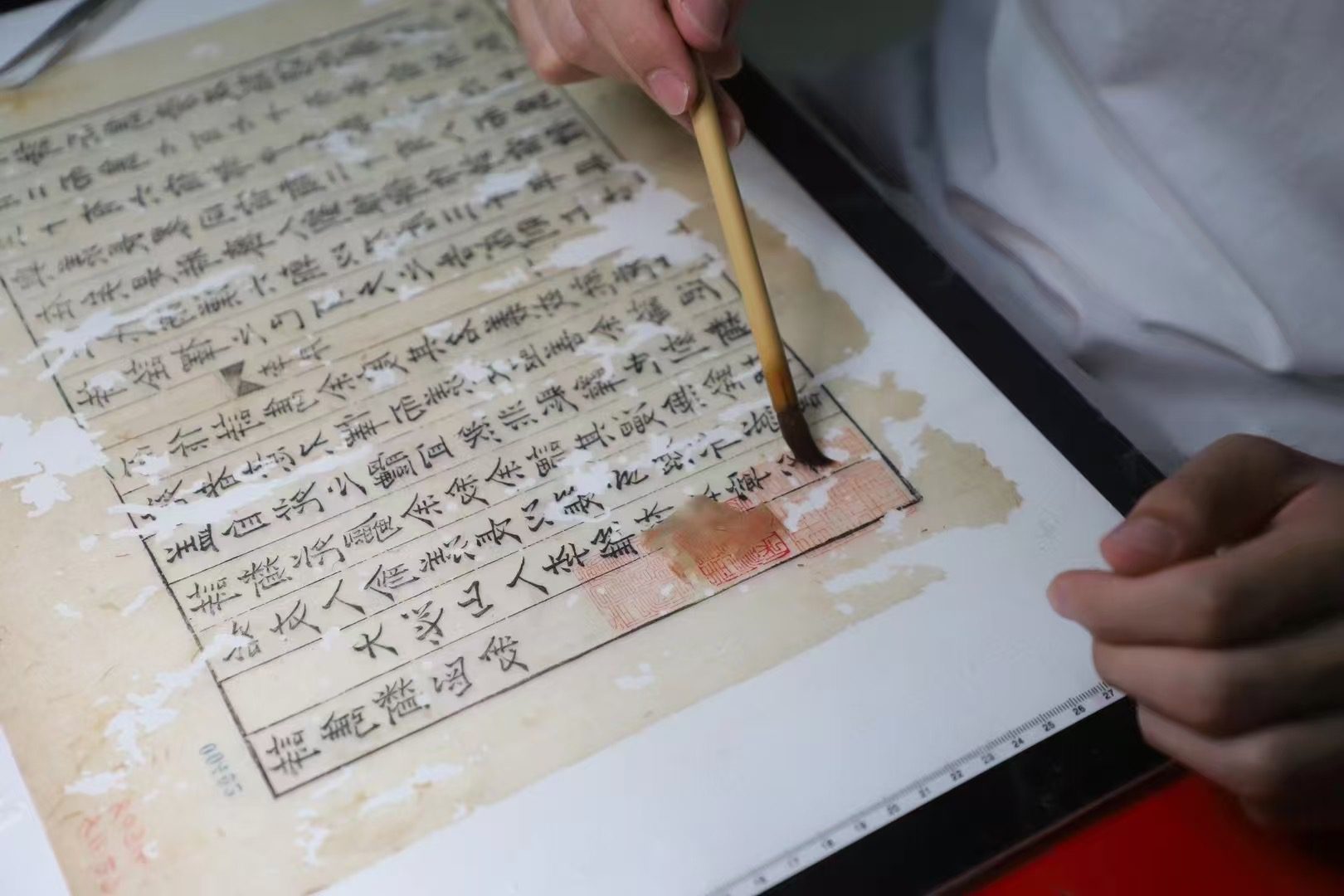
Dans la langue chinoise moderne, le terme « 装潢/ zhuāng huáng » (zhuānghuáng) revêt trois sens, dont l’un fait référence à l’utilisation de papier te...
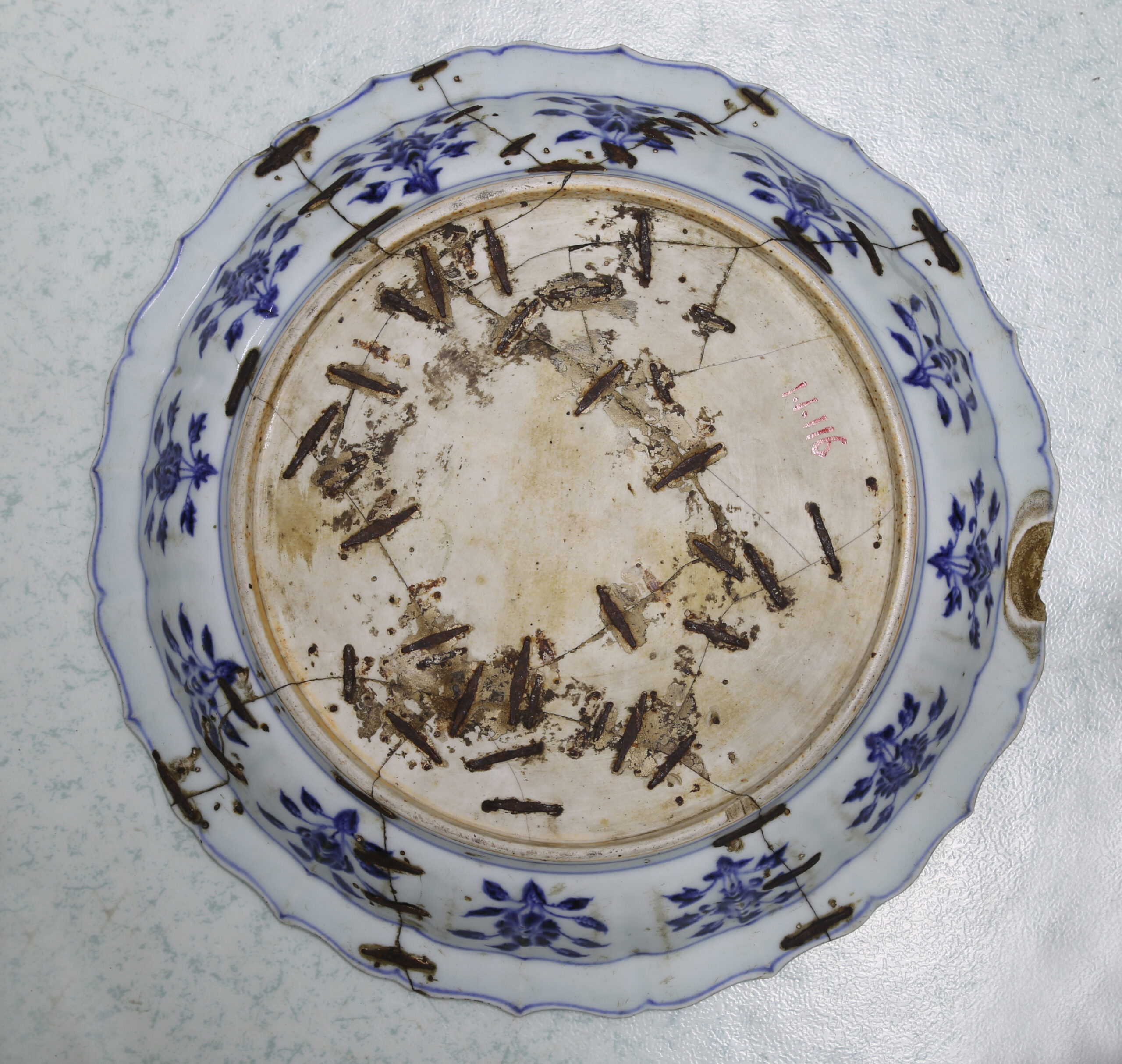
In contemporary Chinese, the term 锔瓷/jū cí refers to a traditional technique for repairing ceramics using metal staples. Prior to the twentieth cent...
According to modern Chinese language dictionaries, the term 锔子/jū zi refers to an instrument, usually fashioned from copper, iron, or another materi...
This website uses strictly necessary cookies to function. We would also like to use functional and analytical cookies to improve your experience. You can choose to accept or decline.
![Eighteenth-century watercolor drawing of a ceramics repairer in a Beijing street. Source: ‘Streets of Peking: [drawing]. Digitisation of RESERVE OE-55 (A)-4’, volume II © BnF Gallica.](https://glo-co.org/wp-content/uploads/2025/03/锔补_ju_bu.png)